

Which Burner Works Best for Boiling Milk Safely
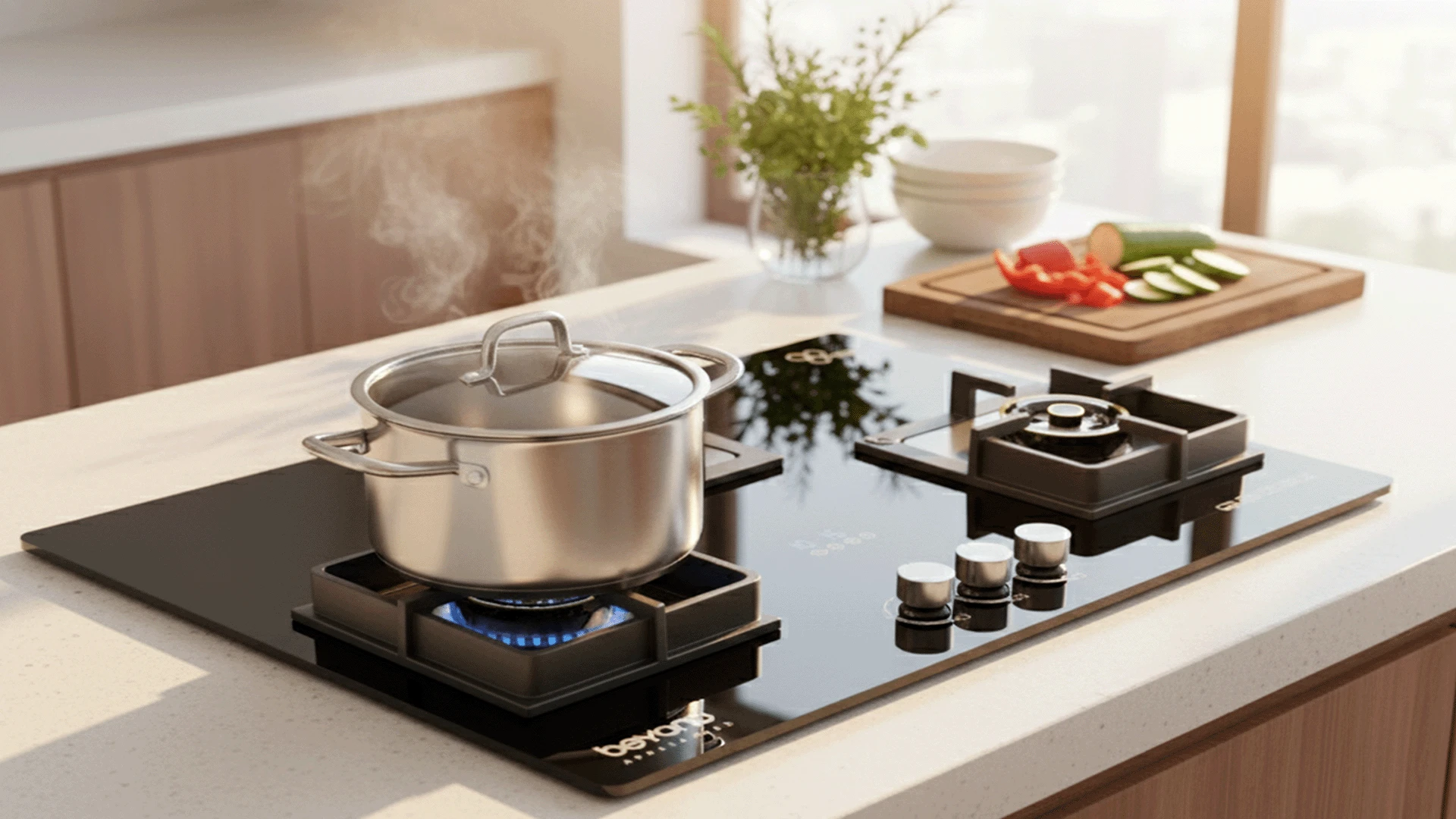
Choosing the right burner for boiling milk can make the difference between perfect results and a kitchen disaster. Milk is one of the most challenging liquids to heat properly due to its unique protein and fat composition. The wrong burner choice often leads to scorching, overflow, or uneven heating that destroys both taste and nutritional value. Understanding how different burner types interact with milk's delicate structure helps you achieve consistent, safe results every time. Whether you're using a gas stove, electric cooktop, or modern induction system, each requires specific techniques for optimal milk boiling.
Milk contains proteins, fats, and sugars that react differently to various heat sources. When you choose which burner to use for milk boiling, you're essentially controlling how these components respond to temperature changes. Proteins begin to denature around 60°C, while milk sugars start caramelizing at higher temperatures, creating that unwanted burnt taste. Different burners distribute heat in unique patterns. Gas burners create concentrated heat zones with flame tips, while electric surfaces provide more even distribution. This affects how milk molecules move within the pan, influencing everything from heating speed to scorching risk. The best burner for milk depends on your specific cooktop type and heating requirements.
Gas burners produce intense heat at flame contact points, creating hot spots that can cause milk proteins to stick and burn. Electric coil burners offer more consistent temperature zones but take longer to adjust heat levels. Induction systems provide the most precise control, allowing gradual temperature increases that preserve milk's delicate structure.
Quick temperature adjustments prevent milk from overheating. Gas burners respond instantly to flame changes, while electric systems have thermal lag. Understanding these response times helps you anticipate when to reduce heat before milk reaches the danger zone where scorching occurs.
Each burner type offers distinct advantages for milk heating. Gas burners provide immediate heat control with visible flame adjustment, making them excellent for experienced cooks who can quickly respond to milk's heating behavior. The flame creates natural convection currents that help prevent hot spots when properly managed. Electric coil burners maintain steady temperatures once heated, reducing the risk of sudden temperature spikes. However, their slower response time requires more anticipation when adjusting heat levels. Electric glass-top surfaces distribute heat more evenly than coils, creating gentler heating conditions ideal for safe milk boiling.
Instant flame adjustment allows immediate temperature control when milk begins showing signs of overheating. The visible flame provides clear feedback about heat intensity. Multiple flame ring sizes accommodate different pan sizes for optimal heat distribution.
Consistent heat output reduces temperature fluctuations that can cause milk proteins to coagulate unevenly. Flat surfaces ensure complete pan contact for uniform heating. Temperature stability helps maintain ideal heating conditions once established.
Precise temperature control allows gradual heating that preserves milk's nutritional integrity. Energy efficiency reduces overall cooking time. Instant heat adjustment combines gas-like responsiveness with electric-like consistency.
Proper milk boiling temperature management starts with understanding milk's heating phases. Fresh milk begins showing movement around 40°C, develops small bubbles at 60°C, and reaches full boiling at 100°C. However, the goal isn't always reaching full boiling point, especially for drinking milk where gentle heating preserves taste and nutrients. Different milk types require adjusted approaches. Whole milk with higher fat content heats more slowly but retains heat longer. Skim milk heats faster due to lower fat content but requires more careful monitoring to prevent scorching. Plant-based alternatives like almond or oat milk have different protein structures that affect heating behavior.
Whole milk performs best with gradual heating from low to medium heat, reaching 85-90°C for pasteurization without full boiling. Skim milk requires slightly lower maximum temperatures due to reduced fat protection. Plant-based milks often need gentler heating to prevent separation.
Small quantities (1 cup) typically need 3-5 minutes on medium heat. Larger volumes (1 liter) require 8-12 minutes with gradual temperature increases. Always start with low heat for the first 2-3 minutes regardless of quantity.
Scorching prevention starts with proper pan selection and heat management. Heavy-bottomed pans distribute heat more evenly, reducing hot spots that cause milk proteins to stick and burn. Prevent milk scorching by stirring gently in figure-eight patterns, which creates better circulation without introducing too much air. Milk overflow prevention requires recognizing early warning signs. Watch for increased bubble activity and surface movement that indicates approaching boiling point. The classic milk skin formation happens when proteins concentrate at the surface, often preceding overflow.
Use thick-bottomed stainless steel or heavy aluminum pans for even heat distribution. Start with low heat and gradually increase temperature. Stir occasionally but avoid over-mixing, which can break down milk proteins.
Choose pans with at least 2-3 inches of headspace above milk level. Watch for rapid bubble formation that signals imminent boiling. Keep heat at medium-low once bubbles appear consistently.
Efficient milk boiling combines proper technique with smart equipment choices. Efficient milk boiling starts with matching pan size to burner size for optimal heat transfer. Oversized pans on small burners create uneven heating, while small pans on large burners waste energy and create hot spots. Cookware material significantly impacts results. Stainless steel provides durability and even heating but requires careful temperature control. Non-stick surfaces prevent sticking but may not distribute heat as evenly. Heavy aluminum or copper-core pans offer excellent heat distribution for consistent results.
Pre-warm pans slightly before adding milk to reduce initial heating time. Use medium heat settings rather than high heat to prevent rapid temperature changes. Cover pans partially to retain heat while allowing steam escape.
Match burner size to pan bottom for maximum heat transfer efficiency. Use residual heat on electric burners by turning off heat slightly before reaching target temperature. Consider batch heating for multiple servings to reduce overall energy consumption.
Induction burners provide the fastest heating with precise temperature control, reducing scorching risk. Gas burners offer quick heating but require more attention to prevent overheating.
High heat increases scorching and overflow risks significantly. Medium heat provides better control while still achieving efficient heating. Start low and gradually increase temperature for best results.
Look for small bubbles forming around pan edges and gentle surface movement. Steam rising from the surface indicates approaching optimal temperature. Avoid waiting for vigorous boiling unless specifically required.
Simmering maintains temperatures around 85-90°C with gentle bubble formation. Boiling reaches 100°C with vigorous bubbling. Simmering preserves more nutrients and reduces scorching risk.
Milk proteins coagulate when exposed to high heat, creating sticky deposits. Uneven heat distribution and insufficient stirring contribute to sticking. Using proper pans and temperature control prevents this issue.
Bring milk to 85°C and maintain for 15-20 seconds for pasteurization. Full boiling isn't necessary for safety if milk is already pasteurized. Fresh raw milk requires bringing to full boil and maintaining for 1-2 minutes.
Selecting the right burner for milk boiling depends on your specific cooking setup and preferences. Induction systems offer the most precise control, while gas burners provide immediate responsiveness. Electric burners deliver consistent results with proper technique. Regardless of burner type, success comes from understanding milk's heating behavior, using appropriate cookware, and maintaining proper temperature control. Practice these techniques to achieve perfect results every time while preserving milk's nutritional value and taste.
