

Understanding Burner Cap Expansion: A Complete Guide
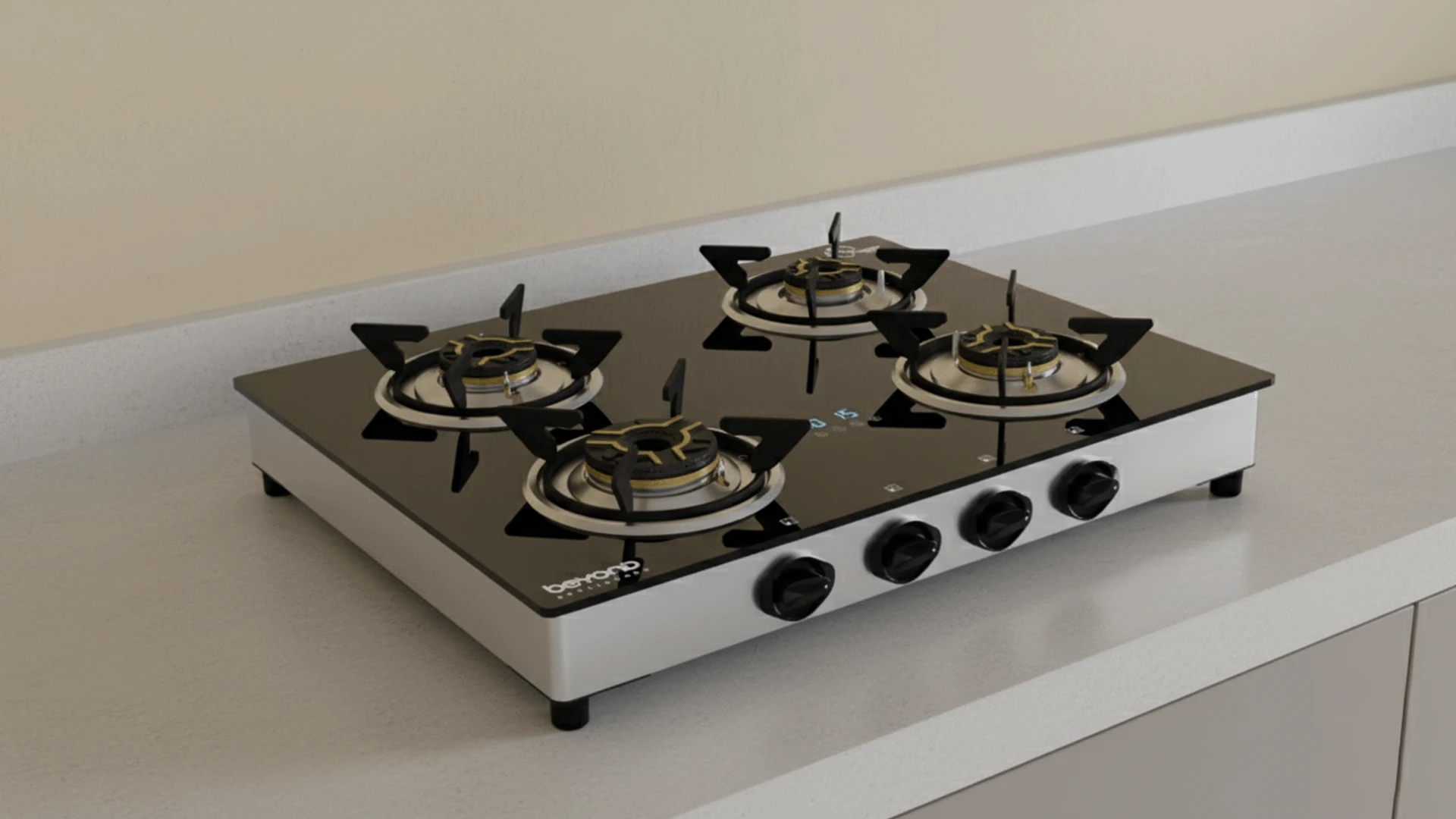
Gas stove burner caps are essential components that help distribute heat evenly across your cookware. However, many homeowners notice their burner caps becoming warped or expanded over time. This expansion can affect cooking performance and even pose safety risks. Understanding what causes this expansion and how to prevent it can save you money on repairs and ensure your cooking appliances work efficiently for years. Whether you're dealing with uneven flames or difficulty removing caps, this guide will help you identify, prevent, and address burner cap expansion issues.
Thermal expansion is the primary reason why burner caps warp and expand during regular use. When metal heats up, its molecules move faster and spread apart, causing the material to grow larger. This natural process becomes problematic when the expansion happens unevenly or repeatedly over time.
The center of a burner cap gets much hotter than the edges during cooking. This uneven heating creates internal stress as different parts of the cap expand at different rates. Over time, this stress causes permanent warping.
Sudden temperature changes put extra strain on burner cap materials. When you turn the gas to high heat immediately or place cold cookware on hot burners, the rapid expansion and contraction can cause cracks and warping.
Different metals expand at different rates when heated. Cast iron expands slowly but can crack under stress. Aluminum expands quickly and may warp more easily. The burner cap material you choose affects how well it handles thermal expansion.
Recognizing early signs of burner cap expansion helps prevent bigger problems. Visual inspection and performance monitoring can reveal issues before they become safety hazards.
Look for visible gaps between the cap and burner base. Warped burner caps often show raised edges or a domed center. You might also notice discoloration or small cracks around the edges.
Uneven flame patterns indicate expansion issues. If flames are higher on one side or create yellow tips instead of blue, your cap may be warped. Poor heat distribution and longer cooking times are also warning signs.
Difficulty removing or replacing caps suggests expansion problems. Caps that rock back and forth or don't sit flush against the burner base need attention. These gas stove burner problems can worsen quickly without proper care.
Understanding different materials helps you choose caps that resist expansion and last longer. Each material has unique properties that affect how it handles heat stress.
Cast iron heats slowly and evenly, reducing thermal stress. However, it can crack if subjected to rapid temperature changes. These caps are heavy and durable but require careful handling.
Aluminum conducts heat quickly but expands more than other materials. Modern alloys include additives that improve stability. These caps are lightweight and affordable but may need replacement more often.
Stainless steel offers excellent durability and moderate expansion rates. It resists corrosion and maintains its shape well under normal cooking conditions. Premium stainless steel caps often include reinforcement features.
Porcelain coatings provide smooth surfaces that clean easily. However, the coating can chip or crack if the underlying metal expands too much. These caps combine durability with attractive appearance.
Proper cooking techniques and regular maintenance prevent most expansion problems. Simple changes in how you use your stove can significantly extend burner cap life.
Start cooking on medium heat and adjust gradually. This gives the cap time to expand evenly without creating stress points. Avoid jumping from high to low settings quickly.
Food residue and grease can create hot spots that cause uneven expansion. Clean caps weekly with mild soap and water. Remove stubborn stains with baking soda paste.
Check caps monthly for signs of warping or damage. Look for loose fits, visible cracks, or discoloration. Early detection prevents minor issues from becoming major cooking appliance issues.
Knowing when to attempt repairs yourself and when to call professionals saves time and prevents accidents. Some issues require specialized tools and expertise.
Start with basic cleaning and inspection. Check that caps sit properly on their bases. Ensure gas ports are clear of debris. These simple steps solve many common problems.
Contact technicians for gas leaks, damaged burner bases, or electrical issues. If multiple caps are warping quickly, the problem might be with your stove's design or installation.
Always turn off gas and let burners cool completely before working on them. Never force warped caps into place. Use proper tools and follow manufacturer guidelines for any repairs.
Replacing damaged caps restores cooking performance and safety. Proper selection and installation ensure your new caps last as long as possible.
Measure the diameter of your burner base and the cap's center hole. Note any special features like notches or tabs. Take photos to help identify compatible parts.
Remove old caps when the stove is cool. Clean the burner base thoroughly. Place new caps carefully, ensuring proper alignment. Test fit before using the burner.
Light each burner to check flame patterns. Flames should be blue and evenly distributed. Adjust caps if flames are uneven or yellow.
Efficient cooking techniques reduce thermal stress and extend cap life. These efficient cooking tips also save energy and improve cooking results.
Use medium heat for most cooking tasks. High heat is only necessary for boiling water or searing. Lower temperatures cook food more evenly and reduce cap stress.
Choose pans that match burner size. Oversized pots can cause uneven heating. Heavy cookware distributes heat better and reduces hot spots.
Preheat pans gradually on medium heat. Add oil or food only after the pan is properly heated. This prevents thermal shock and extends both pan and cap life.
Repeated warping often indicates poor-quality materials or manufacturing defects. Consider upgrading to higher-quality caps made from better materials. Environmental factors like humidity can also contribute to expansion issues.
Quality burner caps should last 3-5 years with regular use. Replace them sooner if you notice warping, cracks, or poor flame distribution. Heavy cooking may require more frequent replacement.
Complete prevention isn't possible since thermal expansion is natural. However, proper cooking techniques and quality materials can minimize expansion and extend cap life significantly.
Basic aluminum caps cost INR 200-500 each. Premium stainless steel or cast iron caps range from INR 800-2000. Professional installation adds INR 300-500 to the total cost.
Higher-quality caps often last longer and perform better. They resist warping and provide more even heat distribution. The initial investment pays off through reduced replacement frequency and better cooking results.
Stop using caps with visible cracks, severe warping, or loose fits. If flames are consistently uneven or yellow, replace the caps immediately. Gas leaks around damaged caps create serious safety risks.
Burner cap expansion is a natural result of thermal stress during cooking. Understanding what causes burner caps to expand helps you prevent premature damage through proper cooking techniques and regular maintenance. Choose quality materials, use gradual temperature changes, and inspect caps regularly to maximize their lifespan. When replacement becomes necessary, select appropriate materials and ensure proper installation for optimal performance and safety.
