

Ultimate Tutorial: Deep Clean Your Kitchen Fast
A clean kitchen is the heart of every home, but deep cleaning doesn't have to consume your entire weekend. With the right system and proven tips for a cleaner kitchen, you can transform even the messiest cooking space into a spotless sanctuary in just a few hours. This comprehensive guide breaks down professional-grade cleaning techniques into manageable steps that deliver restaurant-quality results. Whether you're preparing for guests or simply want to maintain a healthier cooking environment, these time-tested methods will help you achieve a deep clean that lasts longer and requires less effort to maintain.
Professional cleaners follow a systematic approach that maximizes efficiency while ensuring no surface gets overlooked. This proven method combines deep cleaning kitchen techniques with smart time management to deliver exceptional results in minimal time. The key to successful kitchen deep cleaning lies in working systematically from top to bottom, inside to outside. This prevents recontamination of already-cleaned surfaces and ensures you don't waste time cleaning the same area twice.
Start by removing everything from countertops, stovetops, and visible surfaces. This includes small appliances, utensil holders, decorative items, and any clutter that has accumulated. Store items temporarily in boxes or on your dining table. Clear surfaces allow you to clean thoroughly and spot areas that need extra attention.
Begin with ceiling fans, light fixtures, and upper cabinet tops where dust and grease accumulate. Work your way down to countertops, then finish with floors. This gravity-assisted approach ensures debris falls onto surfaces you haven't cleaned yet, preventing the need to re-clean areas.
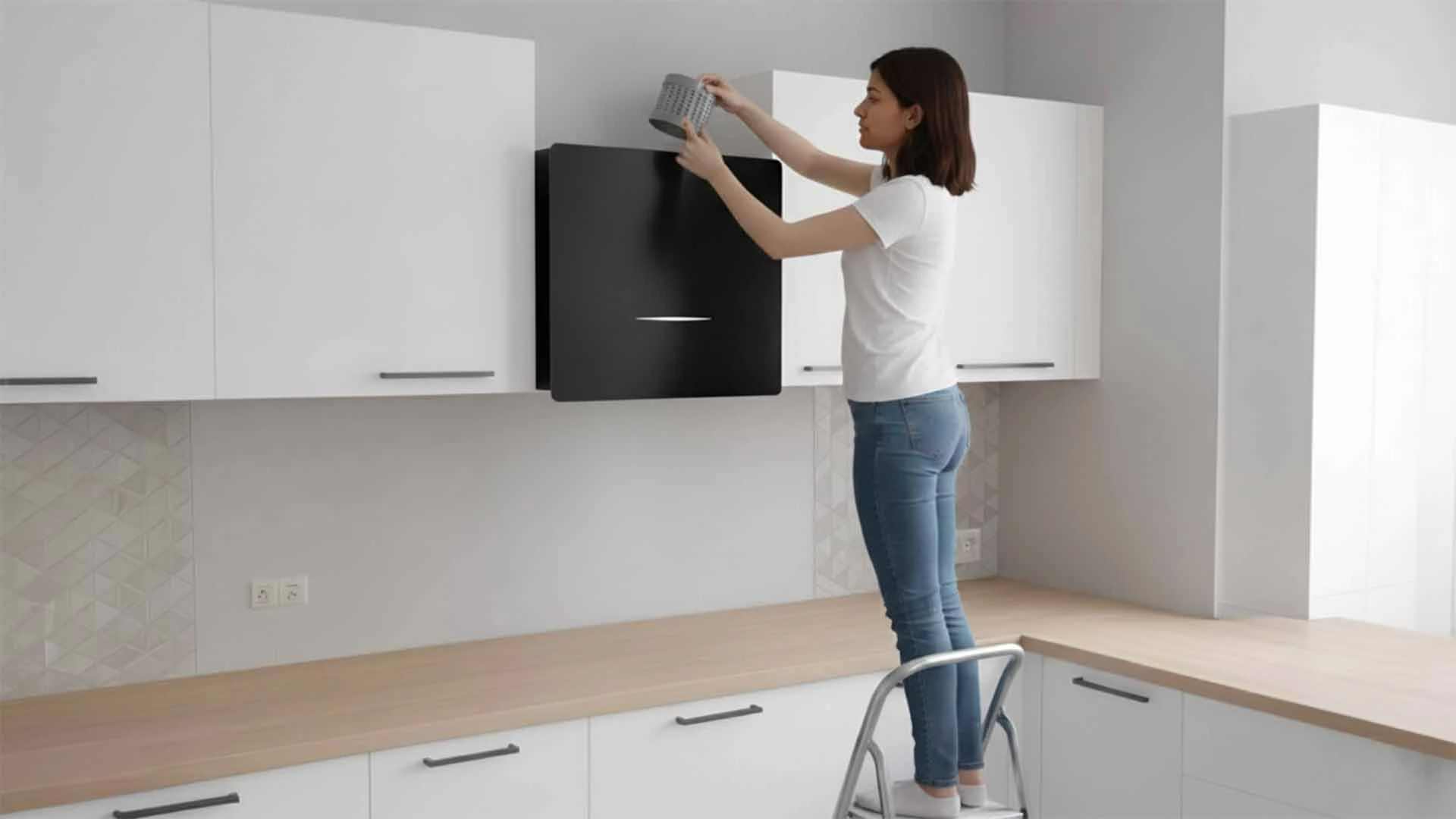
Focus on your major appliances systematically. Clean your chimney filters first, as proper ventilation is crucial for maintaining air quality. Remove grease buildup from range hoods and ensure optimal performance. For gas stoves and cooktops, remove burner grates and drip pans for thorough cleaning.
Wipe down cabinet exteriors with appropriate cleaners for your finish type. Clean handles, knobs, and hinges which harbor bacteria from frequent touching. Don't forget cabinet tops and the spaces between cabinets and walls where grease and dust collect.
Use surface-appropriate cleaners for your specific countertop material. Pay special attention to areas around the sink and stove where bacteria and grease concentrate. Clean grout lines in tile backsplashes with a dedicated grout cleaner or homemade paste.
Sweep thoroughly, then mop with appropriate cleaners for your flooring type. For tile floors, clean grout lines and consider sealing if necessary. Pay attention to corners and areas under appliances where debris accumulates.
Return items to their designated places, implementing better organization systems if needed. Set up cleaning supplies in easily accessible locations to encourage regular maintenance.
Smart kitchen cleaning hacks can dramatically reduce the time and effort required for both daily maintenance and deep cleaning sessions. These proven techniques help busy homeowners maintain spotless kitchens without sacrificing hours of their day. The most effective approach combines prevention with efficient cleaning methods. By implementing strategic shortcuts and time-saving techniques, you can maintain a consistently clean kitchen with minimal daily effort.
Spend just five minutes, five times throughout your day addressing kitchen messes as they occur. Wipe spills immediately, load dishes directly into the dishwasher, and put items back in their designated places. This prevents buildup that requires intensive cleaning later.
Fill your sink with hot soapy water before you start cooking. Wash utensils and prep bowls immediately after use. Keep a designated "trash bowl" on your counter for scraps and packaging. These simple habits prevent overwhelming cleanup after meals.
While waiting for water to boil or food to cook, tackle quick cleaning tasks. Wipe counters, load the dishwasher, or organize a single drawer. These micro-cleaning sessions add up to significant time savings.
Use microfiber cloths that clean and disinfect simultaneously. Keep cleaning supplies in multiple locations to avoid walking back and forth. Invest in quality tools that work faster and last longer, reducing replacement time and effort.
Natural cleaning solutions offer powerful cleaning action without exposing your family to harsh chemicals. These natural kitchen cleaners are not only safer but often more effective than commercial alternatives, especially for food preparation areas. Homemade cleaners cost significantly less than store-bought products and can be customized for specific cleaning challenges. Most natural ingredients are already in your pantry, making these solutions both convenient and economical.
Create an all-purpose cleaner by mixing equal parts white vinegar and water with a few drops of dish soap. For tough grease, combine baking soda with a small amount of water to form a paste. These simple mixtures tackle most kitchen cleaning challenges effectively.
White vinegar dissolves mineral deposits, cuts through grease, and eliminates odors naturally. Mix with water for general cleaning, use undiluted for tough stains, or combine with baking soda for extra scrubbing power. The acidic properties make it perfect for removing soap scum and water spots.
Baking soda works as a gentle abrasive for scrubbing without scratching surfaces. It neutralizes odors naturally and can be combined with other ingredients for enhanced cleaning power. Use it to clean ovens, deodorize refrigerators, and remove stubborn stains from countertops.
Add tea tree oil for antimicrobial properties, lemon oil for grease-cutting power, or lavender for a calming scent. Essential oils enhance cleaning effectiveness while leaving your kitchen smelling naturally fresh without artificial fragrances.
Different counter materials require specific cleaning approaches to maintain their appearance and prevent damage. Understanding cleaning kitchen counters properly extends their lifespan and keeps your kitchen looking its best. Proper counter care involves both daily maintenance and periodic deep cleaning. The wrong cleaning products or techniques can cause permanent damage, making it essential to match your cleaning method to your specific surface material.
Granite counters need pH-neutral cleaners to avoid etching the surface. Quartz surfaces can handle most cleaners but avoid abrasive scrubbers. Laminate counters clean easily with mild soap and water, while wood surfaces require special wood cleaners and regular conditioning.
Address spills immediately to prevent permanent staining. For oil-based stains, use dish soap and warm water. Wine and fruit juice stains respond well to baking soda paste. Coffee and tea stains often lift with white vinegar solution.
Daily cleaning involves wiping surfaces with appropriate cleaners and drying thoroughly. Weekly deep cleaning includes removing everything from counters, cleaning underneath small appliances, and treating any stains or buildup that has developed.
Natural stone counters benefit from periodic sealing to prevent stains and damage. Apply sealers according to manufacturer recommendations, typically every 1-2 years. Test sealers in an inconspicuous area first to ensure compatibility.
Smart organization makes cleaning faster and more effective by reducing clutter and creating logical storage systems. These kitchen organization tips support cleanliness while improving functionality and workflow in your cooking space. Well-organized kitchens stay cleaner longer because everything has a designated place. When items are stored logically, family members are more likely to put things away properly, reducing daily cleanup requirements.
Store frequently used items in easily accessible locations to encourage proper storage habits. Use drawer dividers and cabinet organizers to create designated spaces for everything. Keep cleaning supplies in multiple convenient locations throughout the kitchen.
Implement a "one in, one out" policy for kitchen gadgets and tools. Regularly assess items you haven't used in six months and consider donating them. Maintain clear countertops by storing only daily-use items in visible areas.
Keep basic cleaning supplies under the sink for quick access. Store microfiber cloths in multiple locations for immediate spill cleanup. Maintain a small cleaning caddy that can move with you as you clean different areas.
Design your kitchen layout to support easy cleaning habits. Keep trash and recycling bins easily accessible during food prep. Position dish towels and cleaning cloths within arm's reach of work areas.
Perform a thorough deep clean monthly, with weekly maintenance cleaning of appliances and surfaces. Daily cleaning habits prevent the need for intensive deep cleaning sessions.
White vinegar, baking soda, and dish soap form the foundation of effective natural cleaning. These ingredients can be combined in various ways to tackle different cleaning challenges safely.
Follow a systematic top-to-bottom approach and use the 5x5 cleaning rule for daily maintenance. Prepare all cleaning supplies before starting and work in logical sections to maintain efficiency.
Never use abrasive cleaners on delicate surfaces, don't mix different cleaning chemicals, and avoid letting spills sit without immediate attention. Always read manufacturer care instructions for appliances and surfaces.
Clean chimney filters monthly or as recommended by the manufacturer. Remove grease buildup regularly to maintain proper ventilation and prevent fire hazards. Professional servicing ensures long-term performance and safety.
Maintaining a spotless kitchen becomes manageable when you implement systematic cleaning approaches and smart organization strategies. The combination of daily maintenance habits, weekly deep cleaning routines, and proper tool selection creates a sustainable system that keeps your kitchen consistently clean with minimal effort. Remember that prevention through immediate spill cleanup and proper storage significantly reduces deep cleaning requirements. By following these proven techniques and adapting them to your specific kitchen layout and lifestyle, you'll enjoy a cleaner, healthier cooking environment that enhances both meal preparation and family gatherings.
