

Ultimate Guide: Choosing Kitchen Chimney Design
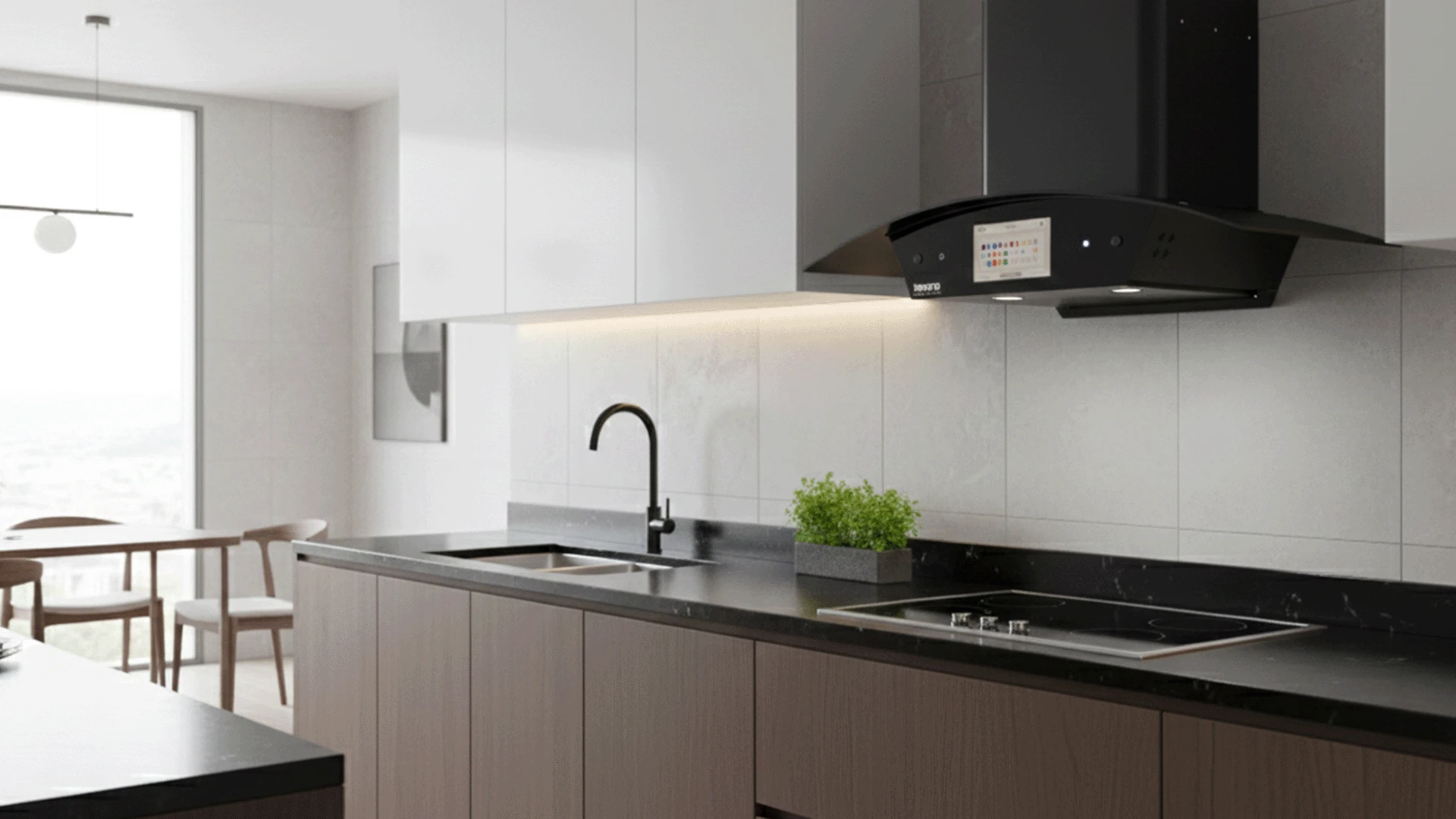
Selecting the right chimney design for kitchen spaces requires careful consideration of your cooking habits, kitchen layout, and aesthetic preferences. A well-chosen kitchen chimney design not only enhances your cooking experience but also protects your home from smoke, grease, and odors. With various types available in the market, from traditional wall-mounted units to sleek built-in designs, understanding the fundamentals helps you make an informed decision. Modern Indian kitchens demand efficient ventilation solutions that can handle high-heat cooking while complementing contemporary design trends. This comprehensive guide walks you through everything you need to know about selecting the perfect chimney for kitchen installations.
A kitchen exhaust system works by creating suction that pulls smoke, steam, and cooking odors away from your cooking area. The motor-driven fan inside the chimney draws air through filters, which trap grease and particles before expelling clean air outside or recirculating it back into the kitchen. Proper efficient kitchen ventilation offers multiple benefits beyond just removing smoke. It prevents grease buildup on walls and cabinets, reduces humidity levels that can cause mold growth, and eliminates cooking odors that might otherwise linger throughout your home. For Indian cooking styles that involve high-heat preparations and aromatic spices, a quality chimney becomes essential rather than optional. Many homeowners mistakenly believe that opening windows provides adequate ventilation. However, natural airflow cannot match the targeted suction power of a dedicated kitchen exhaust system. Cross-ventilation might help with general air circulation, but it cannot effectively capture grease particles and smoke at the source.
The market offers several types of kitchen chimney designs, each suited to different kitchen layouts and aesthetic preferences. Understanding these options helps you choose the most appropriate solution for your space.
Wall-mounted units represent the most common modern kitchen chimney installation. These attach directly to the wall above your cooking range and come in straight-line angular designs or curved glass styles. Angular designs offer a contemporary look with clean lines, while curved glass models provide a softer aesthetic that complements traditional kitchen designs.
Island chimneys suspend from the ceiling above cooking islands or peninsulas. These units provide 360-degree suction capability, making them ideal for open kitchen concepts where cooking areas sit away from walls. Their dramatic presence often serves as a focal point in modern kitchen designs.
Built-in or integrated chimneys conceal within kitchen cabinets, offering a seamless appearance for minimalist designs. These units require careful planning during kitchen construction but provide the cleanest aesthetic integration. They work particularly well in contemporary kitchens where appliances blend invisibly with cabinetry.
Corner-mounted designs maximize space efficiency in compact kitchens. These triangular units fit snugly into corner installations, providing adequate ventilation while preserving valuable wall space for storage or other appliances.
Selecting appropriate chimney dimensions involves more than just matching the width to your cooktop. Proper sizing ensures optimal performance and energy efficiency. The industry standard suggests chimney width should exceed your cooktop width by at least 6 inches on each side. For a 24-inch cooktop, choose a minimum 36-inch wide chimney. This overlap ensures effective capture of smoke and steam that naturally spreads during cooking.
Suction capacity, measured in cubic feet per minute (CFM), determines how much air the chimney can process. Calculate your requirements by multiplying your kitchen area by 10. A 100 square foot kitchen needs approximately 1000 CFM capacity. However, Indian cooking often requires higher capacity due to oil-based preparations and spice usage.
Compact spaces benefit from small kitchen chimney designs that maximize functionality without overwhelming the area. Slimline models, typically 24-30 inches wide, provide adequate ventilation for smaller cooktops while maintaining proportional aesthetics. These units often feature space-saving designs with minimal projection from the wall.
When choosing chimney design for kitchen installations, several technical features significantly impact long-term satisfaction and performance. Understanding these elements helps you prioritize features based on your specific cooking needs. Suction power represents the most critical performance factor. Look for models with variable speed controls that allow adjustment based on cooking intensity. High-quality motors operate quietly while providing strong suction. Noise levels should remain below 58 decibels for comfortable kitchen environments.
Baffle filters use curved metal plates to separate grease from air through directional changes. These stainless steel filters handle high-volume cooking better than traditional mesh filters and require less frequent cleaning. Auto-clean technology uses heating elements to break down grease deposits, reducing maintenance requirements significantly.
Quality construction materials ensure longevity under demanding cooking conditions. Stainless steel grades 304 or 316 provide excellent corrosion resistance and heat tolerance. These materials maintain their appearance and structural integrity even with daily high-heat cooking exposure.
Indian cooking styles present unique challenges that influence kitchen chimney design selection. High-heat preparations, oil-based cooking methods, and aromatic spice usage require robust ventilation solutions. Traditional Indian cooking involves frequent deep-frying, tempering spices in hot oil, and high-heat searing techniques. These methods generate substantial smoke and grease particles that standard ventilation cannot handle effectively. Choose chimneys with higher CFM ratings and efficient grease management systems.
Modern Indian homes often blend traditional elements with contemporary design. Select chimney finishes and styles that complement your kitchen's overall aesthetic. Stainless steel finishes work well with modern appliances, while black glass surfaces provide sophisticated elegance.
Humid climate conditions require chimneys with moisture-resistant components. Look for models with protective coatings and sealed electrical components that prevent corrosion from kitchen humidity and monsoon conditions.
Proper installation ensures optimal performance and safety. Chimney installation cost varies based on complexity, electrical requirements, and structural modifications needed. Pre-installation planning involves assessing electrical capacity, determining ducting routes, and ensuring adequate structural support. Most chimneys require dedicated electrical circuits with appropriate amperage ratings. Ducting installations need clear paths to exterior walls or roof vents.
Basic wall-mounted chimneys start around INR 8,000-15,000, while premium models with advanced features range from INR 25,000-50,000. Installation charges typically add INR 2,000-5,000 depending on complexity. Additional costs include ducting materials, electrical work, and structural modifications if required.
While basic wall-mounting might seem straightforward, professional installation ensures proper electrical connections, secure mounting, and optimal performance. Improper installation can void warranties and create safety hazards. Professional installers also handle permit requirements and building code compliance.
For 3-burner gas stoves, choose chimneys between 60-75 cm width with suction capacity of 1000-1200 CFM. This provides adequate coverage and ventilation for moderate to heavy cooking.
Built-in chimneys with auto-clean technology require minimal maintenance. Baffle filter systems also reduce cleaning frequency compared to traditional cassette filters.
Ductless chimneys recirculate filtered air back into the kitchen. While easier to install, they are less effective than ducted systems for removing heat and humidity.
Quality chimneys typically last 8-12 years with proper maintenance. Regular cleaning and timely filter replacement extend operational life significantly.
Most residential chimneys consume 150-300 watts, similar to a ceiling fan. Energy-efficient models with variable speed controls help minimize electricity usage.
Selecting the right kitchen chimney design involves balancing functionality, aesthetics, and budget considerations. Prioritize suction capacity appropriate for your cooking style, choose durable materials that withstand daily use, and ensure proper installation for optimal performance. Consider your kitchen layout, cooking frequency, and maintenance preferences when evaluating different types. Quality chimneys represent long-term investments that enhance cooking experiences while protecting your home from smoke and grease damage. Take time to research features, compare specifications, and consult professionals for installation guidance to ensure you select the best chimney for cooking needs.
