

Ultimate Chimney vs Exhaust Fan Kitchen Guide
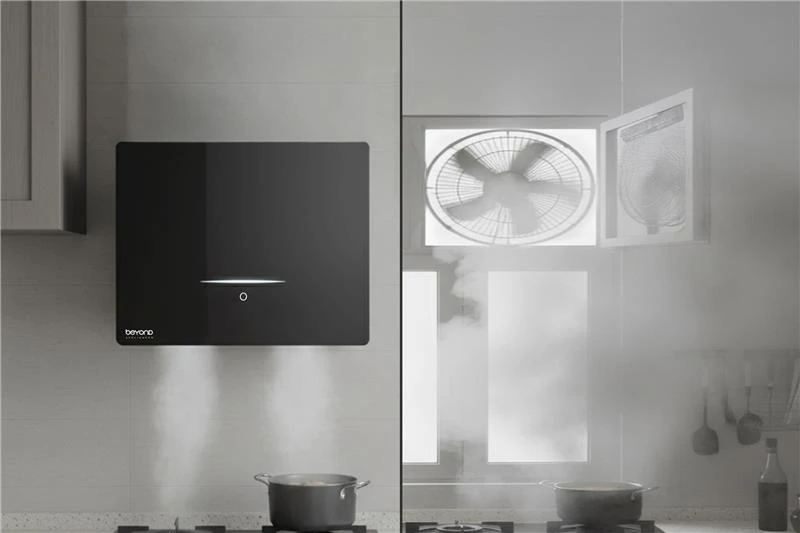
Modern kitchens demand effective ventilation systems to maintain healthy indoor air quality and comfortable cooking environments. Whether you're renovating your kitchen or building a new home, choosing between a chimney vs exhaust fan represents one of the most critical decisions for your kitchen ventilation setup. Both options serve the primary purpose of cooking fume extraction, but they differ significantly in design, efficiency, cost, and installation requirements. This comprehensive guide examines every aspect of kitchen exhaust options, from basic functionality to advanced air purification kitchen technologies, helping you determine the best kitchen ventilation solution for your specific needs.
Kitchen ventilation serves as the foundation of healthy cooking environments, removing smoke, grease, odors, and excess heat generated during food preparation. Effective ventilation systems protect your family's health while preserving your kitchen's cleanliness and structural integrity. The science behind cooking fume extraction involves capturing airborne particles at their source and either filtering them through advanced systems or expelling them outside your home.
Air purification kitchen systems operate on fundamental airflow principles, creating negative pressure zones that draw contaminated air away from cooking surfaces. Most systems combine mechanical fans with filtration media to trap grease particles and neutralize odors before recirculating or exhausting the air.
Poor ventilation during cooking can increase indoor pollutant levels by 300-400%, affecting respiratory health and creating lingering odors throughout your home. Quality indoor air quality cooking solutions remove up to 95% of cooking-related contaminants when properly installed and maintained.
Kitchen chimneys represent sophisticated range hood alternatives that combine powerful suction capabilities with multi-stage filtration systems. These wall-mounted or island-style units typically feature stainless steel construction, LED lighting, and variable speed controls. Modern chimney designs integrate seamlessly with contemporary kitchen aesthetics while delivering superior cooking fume extraction performance compared to traditional exhaust fans.
Wall-mounted chimneys: Installed against kitchen walls above cooking ranges
Island chimneys: Suspended from ceilings over kitchen islands
Built-in chimneys: Integrated into kitchen cabinetry for seamless appearance
Corner chimneys: Designed for corner cooking installations
Modern chimneys employ multiple filtration stages including baffle filters for grease separation, carbon filters for odor elimination, and HEPA filters for fine particle removal. Advanced models feature auto-clean functions that use steam or heat to maintain filter efficiency.
Exhaust fans provide basic kitchen ventilation through simple mechanical air extraction, making them popular kitchen exhaust options for budget-conscious homeowners. These ceiling or wall-mounted units create airflow by drawing contaminated air directly outside through dedicated ductwork. While exhaust fans lack the sophisticated filtration of chimney systems, they offer reliable performance for light to moderate cooking activities.
Ceiling-mounted fans: Installed in kitchen ceilings with roof venting
Wall-mounted fans: Mounted on exterior walls for direct outside exhaust
Window fans: Temporary solutions installed in kitchen windows
Inline fans: Installed within ductwork for remote operation
Exhaust fan effectiveness depends on CFM (Cubic Feet per Minute) ratings, which should match your kitchen size and cooking intensity. Standard recommendations suggest 100 CFM per linear foot of cooking surface for adequate indoor air quality cooking maintenance.
Performance differences between chimneys and exhaust fans extend beyond simple air movement to encompass filtration efficiency, noise levels, and energy consumption. Kitchen ventilation comparison studies consistently show chimneys outperforming exhaust fans in grease capture rates, odor elimination, and overall air purification kitchen effectiveness. However, exhaust fans excel in energy efficiency and installation simplicity.
Chimneys typically offer 200-1500 CFM capacity with variable speed controls, while exhaust fans usually provide 50-400 CFM fixed-speed operation. Higher suction power translates to better cooking fume extraction for heavy cooking activities like deep frying or grilling.
Chimney systems remove up to 95% of grease particles and 80% of cooking odors through multi-stage filtration, while basic exhaust fans only remove airborne contaminants through dilution and exhaust without filtration benefits.
Investment costs for kitchen exhaust options vary significantly based on system complexity, installation requirements, and ongoing maintenance needs. Kitchen chimneys typically require INR 15,000-80,000 initial investment, while exhaust fans cost INR 2,000-15,000. However, total ownership costs include installation, energy consumption, and maintenance expenses over the system's lifespan.
Chimney systems: INR 15,000-80,000 plus INR 5,000-15,000 installation
Exhaust fans: INR 2,000-15,000 plus INR 1,500-5,000 installation
Ductwork modifications: Additional INR 3,000-10,000 depending on complexity
Monthly electricity costs for chimneys range from INR 150-400, while exhaust fans consume INR 50-150. Filter replacements add INR 1,000-3,000 annually for chimneys, while exhaust fans require minimal maintenance beyond periodic cleaning.
Downdraft ventilation represents an innovative approach to cooking fume extraction that pulls contaminated air downward through specialized vents built into cooking surfaces or countertops. These systems offer unique advantages for kitchen islands and open-concept designs where traditional overhead ventilation proves impractical or aesthetically undesirable.
Downdraft units integrate directly into cooktops or emerge from countertops when activated, creating powerful downward airflow that captures cooking fumes at their source. These systems require specialized ductwork running beneath floors to exterior exhaust points.
While downdraft systems provide unobstructed sightlines and work well for low-heat cooking, they struggle with tall pots and high-heat applications where rising thermal currents overpower downward suction forces.
Selecting the best kitchen ventilation system requires careful evaluation of cooking habits, kitchen layout, budget constraints, and aesthetic preferences. Heavy cooking with frequent frying, grilling, or spice-heavy cuisines benefits from powerful chimney systems with advanced filtration. Light cooking and budget-conscious households may find exhaust fans perfectly adequate for their indoor air quality cooking needs.
Cooking frequency and intensity: Daily heavy cooking vs. occasional light meals
Kitchen size and layout: Open concept vs. enclosed kitchen designs
Budget allocation: Initial cost vs. long-term operating expenses
Aesthetic preferences: Visible equipment vs. concealed installations
HVAC professionals can assess your specific kitchen ventilation requirements, recommend appropriate system sizing, and ensure proper installation for optimal performance. Professional guidance helps avoid common mistakes that reduce system efficiency and increase operating costs.
Kitchen chimneys have several drawbacks including high initial costs (INR 15,000-80,000), increased electricity consumption, regular maintenance requirements, and noise during operation. They also require dedicated wall space and may not suit all kitchen layouts, particularly those with low ceilings or limited mounting options.
Primary alternatives include exhaust fans, downdraft ventilation systems, recirculating range hoods, and natural ventilation through windows. Each option offers different benefits - exhaust fans provide cost-effective basic ventilation, while downdraft systems work well for kitchen islands where overhead mounting isn't feasible.
Yes, kitchen chimneys typically increase monthly electricity bills by INR 150-400 depending on usage frequency and motor power. However, energy-efficient models with variable speed controls and LED lighting help minimize consumption while maintaining effective ventilation performance.
Kitchen chimneys effectively reduce heat by creating controlled airflow that pulls out hot air generated by gas burners and cooking processes. They also minimize humidity by extracting moisture from boiling, steaming, and pressure cooking activities, creating more comfortable cooking environments.
Generally, a separate exhaust fan isn't necessary when you have a properly functioning kitchen chimney, as chimneys provide superior ventilation performance. However, some homeowners install small exhaust fans as backup ventilation or for areas not covered by the chimney's suction range.
Choosing between chimney vs exhaust fan systems ultimately depends on your specific cooking needs, budget, and kitchen design requirements. Chimneys offer superior cooking fume extraction, advanced filtration, and better indoor air quality cooking maintenance, making them ideal for frequent cooking and heavy-duty kitchen use. Exhaust fans provide cost-effective basic ventilation suitable for light cooking and budget-conscious installations. Consider your cooking habits, kitchen layout, and long-term maintenance preferences when selecting the best kitchen ventilation solution for your home.
