

Top Kitchen Cooktops: Everything You Need to Know
Choosing the right cooktop transforms your kitchen into a culinary powerhouse. Modern top kitchen cooktops offer incredible versatility, from traditional gas flames to cutting-edge induction technology. Whether you're upgrading an existing kitchen or designing a new one, understanding different cooktop types helps you make an informed decision. Today's cooktops combine style, efficiency, and smart features that make cooking more enjoyable. The right choice depends on your cooking habits, kitchen layout, and energy preferences. Let's explore everything you need to know about finding the perfect cooktop for your home.
Modern kitchens offer several cooktop technologies, each with unique advantages. The main categories include gas, electric, and induction models, plus portable options for flexible cooking solutions.
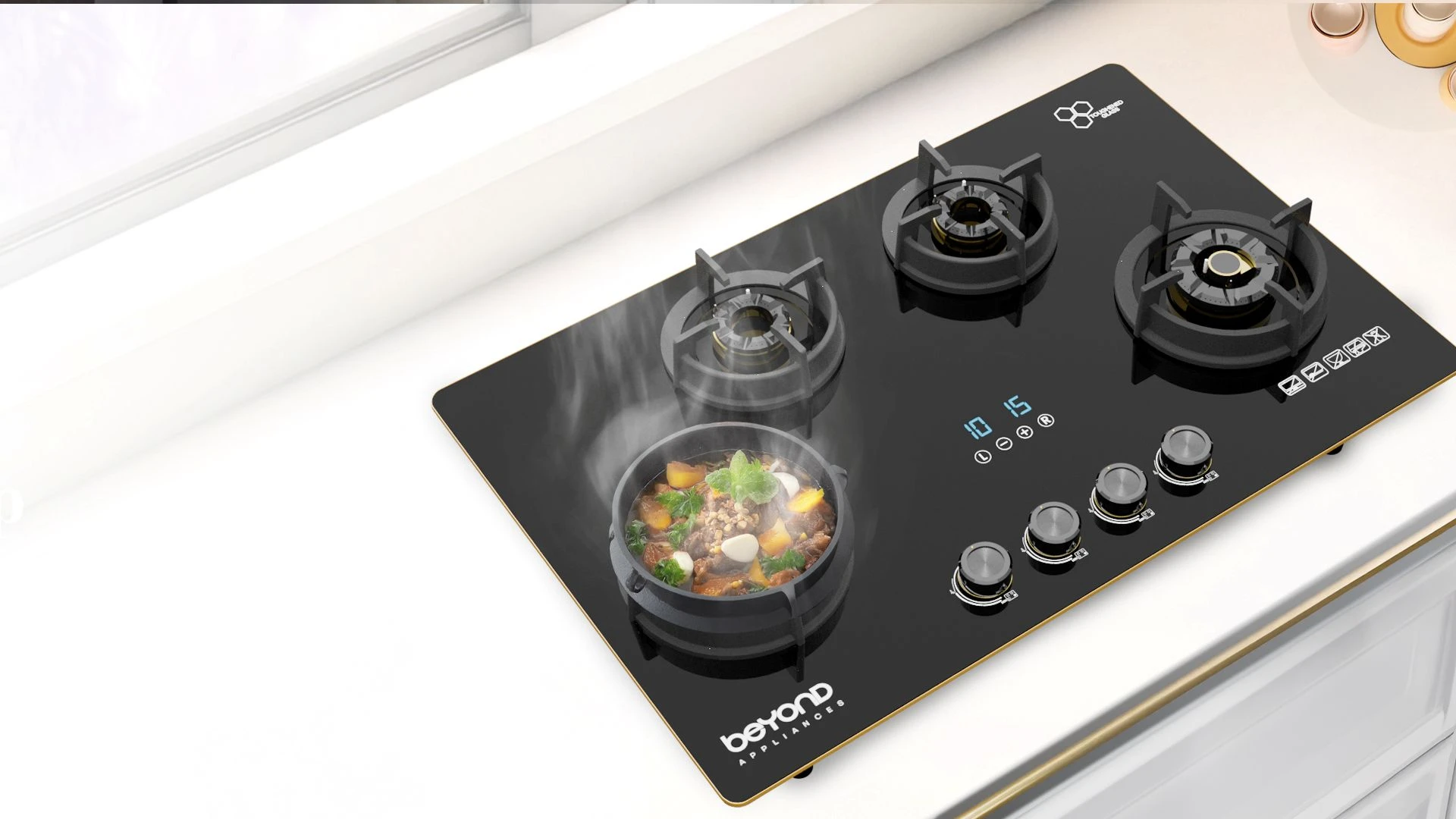
Gas cooktops remain popular among cooking enthusiasts who value immediate heat adjustment. The visible flame provides instant visual feedback, making temperature control intuitive. Professional chefs often prefer gas because it works with all cookware types and delivers consistent results. Most gas models feature automatic ignition systems and safety valves that shut off gas flow if flames extinguish. Two, three, and four-burner configurations suit different kitchen sizes and cooking needs.
Electric cooktops offer sleek, easy-to-clean surfaces that complement modern kitchen designs. Radiant heating elements beneath ceramic glass tops provide even heat distribution. These models often include safety features like hot surface indicators and child locks. Electric cooktops work well for steady, consistent cooking tasks like simmering sauces or slow-cooking dishes. The smooth surface makes cleanup simple with just a damp cloth.
Induction cooktops represent the latest in cooking technology, using electromagnetic fields to heat cookware directly. This method proves 50% more energy efficient than gas alternatives. Induction surfaces remain cool to touch, reducing burn risks and kitchen heat buildup. These smart cooktops often feature precise temperature controls, timer functions, and preset cooking programs. However, they require magnetic cookware like cast iron or stainless steel.
Portable cooktops provide cooking flexibility for small kitchens, outdoor events, or temporary setups. Single and double-burner models offer compact solutions without permanent installation requirements. Many portable units use induction technology for safety and efficiency in confined spaces.
Selecting the right cooktop involves evaluating several important factors that affect daily cooking experiences. Understanding these features helps narrow down options to models that best fit your needs.
Cooktop size directly impacts cooking capacity and kitchen workflow. Two-burner models work well for small apartments or secondary cooking areas. Three-burner configurations offer good versatility for most families. Four-burner setups provide maximum cooking flexibility for serious home chefs. Consider your typical meal preparation needs and available counter space when choosing size.
BTU ratings for gas models and wattage for electric units indicate heating power. Higher ratings mean faster heating and better performance for high-heat cooking techniques. Look for models with varied burner sizes to accommodate different pot and pan sizes. Some premium models include power boost features for rapid heating.
Modern cooktops include numerous safety enhancements like automatic shut-off, child locks, and overheat protection. Smart cooktops may offer app connectivity, voice control, and preset cooking programs. Touch controls provide precise temperature adjustment and easy cleaning. Some models include bridge elements that combine burners for large cookware.
Understanding long-term operating costs helps make financially smart cooktop decisions. Different technologies offer varying efficiency levels that impact monthly utility bills.
Energy efficient cooktops can significantly reduce cooking-related utility costs. Induction models transfer heat most efficiently, converting about 90% of energy directly to cookware. Gas cooktops typically achieve 40-55% efficiency, while electric radiant models reach 65-70%. Consider local utility rates when calculating potential savings.
Induction and electric cooktops produce zero direct emissions, making them environmentally friendly choices when powered by clean electricity. Gas models produce some combustion byproducts but offer efficiency advantages in areas with expensive electricity. Many manufacturers now focus on sustainable materials and energy-saving features.
Proper installation ensures safe operation and optimal performance from your new cooktop. Different types have specific requirements that may affect your choice.
Cooktop installation for gas models requires existing gas lines or professional gas line installation. Local codes may mandate specific clearances from walls and overhead cabinets. Professional installation ensures proper connections and safety compliance. Adequate ventilation helps remove combustion byproducts and cooking odors.
Electric cooktops need dedicated circuits with appropriate amperage ratings. Induction models may require higher electrical capacity than standard electric units. Countertop cutout dimensions must match cooktop specifications exactly. Professional installation ensures proper electrical connections and warranty compliance.
Regular maintenance keeps cooktops operating efficiently and extends their lifespan. Different cooktop types require specific care approaches.
Gas cooktop maintenance involves cleaning burner grates and drip pans regularly. Electric and induction models benefit from gentle cleaning with appropriate glass-top cleaners. Avoid abrasive materials that can scratch surfaces. Wipe spills immediately to prevent staining and buildup.
Scheduled professional maintenance ensures optimal performance and safety. Gas models may need periodic burner adjustments and safety checks. Electric units might require element replacement over time. Many manufacturers offer extended warranty options and reliable after-sales service support.
Induction cooktops are the most energy-efficient option, converting about 90% of electricity directly into heat for cooking. They heat cookware faster than gas or electric alternatives while keeping kitchen temperatures lower.
While some electric models allow DIY installation, gas cooktops require professional installation for safety and code compliance. Professional installation also ensures warranty coverage and proper operation.
Induction cooktops require magnetic cookware such as cast iron, stainless steel, or enameled iron. Test cookware with a magnet - if it sticks strongly, it will work with induction technology.
Installation costs vary by type and complexity. Electric cooktop installation ranges from INR 2,000-5,000, while gas installation may cost INR 3,000-8,000 depending on existing connections and local requirements.
A four-burner cooktop typically suits families of four, providing enough cooking capacity for multiple dishes. Consider your cooking habits and kitchen space when choosing between 30-inch and 36-inch models.
Smart cooktops offer convenience features like remote monitoring, preset programs, and energy tracking. They're worthwhile if you value technology integration and precise cooking control, though basic models perform cooking tasks equally well.
Choosing among top kitchen cooktops requires balancing cooking needs, energy efficiency, and budget considerations. Induction models offer the best energy efficiency and safety features, while gas cooktops provide instant heat control preferred by many cooks. Electric cooktops deliver consistent performance with easy maintenance. Consider installation requirements, long-term operating costs, and available features when making your decision. Professional installation ensures safe operation and warranty protection regardless of which type you choose.
