

Top Cooktop Burner Types: Your Complete FAQ Guide
Choosing the right cooktop burner type can transform your cooking experience and kitchen efficiency. With multiple options available in the Indian market—from traditional gas burners to modern induction systems—understanding each type's benefits, drawbacks, and costs becomes crucial for making an informed decision. This comprehensive guide explores the best cooktop burner types, comparing their performance, safety features, energy efficiency, and pricing to help you select the perfect cooking solution for your home. Whether you're renovating your kitchen or upgrading your current setup, we'll break down everything you need to know about gas, electric, induction, and portable cooktop options.
Modern kitchens offer various cooktop burner options, each designed to meet specific cooking needs and preferences. The four primary categories include gas, electric, induction, and portable systems, with each type offering distinct advantages in terms of heat control, energy efficiency, and installation requirements. Understanding these fundamental differences helps you evaluate which system aligns best with your cooking style, budget, and kitchen infrastructure.
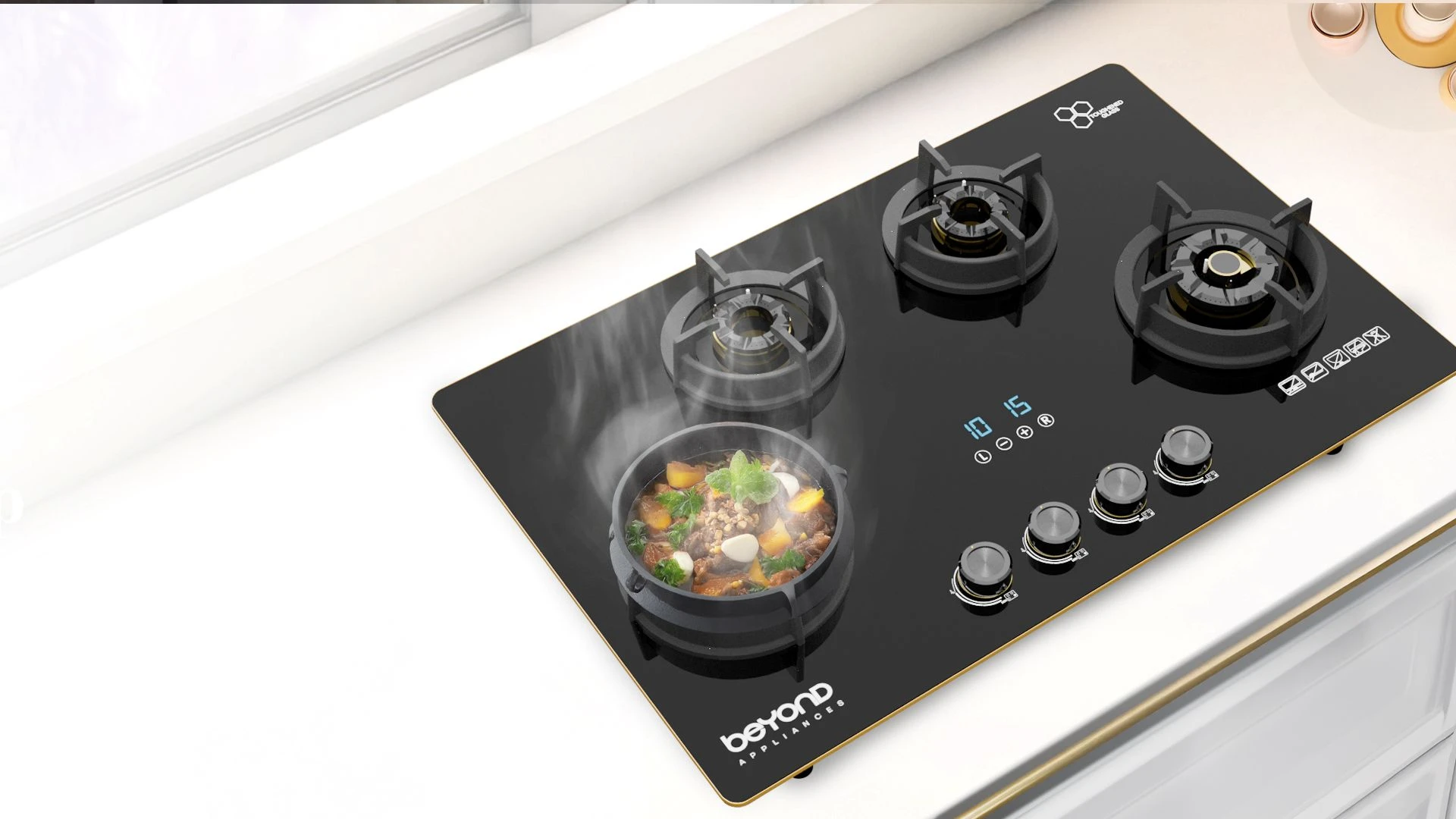
Gas cooktop systems remain the most popular choice in Indian households due to their instant heat control and compatibility with all cookware types. These burners use natural gas or LPG to create an open flame, providing immediate temperature adjustments and visual heat indicators. Gas burners typically cost between INR 3,000 to INR 25,000 depending on the brand and features.
Electric cooktop burners use heating elements or smooth ceramic surfaces to generate heat through electrical resistance. These systems offer consistent temperature distribution and easier cleaning compared to gas alternatives. Electric cooktops range from INR 5,000 to INR 30,000, with higher-end models featuring touch controls and multiple heat zones.
Induction cooktop technology uses electromagnetic fields to heat compatible cookware directly, making it the most energy-efficient option available. These systems provide precise temperature control, enhanced safety features, and faster cooking times. Induction cooktops typically cost between INR 8,000 to INR 40,000, with premium models offering smart connectivity features.
Portable cooktop units offer flexibility for small kitchens, outdoor cooking, or temporary setups. Available in gas, electric, and induction variants, these compact systems provide convenient cooking solutions without permanent installation requirements. Portable options range from INR 1,500 to INR 15,000 depending on the technology and features.
Performance evaluation involves analyzing heat distribution, cooking speed, energy consumption, and overall cooking quality across different burner types. Efficient cooking depends on factors like heat transfer rates, temperature precision, and energy utilization, with each cooktop type excelling in specific areas while presenting certain limitations.
Gas burners provide instant heat adjustments with visual flame indicators, making them ideal for techniques requiring quick temperature changes. Induction systems offer the most precise temperature control through digital interfaces, while electric cooktops provide steady, consistent heat but slower response times.
Induction cooktops achieve 85-90% energy efficiency by heating cookware directly, significantly outperforming gas (40-45%) and electric (65-70%) alternatives. This efficiency translates to lower operating costs and reduced cooking times, making induction the most economical long-term choice despite higher initial investment.
Modern cooktop features prioritize user safety through various built-in protection systems and design elements. Understanding these safety aspects helps you choose systems that minimize risks while maximizing cooking convenience, especially important for households with children or elderly members. Advanced gas cooktops like Cooktops Solaria feature comprehensive safety systems including flame failure devices that automatically cut off gas supply if flames extinguish due to wind or spillage.
Induction cooktops feature automatic shut-off, child locks, and overheat protection, making them the safest option available. Premium gas systems include flame failure devices and auto ignition features, eliminating the need for manual lighting while ensuring safe operation.
Gas cooktops require proper ventilation systems and professional installation to ensure safe operation and compliance with local regulations. Electric and induction systems need adequate electrical capacity but offer simpler installation processes with minimal ventilation requirements.
Smart cooktop integration brings advanced connectivity and automation to modern kitchens, offering remote control capabilities, preset cooking programs, and energy monitoring features. These technological advances enhance cooking convenience while providing valuable insights into usage patterns and energy consumption. Modern gas cooktops now include smart timer functions that automatically switch off gas when cooking time is complete.
Touch controls, digital displays, and voice activation represent the latest control innovations in modern cooktops. These interfaces provide precise temperature settings, multiple cooking zones, and programmable functions that simplify complex cooking techniques.
Evaluating the total cost of ownership involves considering initial purchase price, installation expenses, operating costs, and maintenance requirements. Best cooktops balance upfront investment with long-term savings through energy efficiency, durability, and reduced maintenance needs.
Gas cooktops offer the lowest initial costs but may require expensive ventilation installations. Electric systems provide moderate pricing with standard electrical connections, while induction cooktops command premium prices but deliver superior efficiency and features.
Monthly operating costs vary significantly based on local fuel prices and usage patterns. Induction systems typically offer the lowest operating costs due to superior efficiency, while gas costs depend on LPG prices and electric systems fall between the two options.
The best burner type depends on your specific needs, but induction cooktops generally offer the best combination of efficiency, safety, and performance. Gas burners excel in heat control and cookware compatibility, while electric burners provide consistent heating at moderate costs.
Gas cooktops offer excellent control and instant heat adjustments, making them ideal for experienced cooks. Induction cooktops provide the safest and most efficient option but may require new cookware. Electric cooktops offer a middle ground with consistent performance and easier maintenance.
Cast iron burners offer superior durability and heat retention, making them ideal for heavy-duty cooking. Full brass burners like those in Cooktops Solaria provide excellent heat conduction, save more gas, and offer high-performance durability built to last.
The main types include gas burners (using natural gas or LPG), electric burners (coil or smooth-top), induction burners (electromagnetic heating), and portable units available in all three technologies.
Gas cooktops range from INR 3,000-25,000, electric cooktops cost INR 5,000-30,000, induction cooktops range from INR 8,000-40,000, and portable options cost INR 1,500-15,000 depending on features and brand.
Yes, induction cooktops require magnetic cookware such as cast iron or magnetic stainless steel. You can test existing cookware by checking if a magnet sticks to the bottom.
Selecting the best cooktop burner types requires careful consideration of your cooking needs, kitchen setup, and long-term goals. While gas cooktops remain popular for their instant control and cookware compatibility, induction systems offer superior efficiency and safety features that justify their higher initial cost. Electric cooktops provide a reliable middle ground, and portable options offer flexibility for diverse cooking situations. Consider your budget, cooking frequency, and kitchen infrastructure when making this important decision, as the right cooktop will enhance your culinary experience for years to come.
