

Stop Grease Damage: Chimney Motor Rescue Guide
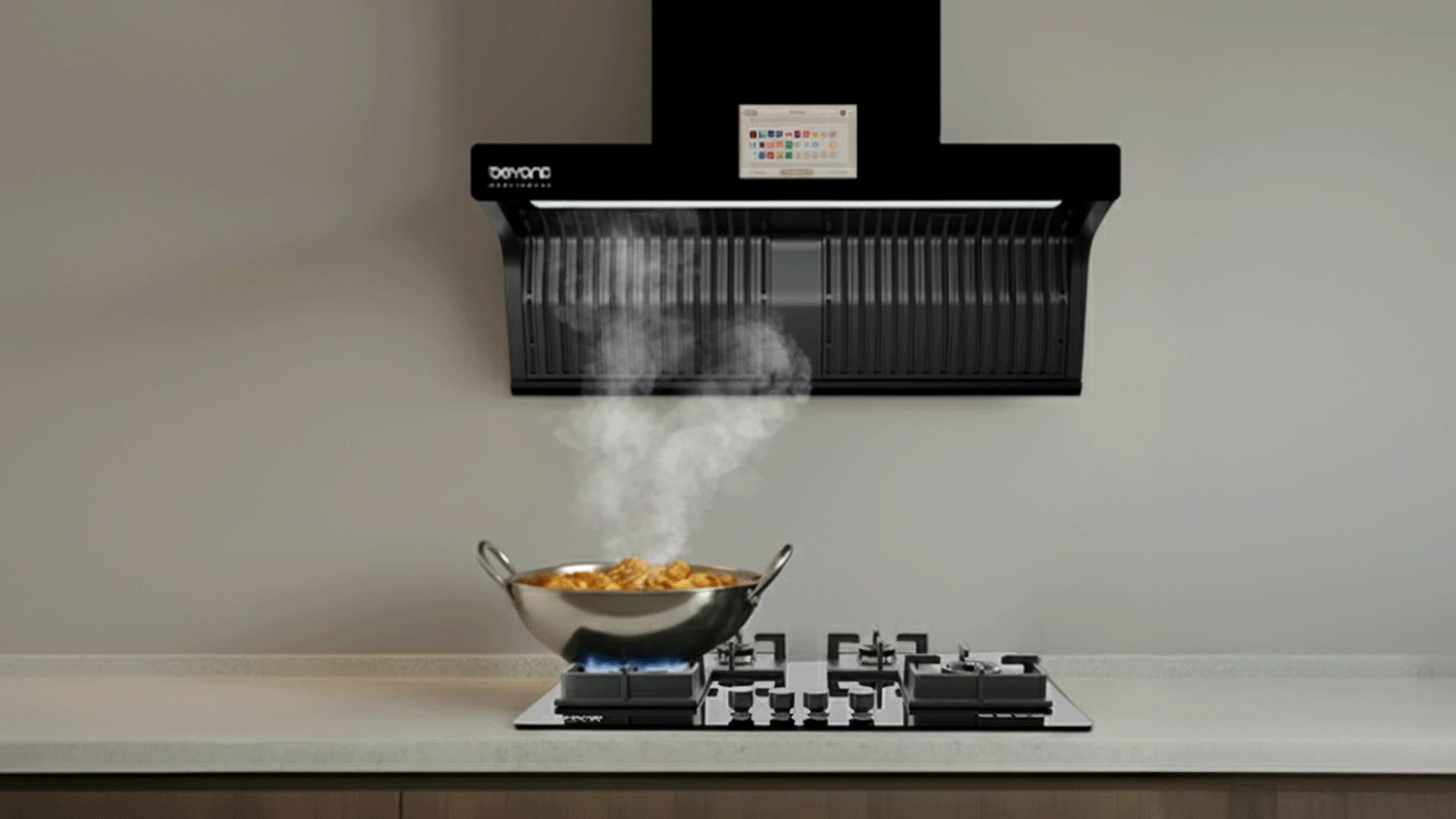
Your kitchen chimney works hard every day to keep your cooking space fresh and clean. But when grease builds up in the filter, it creates a silent threat that can destroy your chimney motor and cost you thousands in repairs. Understanding how grease in chimney filter causes motor damage is the first step to protecting your investment and ensuring years of reliable performance. This guide will show you exactly how to prevent costly motor failures and keep your kitchen ventilation system running smoothly.
Grease accumulation in chimney filters creates a cascade of problems that directly impact your motor's health and lifespan. When chimney filter grease builds up, it blocks airflow and forces your motor to work much harder than designed. This increased strain generates excessive heat and puts tremendous stress on internal components. The connection between dirty filters and motor failure is straightforward but often overlooked. As grease clogs the filter mesh, air resistance increases dramatically. Your motor must spin faster and work longer to maintain the same suction power. This extra effort shortens motor life from years to months in severe cases. Cost implications are significant when comparing prevention to replacement. Regular filter cleaning costs under INR 500 monthly, while motor replacement can range from INR 8,000 to INR 25,000 depending on your chimney model. The math clearly favors prevention. Warning signs of motor struggle include reduced suction power, unusual grinding or whirring noises, longer cooking odor clearance times, and visible grease deposits around the motor housing. These symptoms indicate your motor is already under stress and needs immediate attention.
When grease buildup chimney systems develop blockages, the physics of airflow changes dramatically. Clean filters allow smooth air passage with minimal resistance. Grease-clogged filters create turbulence and backpressure that forces motors to overcome increasing resistance. This increased workload generates heat that damages motor windings, bearings, and electrical connections. Motors designed to operate at specific temperatures begin overheating when forced to work against clogged filters. The heat buildup accelerates component wear and can cause sudden motor failure. Electrical components suffer when grease particles become airborne and settle on motor internals. Grease acts as an insulator and conductor in different situations, disrupting normal electrical flow and creating short circuits. This contamination is particularly damaging to sensitive electronic controls in modern chimney systems. The timeline from minor accumulation to complete failure varies based on cooking habits and maintenance frequency. Heavy cooking with minimal cleaning can destroy a motor in 6-12 months. Regular maintenance extends motor life to 8-15 years or more.
Motor bearings face the greatest immediate threat from grease infiltration. When grease mixes with bearing lubricants, it creates a thick paste that prevents smooth rotation. This contamination causes bearings to seize and motors to burn out. Fan blade efficiency drops significantly as grease accumulates on blade surfaces. The added weight and altered aerodynamics reduce airflow while increasing motor load. Clean blades move air efficiently, while greasy blades create drag and turbulence. Electrical connections corrode when exposed to grease vapors and particles. This corrosion increases resistance, generates heat, and can cause arcing or complete connection failure. Modern chimneys with electronic controls are particularly vulnerable to this type of damage.
Effective kitchen chimney maintenance starts with understanding your cooking patterns and adjusting cleaning frequency accordingly. Heavy frying and grilling require weekly filter attention, while light cooking allows monthly cleaning intervals. The key is consistency rather than perfection. Essential chimney cleaning tips include using warm soapy water for aluminum filters, avoiding harsh chemicals that damage filter materials, and ensuring complete drying before reinstallation. Wet filters promote rust and bacterial growth that can damage motors and create health hazards. Tools needed for effective maintenance include soft brushes, degreasing agents, clean cloths, and replacement filters for backup. Having proper supplies on hand makes regular cleaning convenient and thorough. Professional-grade degreasers work faster than household cleaners but require careful handling. Deciding between professional and DIY maintenance depends on your comfort level and available time. Basic filter cleaning is straightforward for most homeowners, while motor inspection and deep cleaning may require professional expertise. Annual professional service complements regular DIY maintenance effectively.
Smart kitchen ventilation begins before you start cooking. Turn on your chimney 5-10 minutes before heating oil to establish proper airflow. This preparation helps capture grease vapors before they spread throughout your kitchen. Efficient cooking ventilation techniques include using appropriate heat settings, covering pans when possible, and positioning cookware to direct vapors toward the chimney intake. These simple adjustments reduce grease production and filter contamination. Pre-cooking preparation minimizes grease splatter through proper ingredient preparation and cooking method selection. Pat proteins dry before cooking, use splatter screens when frying, and choose cooking methods that generate less airborne grease when possible.
Safety precautions are essential before starting any chimney filter cleaning process. Turn off power to the chimney, allow motors to cool completely, and ensure adequate ventilation in your cleaning area. Wear gloves to protect hands from sharp filter edges and cleaning chemicals. Detailed cleaning methodology varies by filter type but follows similar principles. Remove filters carefully, noting their orientation for proper reinstallation. Soak heavily soiled filters in warm, soapy water for 15-30 minutes before scrubbing. Use soft brushes to avoid damaging filter mesh. Different filter materials require specific approaches. Aluminum mesh filters tolerate stronger degreasers and scrubbing, while carbon filters may need replacement rather than cleaning. Baffle filters have complex geometries that require careful attention to all surfaces and crevices. Drying and reinstallation best practices include complete air drying to prevent rust and bacterial growth. Ensure filters are completely dry before reinstalling, and check that they seat properly in their housings. Improper installation can create air leaks that reduce efficiency.
Filter condition assessment involves checking for holes, excessive grease buildup that resists cleaning, and structural damage. Filters with tears or bent mesh should be replaced immediately to maintain proper airflow and motor protection. Cost-benefit analysis favors cleaning when filters respond well to standard cleaning methods. Replacement becomes necessary when cleaning time exceeds 30-45 minutes per filter or when cleaned filters fail to restore proper airflow. Quality indicators for filter effectiveness include restored suction power after cleaning, absence of grease odors during cooking, and visual cleanliness of filter surfaces. Filters that don't meet these standards need replacement or more intensive cleaning.
Advanced protection starts with understanding how to prevent chimney motor failure through systematic approaches. Installing grease traps provides an additional layer of protection by capturing grease before it reaches primary filters. These devices require regular emptying but significantly extend filter life. Upgraded filtration systems benefit kitchens with heavy cooking loads. Multi-stage filtration with pre-filters and main filters distributes grease capture across multiple components. This approach reduces individual filter loading and extends overall system life. Motor protection devices include thermal switches that shut down overheating motors and current monitors that detect excessive electrical draw. These safety features prevent catastrophic motor damage by stopping operation before permanent damage occurs. Creating a preventive maintenance schedule involves documenting cleaning dates, filter conditions, and motor performance indicators. This record helps identify patterns and optimize maintenance timing for your specific cooking habits and chimney model.
Chimney grease fire hazard prevention requires understanding that accumulated grease is highly flammable. Regular cleaning eliminates fuel for potential fires and reduces risk to your family and property. Grease fires in chimneys can spread rapidly and cause extensive damage. Fire safety considerations include installing fire suppression systems in commercial-style home kitchens and maintaining clear access to chimney controls. Emergency procedures should include immediate power shutdown and fire department contact for any suspected chimney fire. Insurance implications of poor maintenance can be severe. Many policies exclude coverage for damage resulting from inadequate maintenance. Documented regular cleaning provides evidence of proper care and may be required for claims processing.
Clean filters every 2-4 weeks for regular cooking, weekly for heavy frying and grilling. Adjust frequency based on visible grease accumulation and reduced suction performance.
Reduced suction power, unusual noises, longer cooking odor clearance, and visible grease on motor housing indicate motor stress from grease buildup.
Minor cleaning can be DIY, but motor repairs require professional service due to electrical safety concerns and warranty considerations.
Motor replacement typically costs INR 8,000-25,000, while prevention through regular cleaning costs under INR 500 monthly.
Multi-layer aluminum mesh filters with grease collection trays provide optimal motor protection for most home kitchens.
Protecting your chimney motor from grease damage requires consistent attention but delivers significant long-term savings. The simple act of regular filter cleaning prevents costly repairs and ensures reliable kitchen ventilation for years. Remember that prevention costs a fraction of replacement, and the time invested in maintenance pays dividends in motor longevity and cooking comfort. Start your protection plan today by establishing a regular cleaning schedule that matches your cooking habits.
