

Steam & Gas Stoves: Longevity Secrets Revealed
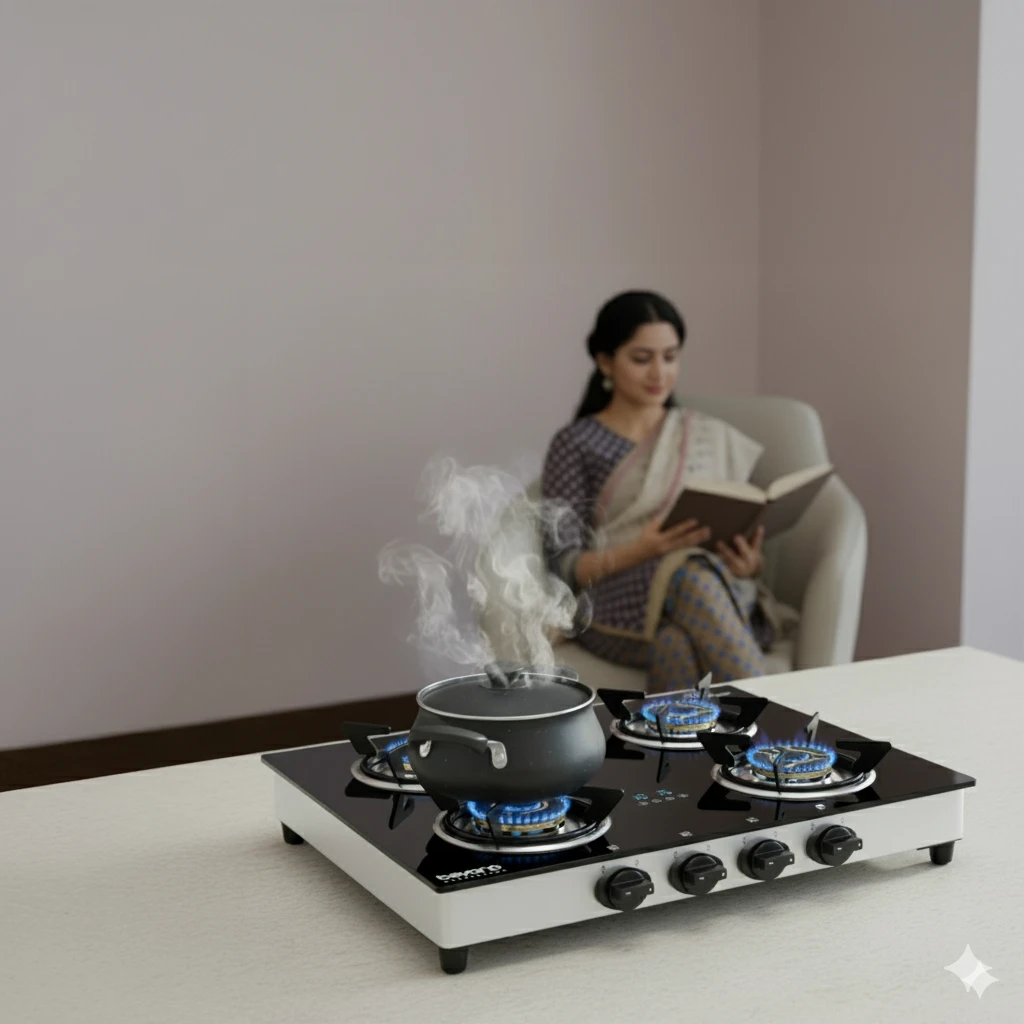
Steam from everyday cooking activities can significantly impact your gas stove's performance and lifespan. Many homeowners wonder whether the moisture generated during boiling, steaming, or pressure cooking actually damages their appliances. The answer is more complex than you might expect. While modern gas stoves are designed to handle normal kitchen conditions, excessive steam exposure can accelerate wear and reduce your appliance's longevity. Understanding this relationship helps you make informed decisions about cooking methods and maintenance practices that protect your investment.
Steam affects gas stove lifespan through several mechanisms that work gradually over time. When water vapor condenses on metal surfaces, it creates an environment where corrosion can develop. The repeated heating and cooling cycles that occur during cooking cause thermal stress, which becomes more pronounced when moisture is present. The most vulnerable components include burner heads, control knobs, and ignition systems. Steam damage gas stove components by penetrating small gaps and crevices where moisture can accumulate. Over time, this leads to rust formation, particularly on steel components that lack adequate protective coatings. Temperature fluctuations compound the problem. When hot surfaces meet cool steam, rapid temperature changes create expansion and contraction cycles. These cycles can cause metal fatigue and compromise seals around gas connections. Research shows that stoves exposed to high steam levels regularly may experience a 15-20% reduction in overall lifespan compared to those in well-ventilated environments.
Understanding specific gas stove problems caused by steam helps you recognize early warning signs and take preventive action. Each component faces unique challenges when exposed to excessive moisture.
Burner heads suffer the most direct steam exposure during cooking. Moisture can clog the small holes that distribute gas evenly, leading to uneven flames and reduced efficiency. Corrosion around these openings affects flame patterns and can create safety hazards.
Steam can infiltrate control valves and knobs, causing them to become stiff or unreliable. Internal components may corrode, making precise temperature control difficult. This affects cooking appliance durability and user safety.
Electronic ignition systems are particularly sensitive to moisture. Steam can cause electrical components to malfunction, leading to inconsistent lighting or complete ignition failure. These repairs often require professional service.
Enamel and stainless steel surfaces can develop water spots, discoloration, or pitting when repeatedly exposed to steam. This affects both appearance and the surface's ability to resist future moisture damage.
Implementing efficient cooking methods reduces steam exposure while maintaining cooking quality. These techniques protect your appliance without compromising your culinary results. Use lids strategically to contain steam rather than letting it escape freely into the kitchen environment. When boiling water or cooking rice, keep lids on pots to trap moisture. For dishes that require steam release, position lids to direct vapor away from stove surfaces. Control cooking temperatures to minimize excessive steam production. Lower heat settings often achieve the same results while generating less moisture. This approach also improves energy efficiency and reduces thermal stress on stove components.
Proper ventilation is crucial for stove care. Use exhaust fans or range hoods during high-moisture cooking activities. Position fans to create airflow that carries steam away from the stove surface rather than allowing it to condense on appliance components.
Arrange cookware to minimize steam contact with stove surfaces. Use appropriately sized pots for burners to prevent steam from escaping around edges. Consider using steam inserts or bamboo steamers that elevate food above water levels, reducing overall moisture production.
Regular maintenance is key to extending stove life and preventing steam-related damage. Consistent care routines address moisture issues before they become serious problems. Daily cleaning prevents moisture buildup that can lead to corrosion. Wipe down surfaces after cooking, paying special attention to areas around burners where steam typically condenses. Use dry cloths to remove water spots and prevent mineral deposits. Weekly deep cleaning should include removing and cleaning burner components. Soak removable parts in warm, soapy water to eliminate grease and moisture residue. Ensure all components are completely dry before reassembly.
Conduct monthly inspections to identify early signs of steam damage. Check for discoloration, rust spots, or unusual wear patterns around burners and control areas. Look for changes in flame patterns that might indicate clogged burner holes.
Schedule professional maintenance annually to address issues beyond routine cleaning. Technicians can inspect internal components, test safety systems, and perform adjustments that maintain optimal performance. This proactive approach prevents minor steam damage from becoming major repairs.
Kitchen appliance longevity depends on multiple factors working together. While steam management is important, other environmental and usage factors also influence your stove's lifespan. Air quality affects all kitchen appliances. Cooking oils, spices, and other airborne particles can combine with moisture to create corrosive environments. Regular cleaning and good ventilation address these combined effects. Usage patterns significantly impact durability. Consistent, moderate use typically extends appliance life compared to irregular heavy use or extended periods of inactivity. Modern gas stoves are designed for regular operation, and consistent use helps maintain seals and moving parts.
When selecting new appliances, look for features that enhance moisture resistance. Stainless steel construction, sealed burner systems, and quality control knobs resist steam damage better than basic models. Extended warranty options provide additional protection for your investment.
Daily pasta cooking can increase steam exposure, but proper ventilation and regular cleaning minimize damage. Use lids to contain steam and wipe surfaces after cooking to prevent moisture accumulation.
Clean surfaces daily after cooking and perform deep cleaning weekly. Remove and clean burner components monthly to prevent moisture-related buildup and corrosion.
Avoid placing humidifiers near gas stoves as additional moisture increases corrosion risk. Maintain adequate ventilation to balance humidity levels in cooking areas.
Well-maintained gas stoves typically last 15-20 years. Proper steam management, regular cleaning, and professional maintenance can extend this lifespan significantly.
Stoves with stainless steel construction, sealed burner systems, and quality finishes generally resist steam damage better. Look for models with moisture-resistant features and extended warranties.
Watch for uneven flames, difficult-to-turn knobs, ignition problems, or visible corrosion around burners. These signs indicate moisture damage requiring professional attention.
Regular cleaning, proper ventilation, and strategic lid use provide the best protection at minimal cost. These simple practices prevent expensive repairs and extend appliance life.
You don't need to avoid specific cooking methods, but use proper ventilation during high-steam activities like boiling or pressure cooking. Strategic cooking practices protect your appliance while maintaining culinary flexibility.
Steam does affect gas stove longevity, but understanding the relationship helps you take protective measures. Regular maintenance, proper ventilation, and smart cooking practices significantly extend your appliance's life. The key is consistent care rather than avoiding steam-producing cooking methods entirely. With proper attention, your gas stove can provide reliable service for many years while handling all your cooking needs safely and efficiently.
