

Solve Cooking Heat Problems: Expert FAQ Guide
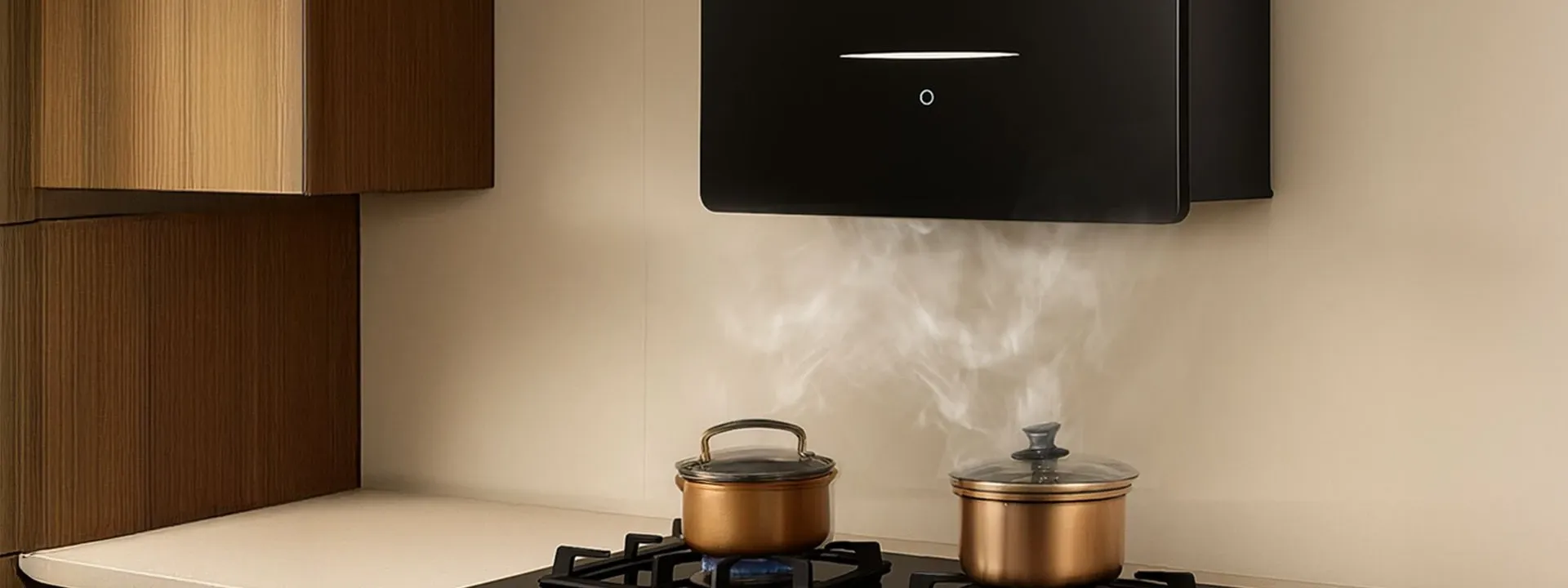
Cooking heat problems can turn your favorite recipes into kitchen disasters. Whether you're dealing with uneven cooking, burnt edges, or undercooked centers, temperature control issues affect every home cook. Understanding how to manage heat properly transforms your cooking experience from frustrating to enjoyable. The right techniques and equipment make all the difference in achieving consistent, delicious results every time you step into your kitchen.
Cooking temperature control starts with recognizing the most frequent issues that plague home kitchens. Temperature inconsistencies across cooking surfaces create uneven results, leaving some areas perfectly cooked while others remain raw or burnt. Hot spots and cold zones in ovens cause baking disasters, while burner flame irregularities make stovetop cooking unpredictable. Heat retention issues in cookware compound these problems. Poor-quality pans distribute heat unevenly, creating burning spots while other areas stay cool. Environmental factors like kitchen ventilation, ambient temperature, and humidity also affect cooking performance. Proper kitchen heat management requires understanding these variables and adapting your techniques accordingly. Modern cooking appliances offer better temperature control, but older equipment often struggles with consistent heat distribution. Gas burners may have uneven flames, while electric elements can develop hot spots over time. Recognizing these patterns helps you adjust your cooking methods for better results.
Oven heat issues manifest in several ways that experienced cooks learn to identify quickly. Uneven browning, longer cooking times, and temperature fluctuations signal heating problems that need immediate attention. Understanding these signs helps you troubleshoot effectively before problems worsen.
Watch for these warning signs: food takes longer to cook than recipe times suggest, baked goods brown unevenly, or your oven thermometer reads differently than the set temperature. Hot spots create burnt edges while centers remain undercooked.
Calibrate your oven using an independent thermometer placed in the center rack. Compare readings with your oven's display after preheating for 20 minutes. Most ovens allow temperature adjustments through their control panels or service menus.
Electric ovens with faulty heating elements show visible damage like cracks, blistering, or dark spots. Gas ovens may have uneven flame patterns or yellow flames instead of blue. These issues require professional repair or element replacement.
Simple calibration fixes minor temperature variations, while damaged heating elements need replacement. Circuit breaker resets solve electrical issues, but recurring problems indicate deeper component failures requiring professional service.
Stovetop burner problems create uneven cooking solutions that frustrate even experienced cooks. Gas and electric burners each present unique challenges requiring different approaches. Understanding your specific burner type helps you implement effective fixes. Gas burners offer instant heat control but can develop uneven flame patterns over time. Electric burners provide steady heat but may develop hot spots or slow response times. Both types benefit from regular maintenance and proper usage techniques.
Clean burner ports regularly to maintain even flame distribution. Blue flames indicate proper combustion, while yellow flames suggest cleaning needs or gas pressure issues. Adjust flame height gradually for optimal heat control.
Electric burners require patience for temperature changes. Preheat elements fully before cooking and use appropriate cookware sizes that match burner dimensions. Replace warped or damaged elements promptly.
Rotate pans regularly during cooking to compensate for hot spots. Use heat diffusers for delicate cooking tasks. Choose cookware with thick, flat bottoms for even heat transfer across the entire cooking surface.
Heavy-bottomed pans distribute heat evenly and prevent hot spots. Stainless steel and cast iron offer excellent heat retention. Match pan sizes to burner dimensions for maximum efficiency and even heating.
Smart cooking methods transform unpredictable results into consistent cooking success. Efficient cooking techniques focus on understanding heat behavior and adapting your approach accordingly. These methods work regardless of your equipment's age or condition. Consistent cooking results depend on proper preheating, temperature monitoring, and timing coordination. Professional chefs rely on these fundamentals to deliver perfect dishes repeatedly. Home cooks can apply the same principles for restaurant-quality results.
Allow ovens to preheat completely before cooking, typically 15-20 minutes for most recipes. Preheat pans on medium heat before adding oil or food. This prevents sticking and ensures even cooking from the start.
Use instant-read thermometers for accurate internal temperatures. Monitor surface temperatures with infrared thermometers for pan cooking. Adjust heat gradually rather than making dramatic changes.
Create different temperature zones for multi-item cooking. Use back burners for simmering while front burners handle active cooking. Arrange oven racks to optimize heat circulation for multiple dishes.
Start longest-cooking items first, adding quicker-cooking ingredients in stages. Use timers for each component to prevent overcooking. Plan rest periods for meats and baked goods to complete cooking evenly.
Food burning prevention requires understanding heat distribution patterns and early warning signs. Even the best cooks occasionally face burning issues, but recognizing problems early prevents disasters. Proper heat distribution techniques ensure even cooking throughout your dishes. Heat distribution in cooking depends on cookware quality, burner condition, and cooking techniques. Uneven heat creates hot spots that burn food while leaving other areas undercooked. Learning to manage these patterns improves your cooking dramatically.
Watch for smoke, sizzling sounds, or browning edges that appear too quickly. Smell changes often indicate burning before visible signs appear. Adjust heat immediately when these warnings occur.
Rotate pans every few minutes during cooking to prevent hot spot burning. Shake pans gently to redistribute ingredients. Stir frequently when cooking sauces or delicate items that burn easily.
Heat diffusers create more even temperature distribution for delicate cooking. Place them between burners and pans for gentle, consistent heat. They work especially well for melting chocolate or cooking rice.
Reduce heat when browning occurs too quickly. Move pans to cooler burners or oven areas if needed. Cover dishes partially to slow surface browning while interiors finish cooking.
Lower burner settings gradually and use lids to retain heat while reducing direct exposure. Move pans to smaller burners or cooler oven zones. Heat diffusers help maintain gentle, consistent temperatures for delicate dishes.
Uneven cooking results from hot spots, improper cookware, or incorrect heat settings. Use heavy-bottomed pans, preheat properly, and rotate food regularly. Match pan sizes to burner dimensions for optimal heat distribution.
First, calibrate using an independent thermometer. Most ovens allow temperature adjustments through control panels. If calibration doesn't work, heating elements may need replacement by a qualified technician.
Replace elements showing visible damage like cracks, blistering, or dark spots. Minor calibration issues can be repaired through adjustment. Recurring problems after repairs indicate the need for replacement.
Use medium heat settings and allow longer cooking times. Monitor food closely and adjust heat as needed. Cover dishes partially to slow surface browning while interiors cook through completely.
Use exhaust fans and open windows for ventilation. Cook during cooler parts of the day when possible. Choose cooking methods that generate less heat, like steaming or using smaller appliances instead of large ovens.
Solving cooking heat problems requires patience, observation, and the right techniques. Understanding your equipment's behavior helps you adapt cooking methods for consistent results. Regular maintenance and proper usage extend appliance life while improving performance. Remember that even professional chefs face heat management challenges, so don't get discouraged by occasional setbacks. With practice and the right approach, you'll master temperature control and enjoy better cooking results every day.
