
Smart vs Conventional: Kitchen Appliance Showdown
Cart
Your cart is empty
The modern kitchen has become a battleground between cutting-edge technology and time-tested reliability. With smart kitchen appliances promising revolutionary convenience and conventional appliances offering proven dependability, homeowners face a crucial decision. This comprehensive comparison examines performance, costs, and real-world benefits to help you choose the right appliances for your kitchen. Whether you're renovating or upgrading, understanding the true differences between smart and traditional options will guide your investment toward the perfect cooking environment.
The kitchen appliance landscape has transformed dramatically in recent years. Smart kitchen appliances integrate advanced technology with everyday cooking tasks, while conventional appliances maintain their focus on straightforward functionality. Both approaches serve distinct user needs and preferences.
Connected kitchen devices feature IoT connectivity that enables smartphone app control and remote monitoring. These appliances learn from usage patterns and optimize performance automatically. Advanced models include AI-powered features like recipe suggestions and cooking time adjustments. Energy efficiency optimization occurs through smart sensors that adjust power consumption based on actual needs.
Traditional kitchen appliances operate through manual controls and physical interfaces. They offer proven durability with simpler mechanical systems that require minimal technical knowledge. Lower upfront costs make them accessible to broader demographics. Universal usability ensures anyone can operate these appliances without smartphone apps or internet connectivity.
Connectivity requirements separate these appliance categories significantly. Smart appliances need stable internet connections and regular software updates. Learning curves vary dramatically, with smart devices requiring initial setup and familiarization periods. Maintenance complexity increases with smart features, though diagnostic capabilities can simplify troubleshooting.
Performance metrics reveal significant differences between smart and conventional cooking solutions. Efficient cooking appliances in both categories excel in specific areas, making direct comparisons essential for informed decisions.
Temperature precision improves substantially with smart appliances through digital sensors and automated adjustments. Cooking time optimization occurs through pre-programmed settings and learning algorithms. Multi-functionality capabilities expand with smart features like voice control and app-based recipe guidance. Recipe accuracy increases through precise timing and temperature control systems.
Smart appliances typically reduce energy consumption by 15-30% compared to conventional models. Advanced sensors prevent unnecessary power usage during standby periods. Conventional appliances maintain consistent baseline consumption without optimization features. Long-term utility savings from smart appliances can offset higher purchase prices over 3-5 years. Environmental impact decreases through optimized energy usage and reduced waste.
Ecosystem compatibility with Google Assistant, Alexa, and Apple HomeKit enhances user experience. Cross-appliance communication enables coordinated cooking processes and automated workflows. Workflow automation possibilities include synchronized cooking times and temperature adjustments across multiple devices.
Modern smart appliances offer compelling advantages that extend beyond basic cooking functionality. These benefits justify the premium pricing for many households seeking convenience and efficiency.
Pre-programmed cooking modes eliminate guesswork for complex recipes and cooking techniques. Remote operation capabilities allow users to start cooking while away from home. For example, advanced chimneys now feature Motion Sensor Control that turns the unit on or off by simply waving your hands, eliminating the need to touch greasy buttons while cooking. AI Whistle Counter technology can count pressure cooker whistles and alert users when the set number is reached. Maintenance alerts notify users about cleaning schedules and potential issues before they become problems.
Automatic shut-off systems prevent overcooking and potential hazards. Real-time safety notifications alert users to gas leaks, overheating, or other dangerous conditions. Child lock and security controls prevent unauthorized operation. Auto Turn Off features allow users to set timers for desired operation duration, eliminating the worry of forgetting to turn off appliances.
User preference adaptation improves cooking results through machine learning algorithms. Usage pattern optimization adjusts settings based on individual cooking habits. Personalized recommendations suggest recipes and cooking methods based on available ingredients and past preferences.
Financial considerations play a crucial role in appliance selection decisions. Understanding both immediate and long-term costs helps justify investment choices.
Smart appliances typically cost 20-50% more than conventional equivalents. A basic conventional chimney might cost INR 15,000, while a smart version with features like Dual Bluetooth Speakers and FM Radio capabilities could cost INR 25,000-35,000. Feature-to-price ratio analysis reveals varying value propositions across different appliance categories.
Energy savings calculations show potential monthly reductions of INR 500-1,500 in utility bills. Maintenance cost differences favor smart appliances through predictive diagnostics and Dry Heat Auto Clean technology that reduces manual cleaning requirements. Lifespan considerations vary, with smart appliances offering 8-12 year warranties compared to 5-7 years for conventional models. Resale value impact increases property appeal in the modern kitchen market.
Installation requirements may include electrical upgrades for smart features. Subscription services for premium app features can add INR 200-500 monthly. Technology upgrade cycles require consideration of software support duration and compatibility with future devices.
Selecting between smart and conventional appliances requires careful assessment of personal needs and circumstances. This systematic approach ensures optimal decision-making.
Cooking frequency determines the value of advanced features and automation. Tech comfort level evaluation helps predict user satisfaction with smart interfaces. Family size analysis reveals whether features like 1500 CMH Suction capacity and multiple LED lighting options justify premium pricing. Budget allocation strategies should consider total kitchen renovation costs versus individual appliance upgrades.
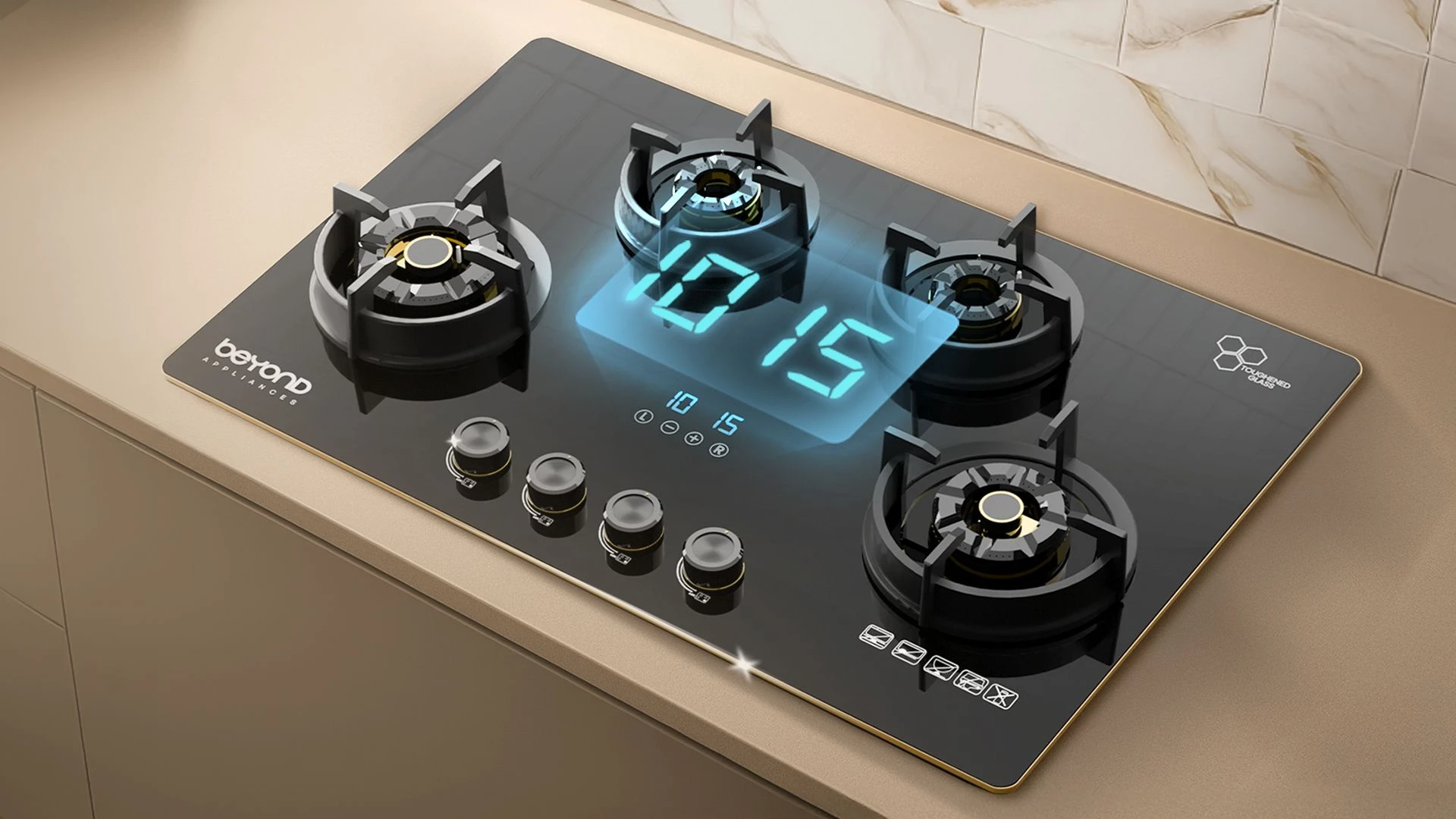
Must-have smart features vary by appliance type and user needs. Chimneys benefit most from motion sensors and auto-clean technology. Cooktops gain value from precise temperature control and safety features. Filterless designs reduce maintenance requirements regardless of smart capabilities. Future-proofing considerations include connectivity standards and software update commitments.
Warranty coverage for smart features often differs from mechanical components. Extended warranty options provide additional protection for complex electronic systems. Software update commitments ensure long-term functionality and security. Customer support quality metrics become crucial for troubleshooting smart features and connectivity issues.
Actual usage experiences reveal the practical differences between smart and conventional appliances in daily kitchen operations.
Time savings quantification shows 20-30% reduction in cooking preparation time through automation. Energy efficiency achievements demonstrate measurable utility bill reductions. Convenience factor improvements include hands-free operation through Motion Sensor Control and entertainment options via Dual Bluetooth Speakers during cooking sessions.
Connectivity issues affect approximately 15% of smart appliance users initially. Learning curve management requires 2-4 weeks for full feature utilization. Integration complications arise when mixing brands or older home automation systems. Button Control & Display Screen interfaces provide backup operation when smart features malfunction.
Simplicity benefits include immediate operation without setup requirements. Lower maintenance requirements reduce long-term ownership costs. Universal operation capabilities ensure all family members can use appliances effectively regardless of technical knowledge.
Technology trends influence long-term appliance value and functionality. Understanding these developments helps optimize investment timing and selection.
AI advancement predictions include voice-activated recipe guidance and automated grocery ordering. Sustainability focus developments emphasize energy optimization and waste reduction. Integration improvements forecast seamless operation across all kitchen appliances and home systems.
Technology adoption timing strategies suggest waiting for second-generation smart features for better reliability. Budget-conscious upgrade paths recommend prioritizing high-impact appliances like chimneys and cooktops first. Hybrid approaches combine smart and conventional appliances based on specific use cases and user preferences.
Smart appliances provide value through energy savings, convenience features, and enhanced safety. The 20-50% price premium typically pays for itself within 3-5 years through reduced utility costs and improved efficiency.
Smart appliances reduce energy consumption by 15-30% on average. Monthly savings range from INR 500-1,500 depending on usage patterns and local utility rates.
Most smart appliances continue basic operation without internet connectivity. Manual controls and Button Control & Display Screen interfaces provide backup functionality during connectivity issues.
Lifespan varies by brand and usage rather than technology type. Quality conventional appliances last 10-15 years, while well-made smart appliances offer similar durability with extended warranty coverage.
Chimneys with Auto Turn Off and Dry Heat Auto Clean features offer excellent returns through energy savings and reduced maintenance. Smart cooktops with precise temperature control improve cooking results and safety.
The choice between smart kitchen appliances vs conventional appliances depends on individual priorities, budget, and lifestyle preferences. Smart appliances excel in convenience, energy efficiency, and advanced features, while conventional options provide reliability, simplicity, and lower costs. Consider your cooking habits, technical comfort level, and long-term kitchen goals when making decisions. Both categories offer quality solutions for modern kitchens, with the best choice varying by specific needs and circumstances.
