

Protect Your Glass Cooktop: Prevent Pot Damage
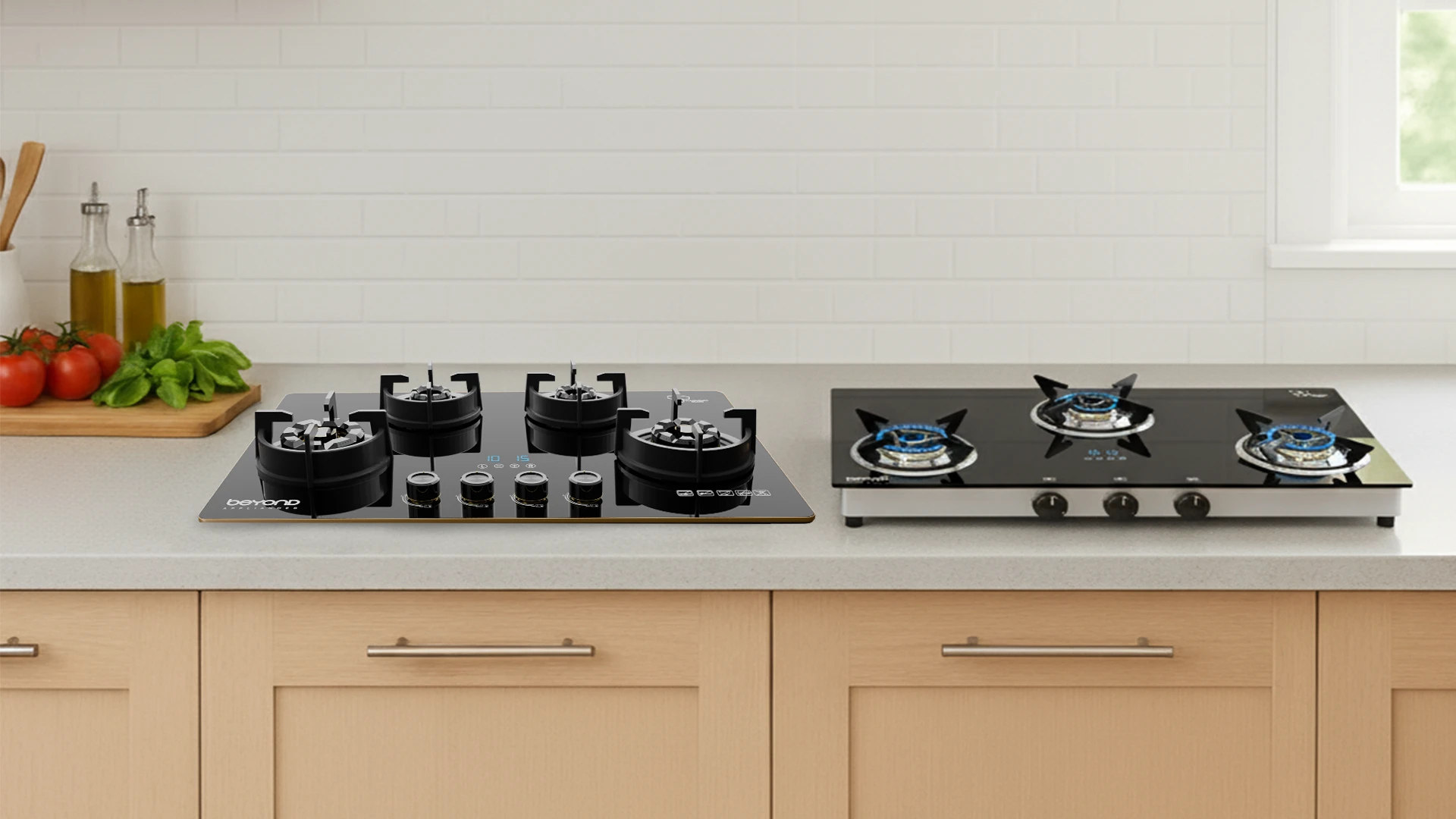
Glass cooktops bring sleek elegance to modern kitchens, but they require careful attention to cookware choices. Many homeowners wonder can uneven pots harm the glass surface and worry about costly damage from everyday cooking. The answer is yes – uneven cookware poses serious risks to your glass cooktop's integrity. Understanding how pot base imperfections create concentrated pressure points, thermal stress, and potential scratches helps you protect your investment. With the right knowledge about safe cookware selection and proper usage techniques, you can enjoy your glass cooktop for years without worrying about expensive repairs or replacements.
The science behind uneven pot damage involves concentrated force and thermal stress on glass surfaces. When cookware has warped or dented bottoms, it creates pressure points that focus weight and heat unevenly across the cooktop. These concentrated forces can exceed the glass's stress tolerance, leading to micro-cracks that eventually become visible damage. Temperature differentials play a crucial role in glass cooktop scratches. Uneven pot bases create hot spots where metal contacts glass directly, while gaps allow cooler air pockets. This thermal variation causes the glass to expand and contract at different rates, creating internal stress that weakens the surface over time.
Perform regular visual inspections of your pot bases for dents, warping, or rough spots. The wobble test involves placing cookware on a flat surface – any rocking motion indicates an uneven base that could damage your cooktop. Listen for unusual sounds during cooking, such as clicking or grinding noises that suggest poor contact between cookware and glass surface.
Pot base imperfections develop through various mechanisms that compromise cookware safety. Warped bottoms result from overheating, especially when empty pots are left on high heat settings. The metal expands unevenly, creating permanent deformation that concentrates pressure on small contact points. Dents and dings from drops or impacts create raised areas that can scratch glass surfaces during use. Manufacturing defects in inexpensive cookware often include uneven bases, rough finishes, or poor-quality materials that increase cookware surface damage risks. Age-related deterioration affects even high-quality pots, as repeated heating cycles gradually warp metal bases.
Use a straight edge or ruler to check pot bases for gaps indicating warping. Place cookware upside-down on a flat surface and look for light showing through gaps. Professional inspection involves precision measuring tools, but simple home tests effectively identify problematic cookware that should be retired before causing damage.
Induction cooktop care requires special attention to magnetic cookware compatibility and base flatness. Induction surfaces use electromagnetic fields that demand excellent contact between cookware and glass for efficient heat transfer. Poor contact not only reduces cooking performance but increases stress on the glass surface. Ceramic glass cooktops differ from tempered glass in scratch resistance and thermal properties. Understanding your specific cooktop type helps determine appropriate care methods and cookware requirements. Heat distribution patterns vary between radiant and induction systems, affecting where stress concentrates during cooking.
Identify your cooktop material by checking manufacturer specifications or visual characteristics. Ceramic glass typically appears darker with visible heating elements, while induction surfaces remain cool except where cookware sits. Manufacturer-specific care requirements often include cookware recommendations and cleaning protocols that maintain warranty coverage.
Scratch resistant cookware features smooth, flat bases made from appropriate materials for glass surfaces. Stainless steel with aluminum or copper cores provides excellent heat distribution while maintaining flat contact. Cast iron works well but requires careful handling due to weight and potential for chipping glass if dropped. The best pots for glass cooktops have perfectly flat, smooth bases without ridges, grooves, or rough finishes. Look for cookware specifically labeled as safe cookware for glass surfaces, which undergoes testing for flatness and surface quality. Weight considerations matter – extremely heavy pots increase pressure on glass, while very light cookware may not provide adequate contact.
Avoid cookware with rough, unfinished bases or decorative ridges that can scratch glass. Cheap aluminum pots often warp quickly and develop uneven surfaces. Stone or ceramic cookware with rough bottoms poses significant scratch risks, regardless of price point.
Preventing cooktop scratches starts with proper cookware handling techniques. Always lift pots rather than sliding them across the surface, even when moving short distances. Place cookware gently to avoid impact damage, and ensure the cooktop surface is clean before each use. Cooktop protection involves daily cleaning routines that remove food particles and grease buildup. These substances can become abrasive when heated, creating scratches during normal cookware movement. Use appropriate cleaning products designed for glass surfaces, avoiding harsh abrasives or steel wool.
If you notice cookware problems during cooking, turn off heat immediately and allow surfaces to cool before attempting removal. Never force stuck cookware, as this can cause thermal shock or pressure damage. Use proper lifting techniques and protective equipment when handling hot, problematic cookware.
Professional assessment becomes necessary when visible scratches appear or when cookware consistently sticks to the surface. Cost analysis shows that prevention through proper cookware selection costs significantly less than cooktop replacement, which can range from INR 15,000 to INR 50,000 depending on size and features. Insurance and warranty considerations often exclude damage from improper cookware use, making prevention crucial for protecting your investment. Regular professional maintenance can identify potential problems before they become costly repairs.
Daily care includes wiping surfaces after each use and checking cookware condition before cooking. Weekly deep cleaning removes buildup that could cause scratches, while monthly inspections of both cooktop and cookware help identify developing problems early.
Yes, uneven pots create concentrated pressure points and thermal stress that can crack, scratch, or permanently damage glass cooktop surfaces through repeated use.
Warped cookware creates hot spots, reduces cooking efficiency, and increases risk of thermal shock that can crack the glass surface.
Look for scratches, listen for grinding sounds during use, and check if cookware rocks when placed on flat surfaces.
Minor scratches may respond to specialized glass cooktop cleaners, but deep scratches typically require professional repair or surface replacement.
Price doesn't guarantee safety – focus on flat, smooth bases and appropriate materials rather than cost alone.
Very light scratches might improve with proper cleaning products, but attempting DIY repairs on deeper damage often worsens the problem.
Protecting your glass cooktop requires understanding how uneven pot damage occurs and choosing appropriate cookware with flat, smooth bases. Regular inspection of both cookware and cooktop surfaces helps prevent costly damage. Proper handling techniques, including lifting rather than sliding cookware, significantly reduce scratch risks. When in doubt about cookware safety, err on the side of caution – replacing a damaged pot costs far less than repairing or replacing your entire cooktop. Smart prevention habits and quality cookware selection ensure your glass cooktop remains beautiful and functional for years to come.
