

Programmable Cooktop: Your Complete Guide to Smart
Modern kitchens are evolving rapidly, and programmable cooktops represent one of the most significant advances in cooking technology. These smart appliances combine precision control with energy efficiency to transform how we prepare meals. Whether you're a busy professional seeking convenience or a cooking enthusiast wanting perfect results, understanding the benefits programmable cooktop technology offers can help you make an informed decision for your kitchen upgrade.
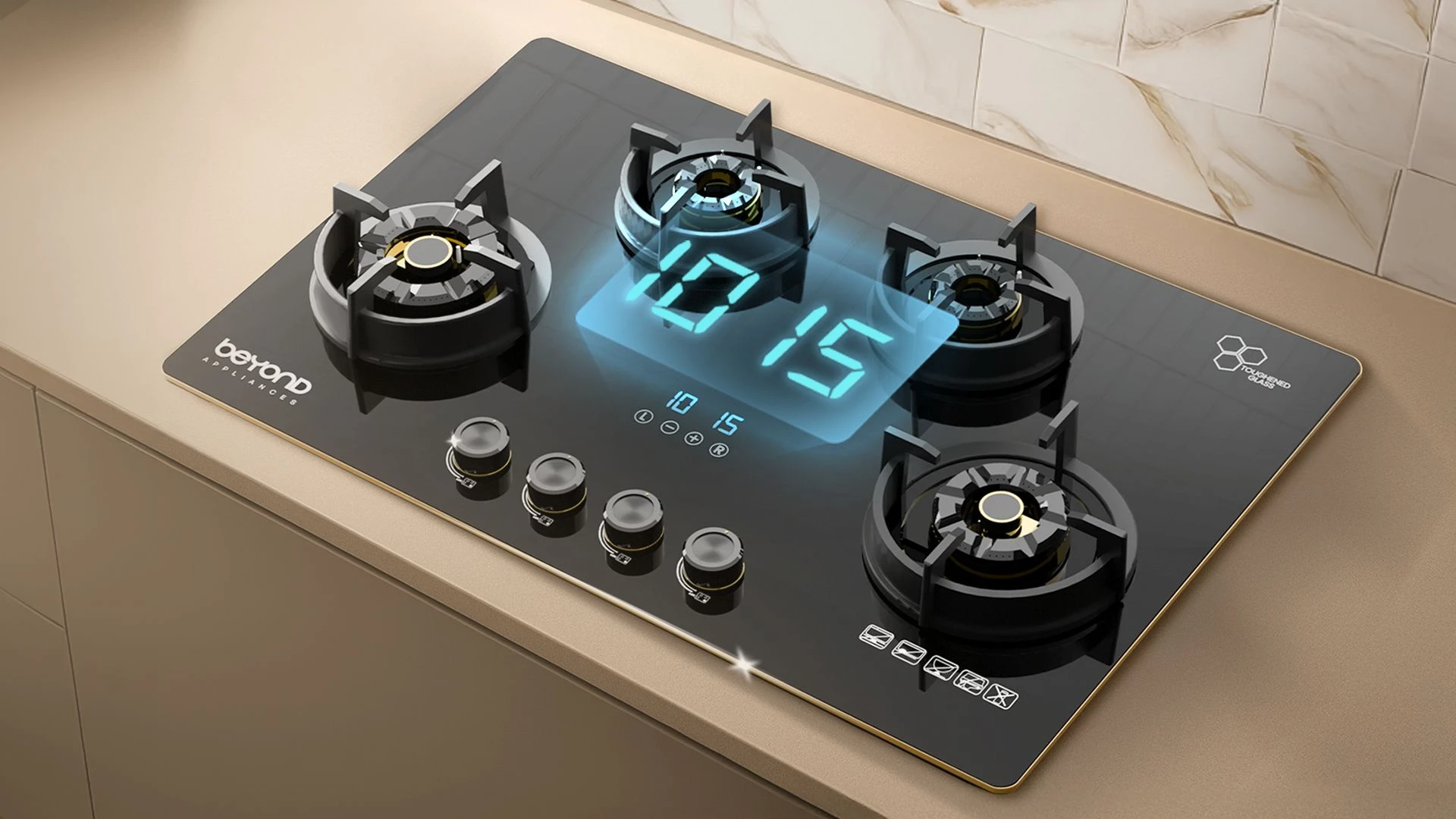
A programmable cooktop is an advanced cooking appliance that uses digital controls and smart technology to provide precise temperature management and automated cooking functions. Unlike traditional gas or electric cooktops that rely on manual flame or heat adjustments, these intelligent systems offer pre-programmed settings, timer functions, and often smartphone connectivity.
Programmable cooktops utilize sophisticated sensors and microprocessors to monitor and control cooking temperatures with remarkable accuracy. Most models feature digital displays, touch controls, and memory functions that store your preferred cooking settings. Many also include Wi-Fi connectivity, allowing remote control through smartphone apps and integration with smart home systems.
Two main categories dominate the market: induction and electric programmable models. Induction cooktops use magnetic fields to heat cookware directly, while electric versions employ advanced heating elements with digital controls. Both types offer significant advantages over traditional cooking methods, with induction models typically providing superior energy efficiency and temperature precision.
The benefits programmable cooktop technology provides extend far beyond simple convenience. These advanced appliances revolutionize kitchen efficiency through multiple innovative features that address common cooking challenges.
Digital temperature management eliminates guesswork in cooking. Advanced models maintain temperatures within one degree of your target setting, ensuring consistent results for delicate sauces, chocolate tempering, and other temperature-sensitive preparations. This precision level is impossible to achieve with traditional gas or basic electric cooktops.
Programmable cooktops, especially induction models, deliver exceptional cooktop energy savings. Induction technology transfers 85-95% of energy directly to cookware, compared to just 40-50% efficiency from gas cooktops. This efficient cooking technology can reduce energy consumption by up to 50%, leading to significant utility bill savings over time.
Built-in timers, automatic shut-off functions, and pre-programmed cooking modes streamline meal preparation. Many models include specific settings for boiling water, simmering sauces, or searing meats, automatically adjusting power levels throughout the cooking process. This automation allows multitasking while ensuring optimal cooking results.
Advanced safety features include child locks, automatic shut-off when cookware is removed, and overheating protection. Induction models remain cool to touch during cooking, significantly reducing burn risks. These safety enhancements make programmable cooktops ideal for families with children or elderly household members.
Among programmable options, induction cooktops offer the most significant advantages of induction cooking. The magnetic heating technology provides unmatched efficiency and control that traditional methods cannot match.
Induction cooktops respond immediately to temperature adjustments, heating faster than gas and cooling instantly when power is reduced. This responsiveness allows precise control over cooking processes, preventing overcooking and enabling techniques that require rapid temperature changes.
The cooking surface remains relatively cool during operation since heat is generated directly in the cookware. This feature enhances kitchen safety and makes cleanup easier, as spills don't burn onto the surface. The cool surface also helps maintain comfortable kitchen temperatures during extended cooking sessions.
Smooth glass surfaces with no crevices or grates make cleaning simple and quick. Without open flames or hot coils, food particles don't get baked onto the surface. Most spills can be wiped away with a damp cloth, significantly reducing maintenance time and effort.
The smart cooktop benefits extend beyond cooking performance to enhance overall kitchen functionality and lifestyle convenience. These appliances integrate seamlessly with modern smart home ecosystems.
Many programmable cooktops offer smartphone apps that enable remote monitoring and control. You can start preheating, adjust temperatures, or receive notifications when cooking cycles complete. This connectivity proves especially valuable for busy households where timing coordination is crucial.
Advanced models include built-in recipe databases with step-by-step cooking instructions. The cooktop automatically adjusts temperature and timing based on selected recipes, making complex dishes accessible to novice cooks while ensuring consistent results for experienced chefs.
Programmable cooktops often feature independent zone controls, allowing simultaneous cooking at different temperatures and power levels. Some models include bridge functions that combine zones for large cookware, providing flexibility for various cooking needs and pot sizes.
Selecting among the best smart cooktops requires considering several factors including kitchen size, cooking habits, and budget constraints. Understanding key features helps identify models that best match your specific needs.
Evaluate heating speed, maximum power output, and temperature range when comparing models. Higher wattage typically means faster heating, while broader temperature ranges provide more cooking versatility. Consider your typical cookware sizes and cooking methods when assessing power requirements.
Determine which smart features align with your cooking style and technology preferences. Basic models offer timer functions and preset modes, while advanced options include app control, voice activation, and integration with smart home systems. Balance desired features with budget considerations.
Induction cooktops require compatible magnetic cookware, while electric models work with all cookware types. Consider existing cookware investments and electrical requirements when making your selection. Professional installation may be necessary for some models, adding to total costs.
Programmable cooktops offer precise temperature control, energy efficiency up to 50% better than gas, automated cooking modes, enhanced safety features, and consistent results through smart technology integration. These advantages translate to better cooking outcomes, reduced energy costs, and improved kitchen safety.
Smart cooktops provide long-term savings through energy efficiency, reduced cooking time, consistent results that minimize food waste, and enhanced safety features. The precision control also extends cookware life and reduces ingredient waste from overcooking or burning.
Induction technology transfers 85-95% of energy directly to cookware, heats 50% faster than gas, offers instant temperature response, and maintains precise control throughout cooking. This efficiency results in significant energy savings and superior cooking performance.
Induction programmable cooktops require magnetic cookware like cast iron or stainless steel, while electric programmable models work with all cookware types. Many models include cookware detection features that optimize performance based on pot and pan materials and sizes.
Pre-set modes eliminate guesswork, ensure consistent results, reduce active monitoring time, and automatically adjust power levels throughout cooking. This automation allows multitasking while maintaining optimal cooking conditions for various dishes and techniques.
Programmable cooktops represent a significant advancement in kitchen technology, offering numerous benefits that enhance cooking efficiency, safety, and results. The combination of precise temperature control, energy efficiency, and smart features makes these appliances valuable investments for modern kitchens. Whether choosing induction or electric models, the automation and consistency provided by programmable technology can transform your cooking experience while delivering long-term value through energy savings and improved meal quality.
