

Perfect Roti Making: Choosing the Ideal Burner
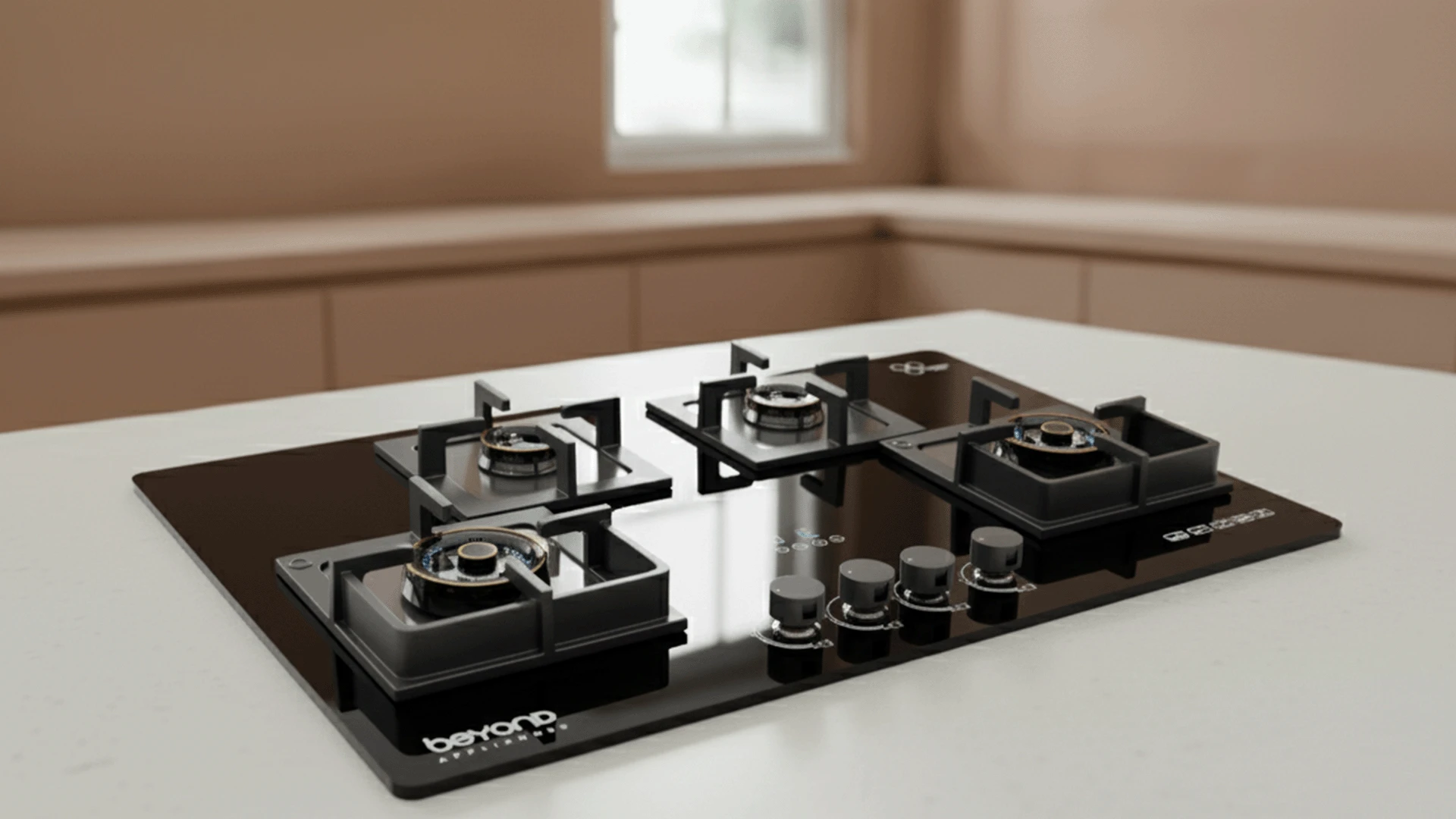
Making perfect rotis at home requires more than just the right ingredients and technique. The foundation of excellent flatbread cooking lies in choosing the ideal burner for making rotis. Whether you're dealing with unevenly cooked rotis, stubborn dough that won't puff, or burnt spots that ruin your meal, your burner selection could be the game-changer you need. The right gas stove setup transforms ordinary home cooking into restaurant-quality results, making every roti soft, evenly cooked, and perfectly puffed.
Choosing the right burner type forms the foundation of successful roti making. Different burner technologies offer unique advantages that directly impact your flatbread cooking results.
Gas burners remain the gold standard for efficient roti cooking due to their instant heat control and responsive flame adjustment. The open flame provides immediate temperature changes, allowing you to quickly increase heat for puffing or reduce it for gentle cooking. Gas flames distribute heat evenly across the tawa surface, preventing the hot spots that often plague electric alternatives.
While electric coil burners can work for roti making, they present challenges with uneven heating patterns and slower temperature response. Induction cooktops offer better control than traditional electric options but require compatible tawas with magnetic bases. The even heat burner technology in modern induction systems provides consistent results once properly calibrated.
The best burner for Indian bread combines specific technical features that enhance cooking performance. Understanding these characteristics helps you make informed decisions about your kitchen setup.
Burner capacity significantly affects roti cooking efficiency. Small burners under 8,000 BTU work well for precision cooking and energy conservation but may require longer preheating times. Medium burners ranging from 8,000 to 12,000 BTU represent the sweet spot for home roti making tips, providing adequate heat without overwhelming smaller tawas. Large burners exceeding 12,000 BTU deliver commercial-style performance, ideal for frequent cooking or larger flatbreads.
Multi-ring flame patterns ensure even heat distribution across your tawa surface. Gas burner types with brass burner heads offer superior heat retention compared to aluminum alternatives, while cast iron options provide exceptional durability. The flame stability directly impacts temperature consistency, preventing the fluctuations that cause uneven cooking.
Successful flatbread cooking requires proper coordination between your burner and tawa choice. This relationship affects heat transfer efficiency and cooking results.
Cast iron tawas work exceptionally well with medium to high-output gas burners, as they require substantial heat to reach optimal cooking temperature. Carbon steel options heat more quickly and pair effectively with medium burners, while non-stick varieties need gentler heat to preserve their coating. The roti tawa burner combination should match the thermal mass of your cooking surface.
Proper sizing ensures efficient heat transfer and energy usage. Eight-inch tawas work best with small to medium burners, while 10-12 inch surfaces require medium to large burner capacity. Oversized tawas on small burners create uneven heating, while small tawas on large burners waste energy and may overheat.
Technology has introduced new options for roti making that complement or replace traditional gas burner setups. These smart cooking appliances offer convenience and consistency benefits.
Dedicated roti maker appliances provide automated temperature control and consistent results. These devices eliminate guesswork by maintaining optimal cooking temperatures throughout the process. While they offer convenience, they may lack the flexibility of traditional gas stove for roti setups that allow for technique variations and multiple cooking styles.
Commercial chapati bhatti systems bring restaurant-quality capabilities to home kitchens. These multi-burner setups enable bulk cooking while maintaining consistent quality across multiple rotis. The investment in professional equipment pays off for families who regularly prepare large quantities of flatbreads.
Even with the right equipment, cooking challenges can arise. Understanding how to diagnose and resolve burner-related problems ensures consistent roti quality.
Uneven flame patterns often indicate burner maintenance needs. Clogged gas ports create irregular heat distribution, leading to hot spots on your tawa. Regular cleaning of burner heads and flame ports maintains optimal performance. Proper tawa positioning over the flame center ensures even heat exposure across the cooking surface.
Achieving perfect puffing requires precise heat management. Start with medium heat for initial cooking, then increase to high heat for the final puffing stage. This technique works across different gas burner types and ensures consistent results. Practice flame adjustment timing to develop the muscle memory needed for efficient cooking.
Regardless of your burner type, certain techniques enhance roti quality and cooking efficiency. These methods work across different equipment configurations.
Proper preheating sets the foundation for successful roti making. Allow 3-5 minutes for gas burners to reach stable temperature, longer for electric options. Test readiness by sprinkling water drops on the tawa - they should sizzle and evaporate quickly. Flour dust can also indicate proper temperature when it browns lightly within seconds.
Effective heat control involves adjusting flame intensity based on cooking stage. Begin with medium heat for initial placement and cooking, increase for puffing, then reduce for final warming. This rhythm becomes natural with practice and works regardless of your specific burner configuration.
Medium burners with 8,000-12,000 BTU capacity provide the ideal balance of heat output and control for most home cooking needs. They heat tawas efficiently without overwhelming smaller cooking surfaces.
While gas burners offer superior control, electric stoves can produce good rotis with proper technique. Induction cooktops perform better than traditional coil burners due to more even heat distribution.
Regular cleaning of burner heads and gas ports prevents clogging that causes uneven flames. Monthly deep cleaning with appropriate tools maintains consistent heat distribution and prevents cooking problems.
Excessive heat causes immediate browning or burning of roti surfaces before proper cooking occurs. Reduce flame if rotis develop dark spots within the first 30 seconds of cooking.
Selecting the ideal burner for making rotis involves balancing heat output, flame control, and compatibility with your preferred tawa. Gas burners generally provide superior results due to instant heat adjustment and even flame distribution. Medium-capacity burners offer the best combination of power and precision for home cooking. Regular maintenance and proper technique maximize performance regardless of your chosen burner type. With the right setup and practice, achieving restaurant-quality rotis at home becomes an achievable daily reality.
