

Mastering Kitchen Air: Reduce Cooking Pollution Guide
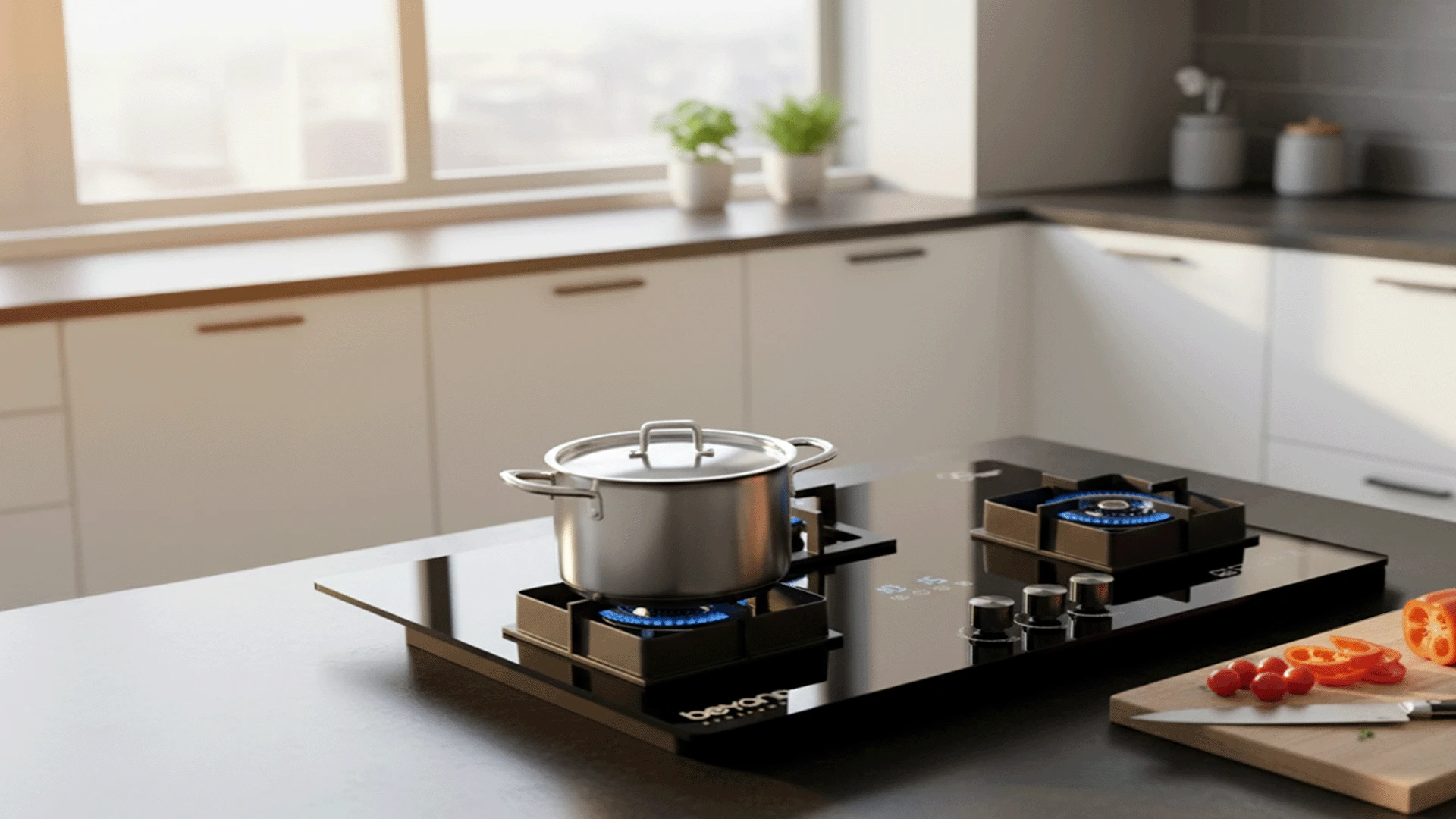
Cooking at home brings joy and nourishment, but it also introduces invisible pollutants into your living space. Indoor air pollution from cooking affects millions of households daily, yet many remain unaware of its impact on health and comfort. From gas stove emissions to frying smoke, your kitchen activities release particles and gases that can linger for hours. Understanding these pollution sources and implementing effective solutions transforms your cooking experience while protecting your family's wellbeing. This comprehensive guide reveals practical strategies to minimize cooking emissions and maintain cleaner indoor air quality throughout your home.
Every cooking method releases different types of pollutants into your kitchen air. Stove pollution varies significantly between gas and electric appliances, with gas stoves producing nitrogen dioxide, carbon monoxide, and fine particles even when functioning properly.
Cooking activities generate multiple air contaminants that affect indoor air quality. PM2.5 particles from frying and grilling penetrate deep into lungs, while volatile organic compounds from heated oils create persistent odors. Nitrogen dioxide from gas burners can trigger respiratory symptoms, especially in children and elderly family members.
Gas stoves consistently produce higher pollution levels than electric alternatives. Studies show gas cooking increases nitrogen dioxide concentrations by 50-400% above outdoor levels. Electric stoves eliminate combustion pollutants but still generate particles from food preparation and oil heating.
Certain cooking techniques create more cooking fumes than others. Deep frying, stir-frying at high temperatures, and grilling indoors produce the highest particle concentrations. Blackened or charred foods release additional toxic compounds that persist in kitchen air for extended periods.
Household air pollution from cooking often goes unnoticed because many harmful particles remain invisible to the naked eye. These microscopic pollutants circulate throughout your home via air currents, affecting rooms far from the kitchen.
Poor ventilation allows cooking pollutants to migrate beyond the kitchen through doorways, vents, and air circulation systems. Open floor plans accelerate this spread, carrying particles and odors into living areas and bedrooms. Without proper containment, cooking emissions can affect indoor air quality throughout your entire home.
Children, elderly individuals, and people with respiratory conditions face heightened risks from cooking pollution exposure. Their developing or compromised respiratory systems process pollutants less effectively, leading to increased symptoms and potential long-term health impacts.
Prolonged exposure to cooking pollutants contributes to respiratory problems, cardiovascular issues, and reduced lung function. Research links chronic exposure to cooking emissions with increased asthma rates and other breathing difficulties, particularly in poorly ventilated homes.
Kitchen ventilation serves as your primary defense against cooking pollution, but effectiveness depends on proper selection, installation, and maintenance. Modern chimney systems offer superior performance compared to basic exhaust fans.
Different chimney designs provide varying levels of pollution control. Wall-mounted chimneys offer powerful suction for heavy cooking, while island chimneys handle open kitchen layouts effectively. Curved and slant chimneys combine style with functionality, ensuring efficient smoke capture without compromising kitchen aesthetics.
Correct chimney installation maximizes pollution removal efficiency. Professional installation ensures optimal height positioning, proper ductwork connections, and adequate airflow capacity. Poorly installed systems create backdrafts and reduce effectiveness, allowing pollutants to escape into living spaces.
Regular chimney maintenance preserves air cleaning capabilities and extends equipment life. Clean filters monthly during heavy cooking periods, inspect ductwork annually, and replace worn components promptly. Well-maintained systems remove up to 95% of cooking pollutants when operating correctly.
Supplementing ventilation with targeted air purifier for cooking applications provides additional protection against lingering pollutants. Strategic placement and proper sizing ensure maximum effectiveness in kitchen environments.
HEPA filters capture fine particles from cooking activities, while activated carbon filters absorb odors and volatile compounds. Combined filtration systems address both particle and gas-phase pollutants, providing comprehensive air cleaning for cooking environments.
Proper air purifier sizing depends on kitchen volume and cooking intensity. Position units away from direct cooking heat but within the pollution zone for optimal capture. Multiple smaller units often outperform single large systems in complex kitchen layouts.
Regular filter replacement maintains purifier effectiveness and prevents pollutant buildup. Calculate ongoing costs including electricity consumption and filter replacements when selecting systems. Energy-efficient models reduce operating expenses while maintaining air cleaning performance.
Healthy cooking practices significantly reduce pollution generation while maintaining food quality and flavor. Simple technique modifications create cleaner kitchen air without sacrificing culinary results.
Steaming, poaching, and slow cooking produce minimal air pollutants compared to high-heat methods. Use lids when possible to contain steam and particles, and avoid overheating oils beyond their smoke points. These efficient cooking methods preserve nutrients while protecting air quality.
Maintaining appropriate cooking temperatures prevents excessive smoke and particle generation. Use medium heat for most cooking tasks, and preheat pans gradually to avoid oil breakdown. Proper temperature management reduces both pollution and energy consumption.
Choose high-quality oils with higher smoke points for high-heat cooking applications. Non-stick cookware reduces oil requirements, while cast iron and stainless steel provide even heating with minimal emissions. Fresh ingredients produce less smoke than processed alternatives during cooking.
Reducing cooking pollution requires comprehensive approaches that address multiple pollution sources simultaneously. Advanced strategies combine technology, design, and behavioral modifications for maximum effectiveness.
Smart ventilation systems automatically adjust fan speeds based on cooking activity and air quality measurements. Integration with cooking appliances enables proactive pollution control, activating ventilation before pollutant levels rise significantly.
Commercial-quality ventilation systems provide superior performance for serious home cooks. High-capacity chimneys with variable speed controls handle intensive cooking while maintaining quiet operation during light use.
Open kitchen designs require enhanced ventilation capacity to prevent pollution spread. Consider dedicated cooking zones with enhanced exhaust systems, and ensure adequate makeup air to maintain proper ventilation performance.
Opening windows provides natural ventilation but may not effectively remove all cooking pollutants. Cross-ventilation works best when combined with mechanical exhaust systems for comprehensive pollution control.
Fine particles can remain airborne for several hours without proper ventilation. Larger particles settle within 30-60 minutes, while odors and gases may persist longer depending on air circulation and filtration.
Gas stoves produce measurable pollutants including nitrogen dioxide and carbon monoxide. While modern stoves meet safety standards, proper ventilation remains essential for maintaining healthy indoor air quality.
Portable air quality monitors measure particle concentrations and gas levels in real-time. Professional assessments provide comprehensive analysis, while simple particle counters offer basic monitoring capabilities for home use.
Yes, cooking pollutants spread throughout homes via air circulation systems and natural airflow. Open floor plans and central air systems accelerate this distribution, making whole-home air quality management important.
Clean metal filters monthly with heavy cooking, or every 2-3 months for moderate use. Replace disposable filters according to manufacturer recommendations, typically every 3-6 months depending on cooking frequency.
Mastering kitchen air quality requires understanding pollution sources, implementing effective ventilation, and adopting cleaner cooking practices. Proper chimney installation and maintenance form the foundation of pollution control, while supplemental air purification addresses remaining contaminants. Simple cooking technique modifications significantly reduce pollution generation without compromising food quality. Regular maintenance of ventilation equipment ensures continued effectiveness and protects your family's health. Investing in quality ventilation systems and following best practices creates a cleaner, healthier cooking environment for years to come.
