

Mastering Gas Flames at High Altitude: A Guide
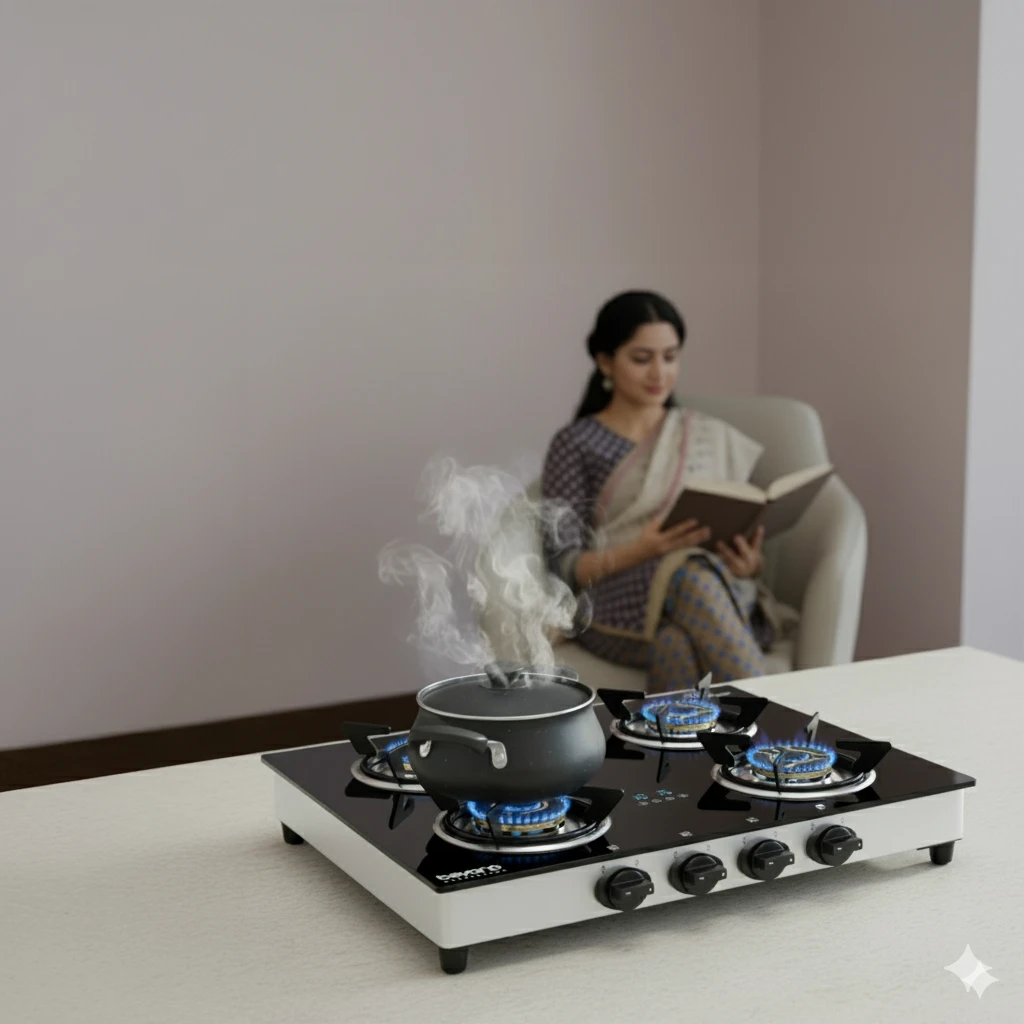
Living at high altitude brings unique challenges for home cooking enthusiasts. Many homeowners discover that their gas appliances don't perform the same way they did at sea level. The question "does high altitude affect gas flame" becomes crucial when your cooking times increase and flame quality diminishes. Understanding these changes helps you adapt your cooking methods and maintain kitchen efficiency. Whether you're relocating to a mountain home or troubleshooting existing gas stove issues, mastering altitude cooking requires specific knowledge and adjustments.
The relationship between elevation and gas combustion is rooted in basic physics. As altitude increases, atmospheric pressure decreases significantly, creating a cascade of effects on your gas appliances.
At sea level, oxygen comprises about 21% of the atmosphere. However, at 8,000 feet elevation, effective oxygen levels drop to approximately 16%. This reduction directly impacts combustion efficiency in your gas stove. Lower air density means less oxygen is available for the gas-air mixture, resulting in incomplete combustion. Barometric pressure changes also affect how gas flows through your appliance's orifices and mixing chambers. These scientific factors combine to create noticeable performance differences in your high altitude kitchen.
Several clear indicators reveal when altitude affects your gas flame quality: • Yellow or orange flames instead of crisp blue flames • Uneven flame distribution across burner rings • Noticeably reduced heat intensity • Longer ignition times when lighting burners • Increased soot buildup on cookware bottoms • Flickering or unstable flame patterns These symptoms indicate your gas stove needs altitude-specific adjustments for optimal performance.
One of the most significant impacts of elevation involves how altitude and boiling point interact. This relationship affects every aspect of cooking, from pasta preparation to food safety protocols.
Water boils at 212°F at sea level, but this temperature drops approximately 2°F for every 1,000 feet of elevation gain. At 8,000 feet, water boils at just 194°F. This dramatic difference means liquids evaporate faster and cooking times extend significantly. Steam pressure also varies, affecting how pressure cookers and steamers function. Understanding these changes helps you adjust recipes and cooking methods appropriately.
Reduced boiling temperatures create multiple cooking complications: • Pasta and grains require longer cooking times • Browning and searing become less effective • Baking results change due to faster moisture evaporation • Food textures may become different than expected • Recipe timing becomes unreliable without adjustments These challenges require systematic approach modifications for successful altitude cooking.
Proper gas stove calibration ensures optimal performance at elevation. Both professional and DIY approaches can improve your appliance's functionality.
Certified technicians can make precise adjustments to optimize your gas stove for altitude. Air shutter modifications control the air-to-gas ratio, ensuring proper combustion. Primary air intake adjustments help maintain blue flame color and consistent heat output. In some cases, orifice size changes may be necessary to regulate gas flow appropriately. Professional calibration ensures safety compliance and optimal performance for your specific elevation.
Several maintenance tasks can improve gas stove performance: • Clean burner ports and caps regularly to ensure proper gas flow • Check gas line connections for leaks or pressure issues • Select heavy-bottomed cookware for better heat distribution • Improve kitchen ventilation to support better combustion • Adjust cooking techniques to compensate for reduced heat output These simple steps often resolve minor altitude-related performance issues.
Successful high-altitude cooking requires systematic adjustments to temperature, timing, and techniques. These modifications help overcome the challenges posed by reduced air pressure and lower boiling points.
Increase cooking temperatures by 15-25°F to compensate for reduced heat efficiency. Reduce total cooking times by 5-8 minutes per 1,000 feet of elevation to prevent overcooking. Pressure cooking becomes particularly valuable at altitude, as it maintains higher internal pressures for faster cooking. Adjust liquid ratios in recipes, typically increasing by 2-4 tablespoons per cup at elevations above 5,000 feet.
Choose cookware materials that retain and distribute heat effectively. Cast iron and heavy-gauge stainless steel perform well at altitude. Use lids more frequently to retain heat and moisture during cooking. Verify thermometer accuracy, as some models may read differently at various elevations. Consider alternative cooking methods like slow cooking or braising when gas flames underperform consistently.
Identifying and resolving gas stove problems at altitude requires systematic diagnosis. Understanding when professional help is necessary ensures both safety and optimal performance.
Incomplete combustion creates safety hazards and reduces cooking efficiency. Yellow or orange flames indicate insufficient oxygen mixing with gas. Carbon monoxide production increases with poor combustion, making proper ventilation critical. Flame stability problems often stem from dirty burner components or incorrect air-to-gas ratios. Establish regular maintenance schedules to prevent these issues from developing.
Some older gas stoves cannot be adequately adjusted for high-altitude performance. Signs include persistent flame color problems despite professional adjustment, significantly reduced heat output, and frequent ignition failures. High-altitude certified appliances are specifically designed for elevation performance. Consider upgrade costs against ongoing efficiency losses and potential safety concerns. Professional installation ensures proper setup and compliance with local codes.
Safety becomes paramount when dealing with gas appliances at high elevation. Proper precautions protect your family while ensuring optimal cooking performance.
Adequate ventilation becomes more critical at altitude due to reduced air density. Install carbon monoxide detectors near gas appliances and check batteries regularly. Learn emergency shut-off procedures for your gas supply system. Schedule annual professional inspections to verify safe operation and proper adjustments. Never attempt major gas line modifications without certified technician assistance.
Lower boiling points affect food safety protocols significantly. Internal temperature guidelines remain the same, but achieving them may take longer. Pressure cooking helps ensure proper food safety temperatures are reached efficiently. Consider water quality changes at altitude, as some areas require filtration for optimal cooking results. Store perishables carefully, as lower air pressure can affect packaging integrity.
Yes, reduced oxygen levels at high altitude cause gas flames to burn yellow or orange instead of blue, and with noticeably less intensity than at sea level.
Most gas appliances begin showing performance changes above 3,000 feet elevation, with significant adjustments typically needed above 5,000 feet.
Basic maintenance like cleaning burner ports helps, but air-to-gas ratio adjustments require professional calibration for safety and optimal performance.
Water reaches its lower boiling point faster, but the reduced temperature means food cooks more slowly despite the rapid boiling action.
Yes, gas furnaces, water heaters, and cooking appliances all require adjustments for optimal performance and safety at high elevation.
Professional calibration typically costs between INR 3,000-8,000, depending on the complexity of adjustments needed and local service rates.
Mastering gas flame performance at high altitude requires understanding the science behind air pressure changes and their effects on combustion. Regular maintenance, proper adjustments, and modified cooking techniques help overcome altitude-related challenges. Professional calibration ensures safety and optimal performance, while DIY maintenance keeps your system running smoothly. Remember that food safety protocols remain critical, even with adjusted cooking methods. With proper knowledge and preparation, high-altitude cooking can be just as efficient and enjoyable as sea-level cooking.
