

Mastering Burner Size: Impact on Food Taste Guide
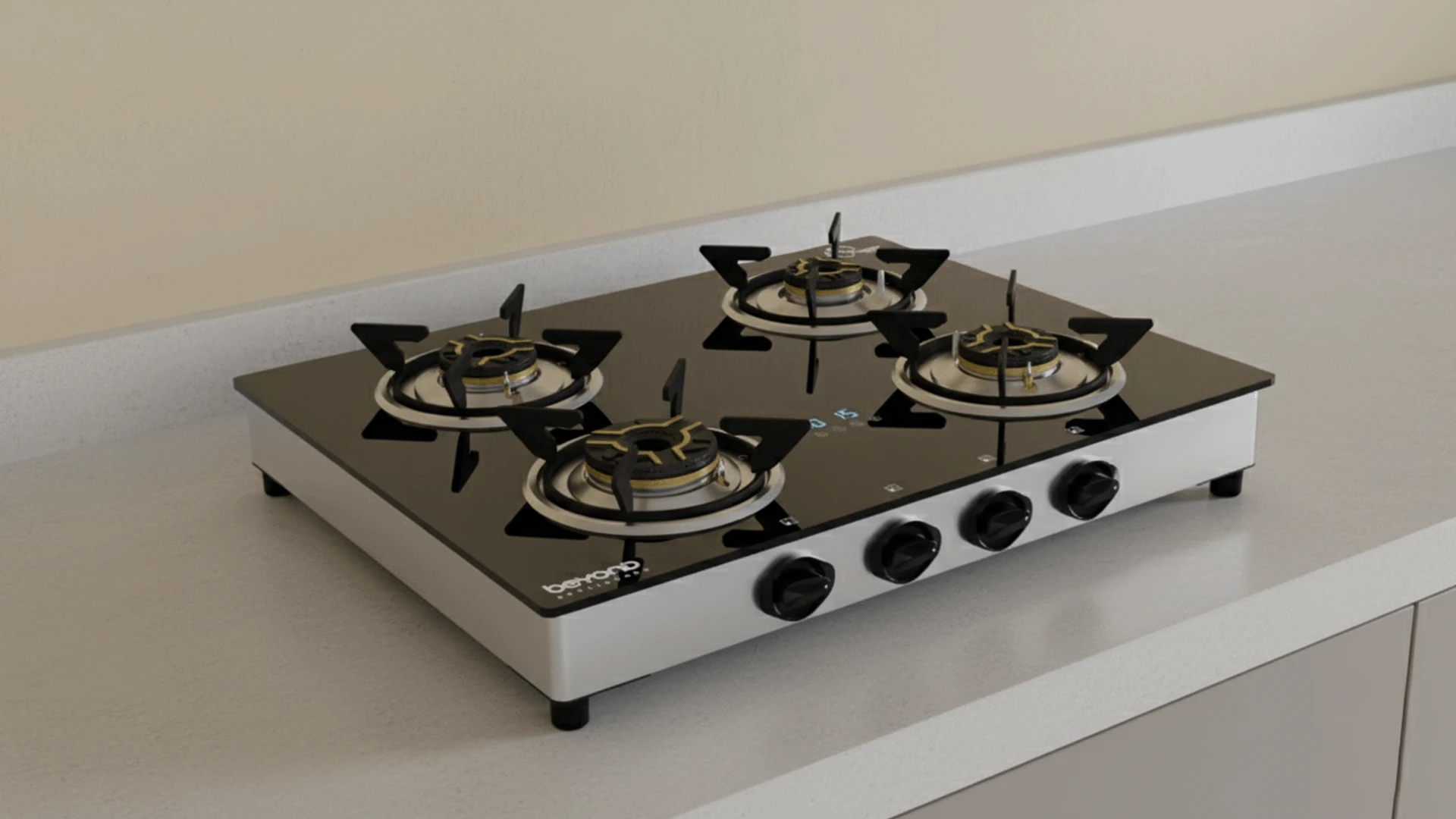
The way heat transfers from your stove to your cookware plays a crucial role in how your food tastes. Many home cooks overlook this fundamental aspect of cooking, yet does burner size impact taste of food is a question that directly affects every meal you prepare. The relationship between your burner's size, your cookware, and the final flavor of your dishes is more complex than most people realize. Understanding this connection can transform your cooking from average to exceptional, helping you achieve restaurant-quality results in your own kitchen.
The size of your burner creates the foundation for how heat distributes across your cookware, which in turn determines how evenly your food cooks. When you understand burner size and cooking relationships, you gain control over texture, flavor development, and cooking efficiency.
Heat transfer in cooking follows specific scientific principles that directly impact taste. When a burner matches your cookware size properly, heat spreads evenly across the bottom surface. This even distribution allows proteins to denature uniformly and enables the Maillard reaction to occur consistently across your food's surface. The Maillard reaction creates those delicious brown, caramelized flavors that make food taste rich and complex. Poor heat distribution from mismatched burner sizes creates hot spots and cold zones, leading to uneven browning and inconsistent flavors.
Using the wrong burner size creates several issues that affect food quality. Hot spots develop when flames extend beyond your cookware's base, while cold zones appear when burners are too small. These temperature variations cause uneven browning, with some areas burning while others remain undercooked. Your cooking time becomes inefficient, and you waste energy heating air instead of your food.
Different burner types behave uniquely, and understanding these differences helps you optimize your cooking technique. Each type offers distinct advantages for cooking temperature control and heat management.
Gas burner efficiency comes from instant heat adjustment and direct flame contact. Gas flames provide immediate temperature changes when you adjust the control knob, giving you precise control over cooking intensity. The flame size should ideally match your cookware's bottom diameter for optimal heat transfer. Gas burners excel at high-heat cooking methods like stir-frying and searing because they respond instantly to adjustments.
Electric stove heat distribution works differently than gas, using heated coils or smooth glass surfaces to transfer energy. Electric elements take time to heat up and cool down, but they provide very consistent temperatures once stabilized. The heating element should closely match your cookware size to prevent energy waste and ensure even cooking. Electric stoves excel at maintaining steady temperatures for simmering and slow cooking.
Induction cooktops use magnetic fields to heat compatible cookware directly. This technology provides precise temperature control and efficient energy transfer, but requires magnetic cookware materials like cast iron or stainless steel. The induction zone size should match your cookware for optimal performance.
Matching your cookware to the right burner size creates the foundation for excellent cooking results. The optimal burner size for pots depends on your cookware's base diameter and the cooking method you're using.
The ideal ratio places your cookware's base diameter slightly larger than the burner or flame spread. For gas stoves, flames should reach about 75% of your pan's bottom diameter. Electric elements should cover 60-70% of your cookware's base. This ratio ensures efficient heat transfer while preventing energy waste and hot spots.
Pans measuring 6-8 inches work best on small burners producing 3,000-6,000 BTUs. Use these combinations for delicate cooking tasks like melting butter, warming sauces, or cooking eggs. Small burners provide gentle, controlled heat that prevents scorching.
Cookware measuring 9-11 inches pairs well with medium burners producing 6,000-10,000 BTUs. These combinations handle most everyday cooking tasks including sautéing vegetables, cooking pasta, and preparing one-pan meals. Medium burners offer versatility for various cooking techniques.
Pans 12 inches and larger need high-output burners producing 10,000+ BTUs for proper heating. Large cookware requires substantial heat input to maintain temperature when cooking for multiple people. Professional-style burners excel at heating large pans quickly and maintaining high temperatures.
Adapting your cooking methods to your available burner sizes improves results significantly. Efficient cooking techniques help you work with your equipment's strengths rather than fighting against limitations.
Small burners excel at gentle cooking methods requiring precise temperature control. Preheat your cookware gradually to prevent hot spots, and use lower heat settings for longer periods. These burners work perfectly for melting chocolate, making custards, or keeping sauces warm without breaking.
High-output burners provide the intense heat needed for professional cooking techniques. Use them for rapid boiling, searing meats, and stir-frying vegetables. Start with high heat to build temperature quickly, then adjust as needed to maintain optimal cooking conditions.
Cooking with different burner sizes simultaneously allows you to prepare complex meals efficiently. Use large burners for your main cooking tasks while small burners handle sauces and sides. This approach mimics professional kitchen workflows and improves your timing.
Different cooking techniques benefit from specific burner characteristics. Understanding how food taste and burner type interact helps you choose the best approach for each dish.
These high-heat cooking methods require responsive temperature control and intense heat output. Gas burners excel here because flames adjust instantly when you change settings. The burner should provide enough heat to maintain pan temperature even when adding cold ingredients.
Gentle cooking methods need consistent, low heat over extended periods. Electric burners often perform better for these applications because they maintain steady temperatures without fluctuation. The impact of cookware on burner performance becomes crucial for even heat distribution during long cooking times.
Searing and rapid boiling demand maximum heat output from your burners. Professional-grade burners producing 15,000+ BTUs create the intense heat needed for proper searing. Home cooks can achieve similar results by using their highest-output burners with appropriate cookware.
Not necessarily. While larger burners typically produce more heat, cooking speed depends on matching the burner size to your cookware. An oversized burner can waste energy and create uneven heating if your pan is too small.
You can, but results will vary significantly. Stove burner effects on food become most apparent when sizes are mismatched. Small pans on large burners waste energy, while large pans on small burners cook unevenly.
Look for uneven browning, hot spots, or areas that cook faster than others. If your food consistently burns in certain spots or takes much longer than recipes suggest, burner sizing might be the issue.
BTU ratings indicate heat output potential, but actual performance depends on burner design, cookware compatibility, and heat distribution patterns. A well-designed medium burner often outperforms a poorly designed high-BTU burner.
Start by optimizing your cookware selection for your current burners. If you consistently need capabilities your stove can't provide, then consider upgrading to a model with better burner variety and output.
Understanding how burner size impacts food taste empowers you to make better cooking decisions every day. The relationship between your burners, cookware, and cooking techniques creates the foundation for consistently excellent results. Whether you're working with gas, electric, or induction burners, matching sizes appropriately and adapting your techniques accordingly will improve your cooking significantly. Remember that the best cooking equipment is the equipment you understand and use properly, regardless of its price point or complexity.
