

Master Kitchen Ventilation: Clean Air Cooking Guide
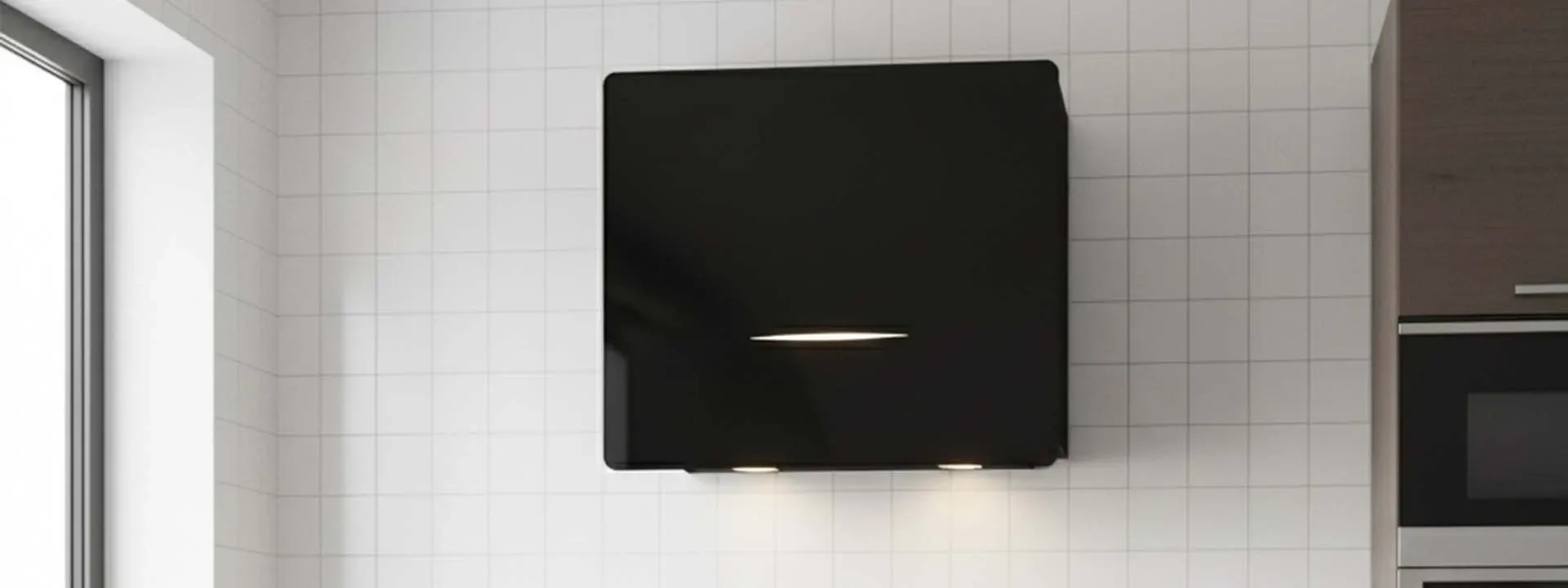
Good kitchen air quality affects your health more than you might think. During cooking, indoor air pollution can become 2-5 times worse than outdoor air. Cooking fumes, grease particles, and gas emissions create a toxic mix that impacts your family's wellbeing. The good news is that effective kitchen air quality solutions exist to transform your cooking space into a clean, healthy environment. From proper ventilation systems to smart cooking techniques, this guide covers everything you need to breathe easier while cooking. Whether you're dealing with stubborn kitchen odors or want to protect your family from harmful cooking fumes, these proven strategies will help you master kitchen ventilation and enjoy clean air cooking every day.
Kitchen air pollution comes from multiple sources that many homeowners overlook. Every time you cook, you release particles and gases that can harm your health. Understanding these pollutants helps you choose the right kitchen air quality solutions for your home.
Cooking fumes contain fine particles called PM2.5 and PM10 that penetrate deep into your lungs. Gas stoves release nitrogen dioxide, which can trigger asthma attacks. Grease particles from frying create sticky residues that trap other pollutants. Volatile organic compounds from cleaning products add another layer of contamination to your kitchen air.
Poor indoor air quality causes immediate symptoms like eye irritation, headaches, and breathing difficulties. Long-term exposure leads to serious health problems including respiratory diseases and cardiovascular issues. Children and elderly family members face higher risks from kitchen air pollution. Studies show that homes without proper kitchen ventilation have significantly higher rates of respiratory problems.
Proper kitchen ventilation forms the foundation of any effective air quality strategy. The right ventilation systems remove pollutants at their source before they spread throughout your home. Modern range hoods and ventilation solutions offer powerful protection against cooking fumes and kitchen odors.
A quality range hood serves as your primary defense against cooking fumes. Ducted models provide superior performance by exhausting polluted air outside your home. Calculate the required CFM (cubic feet per minute) by multiplying your kitchen's square footage by 2. For heavy cooking, increase this number by 50%. Position your range hood 24-30 inches above gas cooktops and 20-24 inches above electric surfaces for optimal capture.
Natural ventilation supplements mechanical systems and reduces energy costs. Open windows on opposite sides of your kitchen to create cross-ventilation during cooking. Use exhaust fans in adjacent rooms to help draw polluted air away from living spaces. Strategic door positioning can direct airflow and prevent cooking odors from spreading to other areas.
Modern kitchen air purifiers use advanced filtration technology to remove particles and odors that ventilation systems miss. These devices work continuously to maintain clean indoor air quality, even when you're not cooking. Smart features and automated controls make it easier than ever to maintain healthy air in your kitchen.
HEPA filters capture 99.97% of particles larger than 0.3 microns, including cooking fumes and grease particles. Activated carbon filters absorb kitchen odors and volatile organic compounds. Look for kitchen air purifiers with both filter types for comprehensive protection. Calculate the Clean Air Delivery Rate (CADR) needed by multiplying your kitchen's square footage by 1.5.
Place air purifiers away from cooking surfaces but within the kitchen's air circulation pattern. Smart sensors can automatically adjust purification levels based on detected pollutants. Some models integrate with home automation systems to coordinate with range hoods and HVAC systems. Position units at least 3 feet from walls and obstacles for optimal airflow.
Your cooking methods significantly impact indoor air quality. Simple changes in technique and equipment choices can dramatically reduce cooking fumes and kitchen odors. These strategies work alongside ventilation systems to create a comprehensive clean air cooking environment.
Use back burners when possible, as range hoods capture fumes more effectively from rear cooking surfaces. Cover pots and pans to reduce steam and particle emissions. Lower cooking temperatures prevent excessive smoke and fume generation. Induction cooktops produce fewer emissions than gas stoves and offer precise temperature control.
Non-stick cookware reduces the need for high-heat cooking that generates more fumes. Regular cleaning of cooking surfaces prevents buildup that creates smoke during heating. Use splatter screens to contain grease particles. Choose cooking oils with higher smoke points to minimize harmful emissions during high-temperature cooking.
Regular monitoring and maintenance ensure your air quality solutions continue working effectively. Smart monitoring devices provide real-time data about your kitchen's air quality. Proper maintenance schedules keep your ventilation systems and air purifiers operating at peak performance.
Smart air quality monitors track PM2.5, VOCs, and humidity levels in real-time. Many devices send alerts to your smartphone when air quality drops below healthy levels. Professional air quality testing provides comprehensive analysis of your kitchen's air pollution sources. Monitor trends over time to identify patterns and optimize your air quality solutions.
Clean range hood filters monthly or replace disposable filters every 3 months. Schedule professional duct cleaning annually to remove accumulated grease and debris. Replace air purifier filters according to manufacturer recommendations, typically every 6-12 months. Check and clean exhaust fan vents quarterly to maintain proper airflow.
Effective kitchen air quality solutions don't require massive investments. Many simple, affordable changes provide immediate improvements in indoor air quality. Start with these cost-effective strategies before investing in expensive equipment.
Open windows during and after cooking to naturally ventilate your kitchen. Use exhaust fans in bathrooms and other rooms to create negative pressure that draws polluted air away. Place bowls of activated charcoal or baking soda near cooking areas to absorb odors. Switch to natural cleaning products that don't release harmful VOCs.
Portable air purifiers offer flexibility and cost less than whole-house systems. Window exhaust fans provide additional ventilation for under INR 5,000. Upgrade to efficient cooking ventilation with basic range hood models starting around INR 8,000. Air quality monitoring devices help you track improvements and optimize your strategies.
Run your exhaust fan during cooking and for 15-20 minutes afterward to remove lingering pollutants. For heavy cooking like frying or grilling, extend operation time to 30 minutes after cooking ends.
Yes, kitchen air purifiers with activated carbon filters effectively remove cooking odors and volatile organic compounds. Choose models specifically designed for kitchen use with higher CADR ratings for cooking-related pollutants.
Combine a properly sized range hood with natural ventilation through windows. Portable air purifiers supplement ventilation in compact spaces. Focus on immediate pollutant removal rather than whole-house systems.
Signs include lingering cooking odors, visible smoke or steam, condensation on windows, and respiratory irritation during or after cooking. Air quality monitors provide objective measurements of pollutant levels.
Certain plants like spider plants and pothos can absorb some indoor air pollutants, but they're not effective against cooking fumes. Use plants as supplementary air quality solutions alongside proper ventilation systems.
Mastering kitchen ventilation requires a comprehensive approach combining proper equipment, smart cooking techniques, and regular maintenance. Start with basic ventilation improvements and gradually add advanced air quality solutions based on your needs and budget. Remember that consistent use of ventilation systems during cooking provides the most significant impact on indoor air quality. Monitor your progress with air quality testing and adjust your strategies as needed. Clean air cooking protects your family's health while making your kitchen a more pleasant space for meal preparation.
