

Master Kitchen Smoke Control: Complete Tutorial
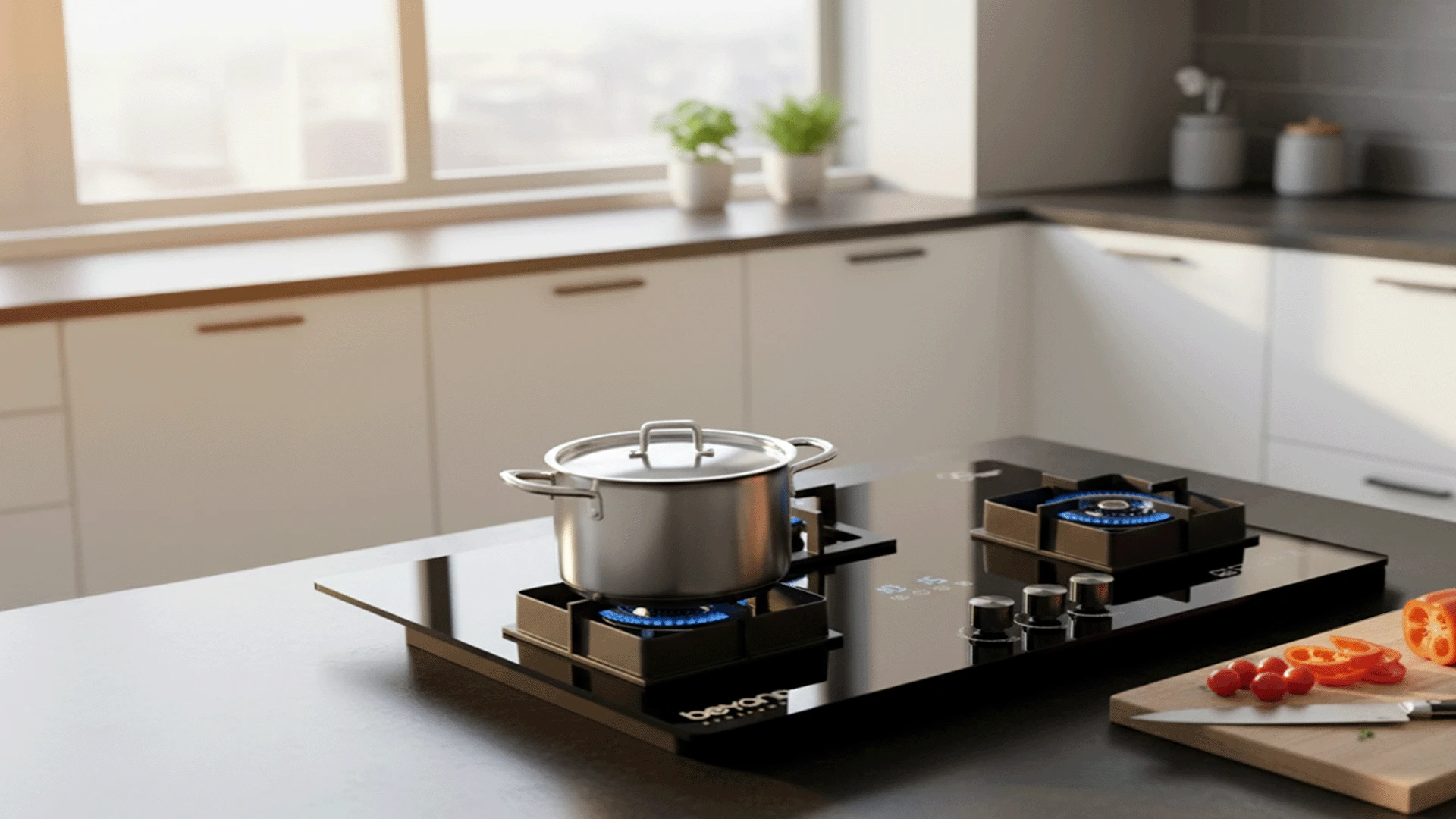
Cooking in your kitchen should be a joyful experience, not a battle against smoke and odors. Whether you're searing steaks, deep-frying snacks, or simply boiling water, proper kitchen smoke control methods can transform your cooking space into a comfortable, healthy environment. Modern homes face unique challenges with indoor air quality cooking concerns, making effective ventilation more important than ever. The right combination of equipment and techniques ensures your family breathes clean air while you create delicious meals. Understanding how different systems work together helps you make informed decisions about your kitchen's ventilation needs.
Every cooking method produces different types of airborne particles that require specific removal strategies. Cooking fumes removal becomes critical when you consider the variety of pollutants generated during food preparation. Gas burners create combustion byproducts, while oil-based cooking releases grease particles that can settle on surfaces and affect air quality.
Grease particles from frying and sautéing create the most persistent odors and stains. These microscopic droplets float in the air and eventually settle on cabinets, walls, and other surfaces. Steam and moisture from boiling, steaming, and simmering add humidity that can lead to condensation problems. Gas cooking produces carbon monoxide and nitrogen dioxide, which require immediate extraction for safety.
Poor ventilation affects respiratory health, especially for family members with asthma or allergies. Accumulated cooking fumes can trigger breathing difficulties and eye irritation. Long-term exposure to cooking pollutants may contribute to more serious health issues. Fire safety risks increase when grease particles accumulate near heat sources.
Kitchen ventilation systems work by capturing pollutants at their source and removing them from your cooking space. Modern ventilation systems offer multiple approaches to address different kitchen layouts and cooking styles. The key is matching the right system to your specific needs and cooking habits.
Under-cabinet range hoods fit seamlessly into most kitchen designs while providing effective smoke extraction. Wall-mounted models offer higher capacity for serious cooking enthusiasts. Island hoods handle the unique challenges of open kitchen layouts. CFM (cubic feet per minute) ratings should match your cooktop's BTU output, typically requiring 100 CFM per 10,000 BTU for gas ranges.
Downdraft ventilation systems pull smoke and steam downward through vents built into or near the cooktop. Pop-up models rise from the counter when needed, maintaining clean sight lines when not in use. These systems work best with electric cooktops and lighter cooking methods. Installation requires careful planning for ductwork routing beneath the floor.
Exhaust fans placed strategically throughout the kitchen create air movement that supports primary ventilation systems. Make-up air systems replace extracted air to prevent negative pressure problems. Balanced ventilation ensures proper air exchange without creating drafts or temperature issues.
Optimizing your range hood performance requires understanding how air moves in your kitchen space. Proper installation height, typically 24-30 inches above electric cooktops and 30-36 inches above gas ranges, ensures maximum capture efficiency. Smoke extraction effectiveness depends on creating the right air flow patterns around your cooking surface.
Speed settings should match cooking intensity - low speeds for simmering, medium for regular cooking, and high for frying or grilling. Regular cleaning of filters and ductwork maintains airflow capacity. Noise reduction features like variable speed motors and sound dampening materials improve the cooking experience.
Combining multiple extraction points creates comprehensive coverage for large kitchens or open floor plans. Coordinating range hoods with ceiling fans and exhaust systems prevents air flow conflicts. Smart controls automatically adjust multiple systems based on cooking activity and air quality sensors.
Air purifier for cooking applications require specialized filtration to handle grease, odors, and smoke particles. These systems complement primary ventilation by providing continuous air cleaning throughout the cooking process. Kitchen odor control becomes more effective when combining extraction with purification technologies.
HEPA filters capture 99.97% of particles 0.3 microns and larger, including most cooking-related pollutants. Activated carbon filters absorb odors and volatile organic compounds from cooking. Standalone units should be sized for your kitchen's square footage, typically requiring 4-6 air changes per hour during cooking.
UV-C light systems neutralize bacteria and break down odor molecules at the molecular level. Ionization technology charges particles, making them easier to capture in filters. These advanced methods work best when integrated with existing ventilation rather than as standalone solutions.
Smart kitchen ventilation systems automatically adjust to cooking conditions, optimizing performance while minimizing energy use. Sensors detect smoke, steam, and cooking activity to trigger appropriate responses. Mobile app integration allows remote monitoring and control of your kitchen's air quality.
Smart sensors distinguish between normal cooking smoke and potential fire hazards, adjusting ventilation accordingly. Integration with cooking appliances allows coordinated operation - your range hood can automatically activate when you turn on the cooktop. Energy efficiency features include variable speed controls and automatic shut-off timers.
Voice control integration works with popular smart home platforms for hands-free operation. Scheduling features allow pre-ventilation before cooking and extended operation after meals. Performance analytics help optimize settings and identify maintenance needs before problems develop.
Implementing effective kitchen smoke control methods starts with assessing your current situation and identifying specific challenges. Consider your cooking habits, kitchen layout, and existing ventilation capacity. Budget planning should account for equipment costs, installation requirements, and ongoing maintenance expenses.
Evaluate current ventilation by observing smoke and odor patterns during typical cooking sessions. Measure your kitchen dimensions and note ceiling height, window placement, and existing ductwork. Consider your cooking style - frequent frying requires more powerful extraction than occasional light cooking.
Professional installation ensures proper ductwork sizing and electrical connections for optimal performance. DIY options exist for simpler systems, but complex installations require expertise in HVAC and electrical work. Testing procedures verify proper airflow and noise levels before final commissioning.
Regular cleaning schedules keep systems operating at peak efficiency - filters should be cleaned monthly and replaced as needed. Performance monitoring helps identify declining efficiency before it becomes problematic. Troubleshooting guides help resolve common issues like reduced suction or increased noise.
Range hood size depends on your cooktop width and power output. The hood should be at least as wide as your cooking surface, preferably 3-6 inches wider on each side. For gas ranges, calculate 100 CFM per 10,000 BTU of burner output.
Clean grease filters monthly or when they appear dirty. Replace charcoal filters in ductless systems every 3-6 months. Professional ductwork cleaning should occur annually for heavy users or every 2-3 years for moderate cooking.
Downdraft systems can work with gas cooktops but are less efficient than overhead extraction. Gas flames may be disturbed by the downward airflow, affecting cooking performance. Electric and induction cooktops work better with downdraft ventilation.
Ducted systems exhaust air outside through ductwork, providing superior odor and moisture removal. Ductless systems filter and recirculate air back into the kitchen, suitable when exterior ducting isn't possible. Ducted systems offer better performance for heavy cooking.
Smart systems use sensors to operate only when needed, reducing unnecessary energy consumption. Variable speed controls adjust power based on actual cooking activity. Scheduling features prevent systems from running longer than necessary.
Effective kitchen smoke control combines proper equipment selection with smart operation practices. Understanding your cooking patterns helps choose the right ventilation approach for your needs. Regular maintenance ensures long-term performance and protects your investment. Smart technology offers convenience and efficiency benefits that justify the additional cost for many homeowners. Remember that good ventilation protects both your health and your home's value by maintaining excellent indoor air quality.
