

Master Gas Stove Efficiency: Flame Control Guide
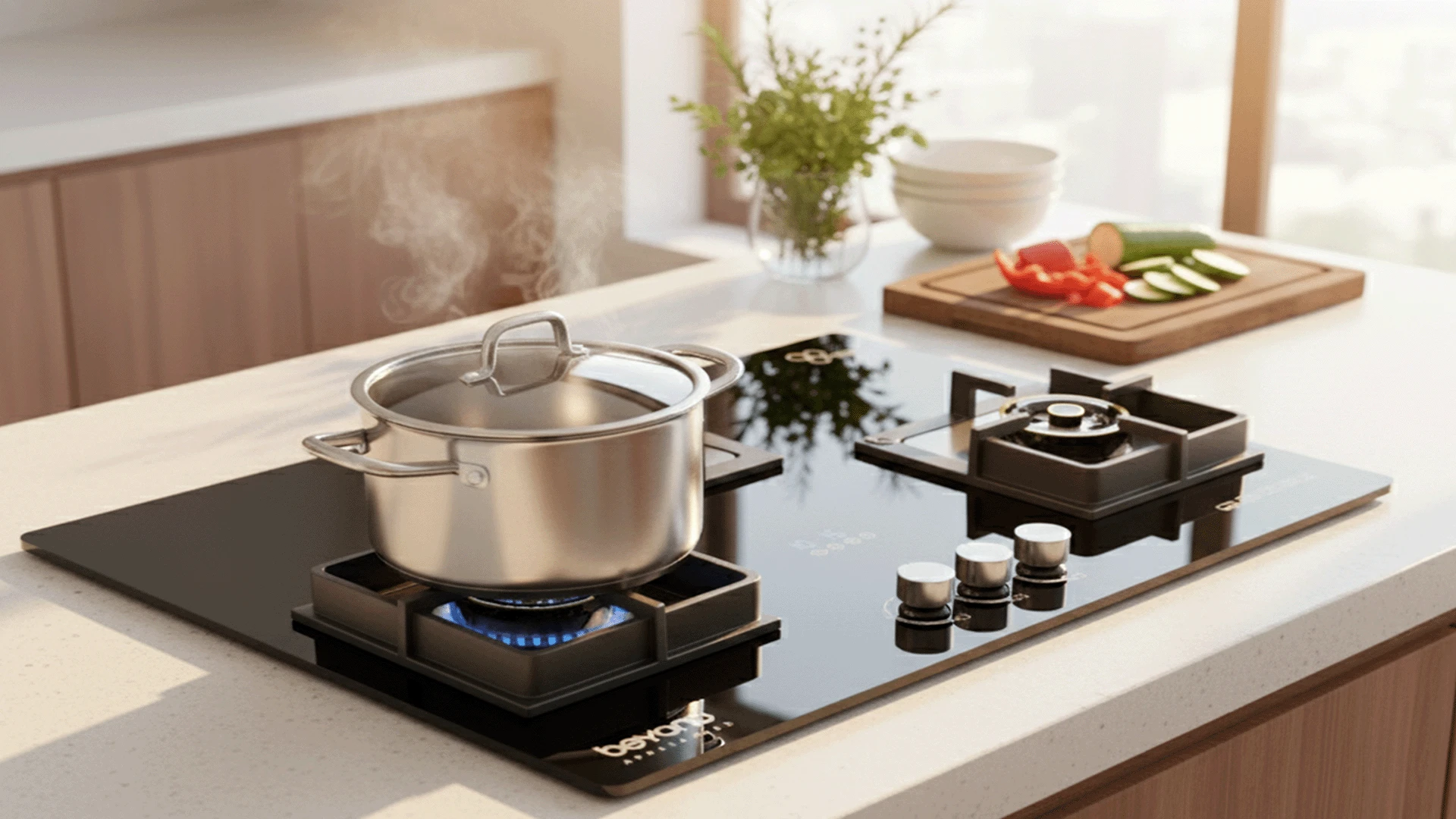
Gas stoves remain the backbone of Indian kitchens, powering countless meals daily. Yet many home cooks unknowingly waste significant amounts of cooking gas through improper flame control techniques. Understanding how to save gas with proper flame control can reduce your monthly fuel bills by 20-30% while improving cooking results. This comprehensive guide reveals professional techniques for maximizing gas stove efficiency through smart flame management, helping you master the art of efficient cooking flames that deliver better food with lower costs.
Effective gas conservation starts with understanding how your stove converts fuel into usable heat energy. Modern gas stoves operate on simple combustion principles, but small adjustments in flame control can dramatically impact fuel consumption. The key lies in matching flame intensity to cooking requirements while maintaining optimal heat transfer to your cookware.
Perfect combustion occurs when gas mixes with the right amount of air to produce a steady blue flame. This blue flame indicates complete fuel burning, reaching temperatures around 1,900°C at the flame tip. Yellow or orange flames signal incomplete combustion, wasting gas while producing less heat. The flame should form a distinct cone shape, with the inner blue cone clearly visible. This optimal flame pattern ensures maximum heat transfer while minimizing fuel waste.
Most households lose gas through oversized flames that extend beyond cookware bottoms. When flames lick up the sides of pots and pans, that heat escapes into the air instead of cooking your food. Another common mistake involves using high flames for tasks requiring gentle heat, like simmering dal or melting butter. Many cooks also preheat empty pans longer than necessary, burning gas without purpose.
Mastering flame control requires understanding the relationship between flame size, cookware dimensions, and cooking methods. Proper flame control means using just enough heat to accomplish your cooking task efficiently. This approach not only saves gas but often produces better cooking results by preventing food from burning or cooking unevenly.
Always aim for a steady blue flame as your efficiency benchmark. Adjust the gas control knob slowly until you achieve a clear blue cone with minimal yellow tips. If your flame appears predominantly yellow or orange, check for blocked burner ports or inadequate air supply. Clean burner holes regularly with a thin wire or needle to maintain proper air-gas mixing. A properly adjusted blue flame burns hotter and cleaner than yellow flames, delivering more heat per unit of gas consumed.
Low flame cooking proves most efficient for many Indian dishes. Slow-cooking techniques like dum cooking or pressure cooking after initial heating require minimal gas while developing rich flavors. For boiling water or milk, start with medium-high flame until bubbling begins, then reduce to low flame for maintenance. Sautéing vegetables works best with medium flames that heat the pan evenly without creating hot spots that burn food.
Match your flame diameter to your cookware bottom for maximum efficiency. The flame should never extend beyond the pan's base, as this wastes heat and gas. For small pans under 6 inches, use the smallest burner with low flame. Medium pans (6-10 inches) work best on medium burners with appropriately sized flames. Large pots and pressure cookers require the biggest burner but still benefit from flame control that doesn't exceed the cookware base.
Gas stove efficiency improves dramatically when you implement advanced techniques that professional chefs use daily. These methods focus on heat retention, timing optimization, and strategic cooking approaches that minimize fuel consumption while maintaining food quality.
Use lids whenever possible to trap heat and reduce cooking times by up to 25%. This simple technique works especially well for rice, dal, and vegetable preparations. Preheat pans for only 30-60 seconds before adding oil or food - longer preheating wastes gas unnecessarily. Turn off flames 2-3 minutes before food finishes cooking, allowing residual heat to complete the process. This technique works perfectly for rice, pasta, and slow-cooked curries.
Different foods require specific flame management for optimal results and gas savings. Rice cooking benefits from high initial flame for boiling, followed by very low flame for absorption. Roti making requires medium-high flame for quick cooking without burning. Pressure cooking needs high flame until the first whistle, then low flame for the remaining time. Deep frying maintains oil temperature best with medium flame, preventing oil from overheating and food from absorbing excess oil.
Regular maintenance ensures your gas stove operates at peak efficiency throughout its lifespan. Well-maintained burners produce better flames, consume less gas, and cook food more evenly. Simple cleaning and adjustment procedures can restore efficiency to older stoves and prevent gas wastage.
Clean burner ports weekly using a soft brush or thin wire to remove food particles and grease buildup. Blocked ports create uneven flames that waste gas and cook food poorly. Remove burner caps and grates monthly for thorough cleaning with warm soapy water. Check that burner caps sit properly after cleaning - misaligned caps cause poor flame distribution and increased gas consumption. Replace damaged or warped burner components promptly to maintain efficiency.
Choose cookware with flat, thick bottoms that make maximum contact with flames. Aluminum and copper conduct heat efficiently, requiring less gas to reach cooking temperatures. Avoid warped or dented pans that create air gaps between the cookware and flame. Dark-colored pots absorb heat better than shiny surfaces, cooking food faster with less gas. Heavy-bottomed cookware retains heat longer, allowing you to reduce flame intensity sooner during cooking.
Optimize gas usage by tracking your consumption patterns and identifying areas for improvement. Simple monitoring techniques help quantify savings and motivate continued efficiency improvements. Understanding your usage patterns enables better cooking planning and fuel budgeting.
Record your monthly gas cylinder consumption before implementing efficiency techniques. Note cooking frequency, meal types, and family size to establish baseline usage. After applying proper flame control methods, compare monthly consumption over 2-3 months for accurate savings assessment. Most households see 15-25% reduction in gas usage within the first month of implementing these techniques. Calculate monthly savings by multiplying reduced consumption by current gas prices - typical savings range from INR 200-500 monthly for average families.
Plan meals requiring similar cooking methods together to minimize burner adjustments and preheating time. Batch cook items like rice, dal, or vegetables that store well, reducing overall cooking frequency. Use retained heat from previous cooking for warming food or gentle cooking tasks. Coordinate multiple dishes to use different burners simultaneously, maximizing stove efficiency during meal preparation.
Proper flame control typically saves 20-30% of monthly gas consumption. For average households using one cylinder monthly, this translates to 6-9 extra days of cooking from each cylinder, saving INR 200-400 monthly depending on current gas prices.
Flame diameter should never exceed the cookware bottom. Small pans (under 6 inches) need flames covering 70-80% of the base. Medium pans (6-10 inches) work best with flames covering the entire bottom without extending beyond edges. Large pots can use full burner capacity but flames shouldn't extend up the sides.
Not always. Very low flames can actually waste gas by extending cooking times unnecessarily. The most efficient approach uses appropriate flame intensity for each cooking stage - higher flames for initial heating, then reduced flames for maintenance cooking.
Clean burner ports weekly and perform thorough burner cleaning monthly. Daily wiping prevents grease buildup that blocks air flow and reduces efficiency. Deep cleaning every 3 months ensures optimal performance and gas savings.
Yellow or orange flames, uneven flame distribution, weak flame output, longer cooking times than usual, and increased gas consumption indicate efficiency problems. Proper maintenance usually resolves these issues and restores optimal performance.
Mastering how to save gas with proper flame control requires understanding combustion principles, implementing smart cooking techniques, and maintaining equipment properly. Focus on achieving blue flames, matching flame size to cookware, and using heat retention methods for maximum efficiency. Regular burner maintenance and appropriate cookware selection further enhance gas savings. With consistent application of these techniques, most households achieve 20-30% reduction in gas consumption while improving cooking results. Start implementing these strategies gradually, monitoring your progress to quantify savings and refine your approach for optimal efficiency.
