

Master Gas Pipeline Pressure: A Complete Guide
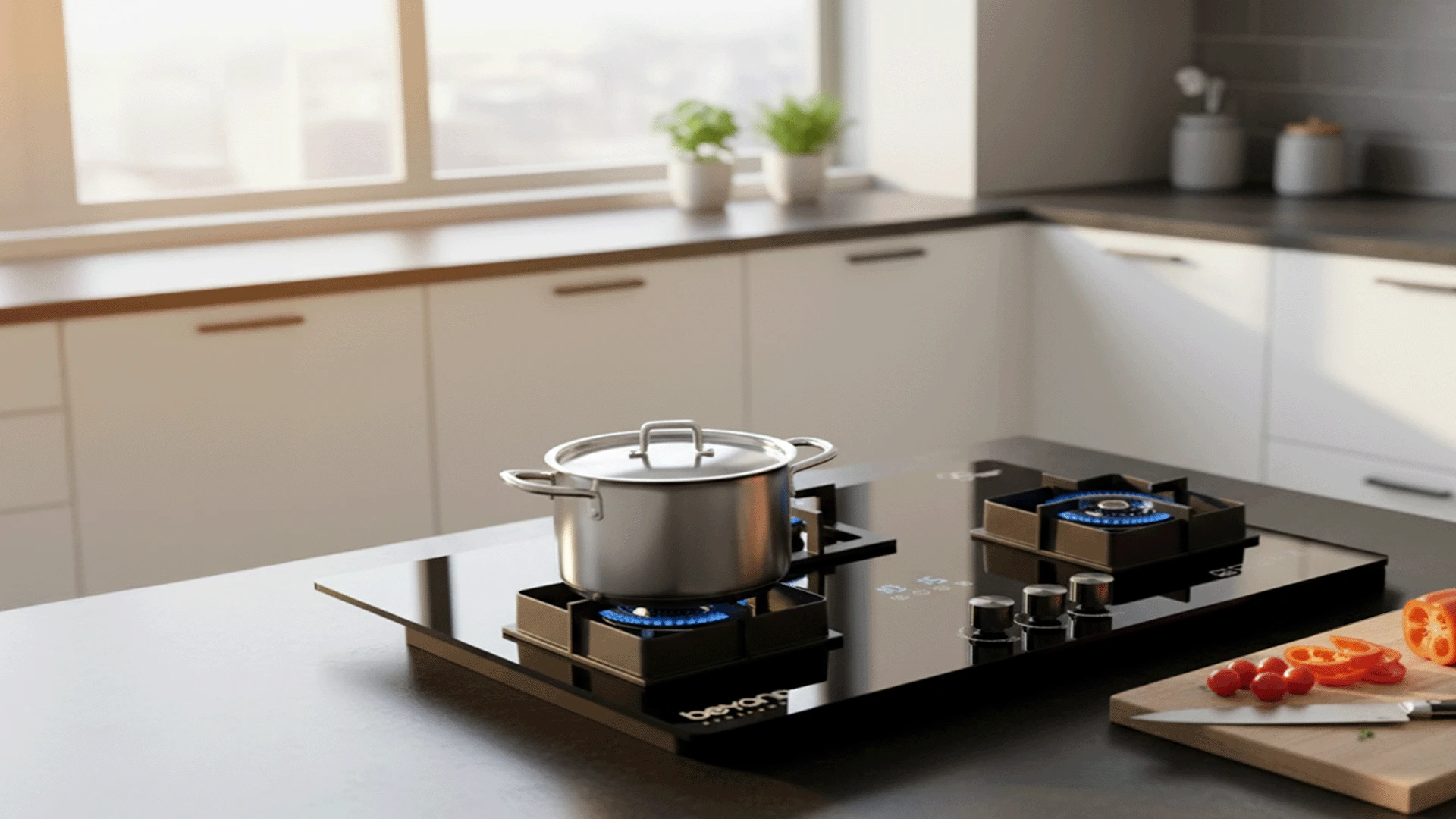
Gas pipeline pressure affects every aspect of your cooking experience, from the flame intensity on your gas stove to the efficiency of your kitchen appliances. Understanding gas pipeline pressure basics helps you maintain optimal performance, ensure safety, and get the most from your cooking equipment. Whether you're dealing with weak flames, uneven heating, or safety concerns, mastering these fundamentals puts you in control of your kitchen's gas supply system.
Gas pipeline pressure refers to the force that pushes natural gas through pipes to reach your appliances. Think of it like water pressure in your plumbing system. Just as low water pressure gives you a weak shower, low gas pressure results in weak flames on your cooktop or gas stove. Proper gas pressure ensures your appliances work efficiently. Your hobtops need consistent pressure to maintain steady flames for even cooking. Too little pressure means longer cooking times and wasted energy. Too much pressure creates safety hazards and can damage your equipment. Most residential gas systems operate between 0.25 to 0.5 PSI (pounds per square inch) at your appliances. This might seem low, but it's perfectly designed for safe, efficient operation. Commercial systems use higher pressures, but residential cooking requires gentler, more controlled gas flow. The pressure in your gas pipeline directly impacts your energy costs. Optimal pressure means your gas stoves and cooktops burn fuel efficiently, reducing waste and lowering your monthly bills. Poor pressure regulation forces appliances to work harder, consuming more gas for the same cooking results.
Gas pipeline systems use three main pressure categories. High-pressure systems carry gas over long distances at 60 PSI or higher. Medium-pressure systems distribute gas through neighborhoods at 1 to 60 PSI. Low-pressure systems deliver gas to your home at less than 1 PSI. Your home receives gas through a low-pressure system. The gas company reduces pressure multiple times before it reaches your kitchen. First, transmission lines carry high-pressure gas across regions. Then distribution lines reduce pressure for neighborhoods. Finally, service lines bring low-pressure gas to your meter. Pressure measurements use PSI (pounds per square inch) or inches of water column. Most residential appliances work with 7 to 10 inches of water column, which equals about 0.25 to 0.36 PSI. Your gas meter shows this pressure, and technicians use special gauges to measure it accurately. Seasonal changes affect pipeline pressure. Cold weather increases gas demand for heating, which can lower pressure slightly. Hot weather reduces demand, potentially raising pressure. Modern systems compensate for these variations automatically, but extreme conditions might require adjustments.
Pressure regulators control gas flow throughout the distribution system. These devices automatically adjust to maintain steady pressure regardless of demand changes. Think of them as automatic valves that open wider when pressure drops and close when pressure rises. Your home has a primary regulator at the meter. This device reduces incoming pressure to safe levels for your appliances. Many homes also have secondary regulators for specific appliances that need precise pressure control, like high-end cooktops or commercial-style ranges. Modern pressure control systems use smart technology. Digital regulators monitor pressure continuously and make micro-adjustments in real-time. Some systems connect to monitoring networks that alert gas companies to pressure problems before customers notice them. Distribution pressure stations manage pressure across entire neighborhoods. These facilities use large regulators and backup systems to ensure consistent supply. When one regulator needs maintenance, backup units maintain service without interruption.
Smart gas monitoring systems help homeowners track pressure and usage. These devices connect to your home network and send alerts about pressure changes or potential problems. Some integrate with smart home systems to optimize appliance performance automatically.
Federal regulations govern gas pipeline safety through the Pipeline and Hazardous Materials Safety Administration. These rules require regular pressure testing, leak detection, and emergency response procedures. Local utilities must inspect pressure systems annually and maintain detailed records. Pressure testing happens during installation and periodically afterward. Technicians pressurize the system above normal operating levels to check for leaks or weak points. This testing ensures your gas pipeline can handle normal pressure variations safely. Emergency shutdown procedures activate when pressure exceeds safe limits. Automatic shutoff valves close immediately if sensors detect dangerous pressure levels. Manual shutoffs allow homeowners to stop gas flow during emergencies or maintenance. Warning signs of pressure problems include yellow or orange flames instead of blue, appliances that won't light, or unusual hissing sounds. If you notice these symptoms, contact your gas company immediately. Never attempt to adjust pressure regulators yourself. Professional inspections should happen annually. Licensed technicians check pressure levels, test safety devices, and inspect connections. They also verify that your appliances receive proper pressure for optimal performance.
Low pressure symptoms include weak flames, slow heating, and appliances that struggle to light. Common causes include high demand during peak usage times, regulator problems, or restrictions in the pipeline. Seasonal heating demand often causes temporary pressure drops. High pressure creates dangerous conditions. Signs include roaring flames, flames that lift off burner ports, or appliances that light with loud pops. High pressure can damage appliances and create fire hazards. Contact professionals immediately if you suspect high pressure. Seasonal pressure variations are normal but shouldn't affect appliance performance significantly. If your gas stoves or hobtops perform differently in winter versus summer, your pressure regulation system might need adjustment. Appliance performance issues often relate to pressure problems. If your cooktop flames are uneven or your gas stove takes longer to heat food, check with your gas company about pressure levels. Sometimes simple regulator adjustments solve these problems. Preventive maintenance includes annual professional inspections and keeping gas meter areas clear. Don't store items near your meter or regulators. Report any gas odors immediately, even if appliances seem to work normally.
Start troubleshooting by checking all gas appliances. If multiple devices show problems, the issue likely involves pipeline pressure. If only one appliance has problems, the issue might be with that specific device. Basic pressure checks require professional equipment. Never attempt to measure gas pressure yourself. However, you can observe flame characteristics to identify potential pressure issues. Blue flames indicate proper pressure, while yellow or orange flames suggest problems.
Ideal pressure ranges vary by appliance type. Standard gas stoves work well at 7 inches of water column. High-performance cooktops might need 10 inches for maximum heat output. Professional-style ranges often require custom pressure regulation for optimal performance. Proper pressure improves cooking performance dramatically. Consistent pressure means even heating, faster cooking times, and better temperature control. Your hobtops will respond more precisely to adjustments, making cooking more enjoyable and efficient. Energy efficiency benefits include reduced gas consumption and lower utility bills. Optimal pressure ensures complete fuel combustion, minimizing waste. Well-regulated pressure also extends appliance life by reducing stress on internal components. Smart gas monitoring systems track usage patterns and pressure variations. These systems help identify efficiency opportunities and alert you to potential problems before they affect cooking performance. Some integrate with smart thermostats and other home automation systems. Upgrading older pressure systems might improve performance significantly. Newer regulators provide more precise control and better safety features. If your home has appliances installed over many years, pressure system upgrades might optimize performance across all devices.
Low gas pressure causes weak flames, slow heating, and difficulty lighting appliances. You might notice yellow or orange flames instead of blue, or hear appliances struggling to maintain steady flames.
Pressure fluctuates due to demand changes, weather conditions, and system maintenance. High demand during cold weather can temporarily reduce pressure. Regulator problems or pipeline restrictions also cause pressure variations.
Never adjust gas pressure yourself. Only licensed professionals should modify pressure regulators or test pressure levels. Improper adjustments create serious safety hazards including fire, explosion, or carbon monoxide poisoning.
Professional pressure checks should happen annually during routine safety inspections. Contact your gas company if you notice appliance performance changes or suspect pressure problems between scheduled inspections.
Natural gas systems typically operate at lower pressures than propane systems. Natural gas uses 7-10 inches of water column, while propane often requires 11 inches. Appliances designed for one fuel type need conversion kits for the other.
Yes, weather significantly affects gas pressure. Cold weather increases heating demand, potentially lowering pressure. Extreme temperatures can also affect regulator performance and pipeline capacity.
Mastering gas pipeline pressure basics ensures safe, efficient cooking and optimal appliance performance. Understanding how pressure systems work helps you identify problems early and communicate effectively with service professionals. Remember that pressure adjustments require professional expertise - never attempt modifications yourself. Regular professional inspections maintain system safety and efficiency. Annual checks catch problems before they affect your cooking experience or create safety hazards. Investing in proper pressure regulation pays dividends through improved appliance performance, energy efficiency, and peace of mind. Modern pressure monitoring technology offers new opportunities for optimization. Smart systems help track usage patterns and identify efficiency improvements. As kitchen technology advances, proper pressure regulation becomes even more important for getting the most from your investment in quality cooking appliances.
