

Master Electric Hobs: Complete Cooking Guide
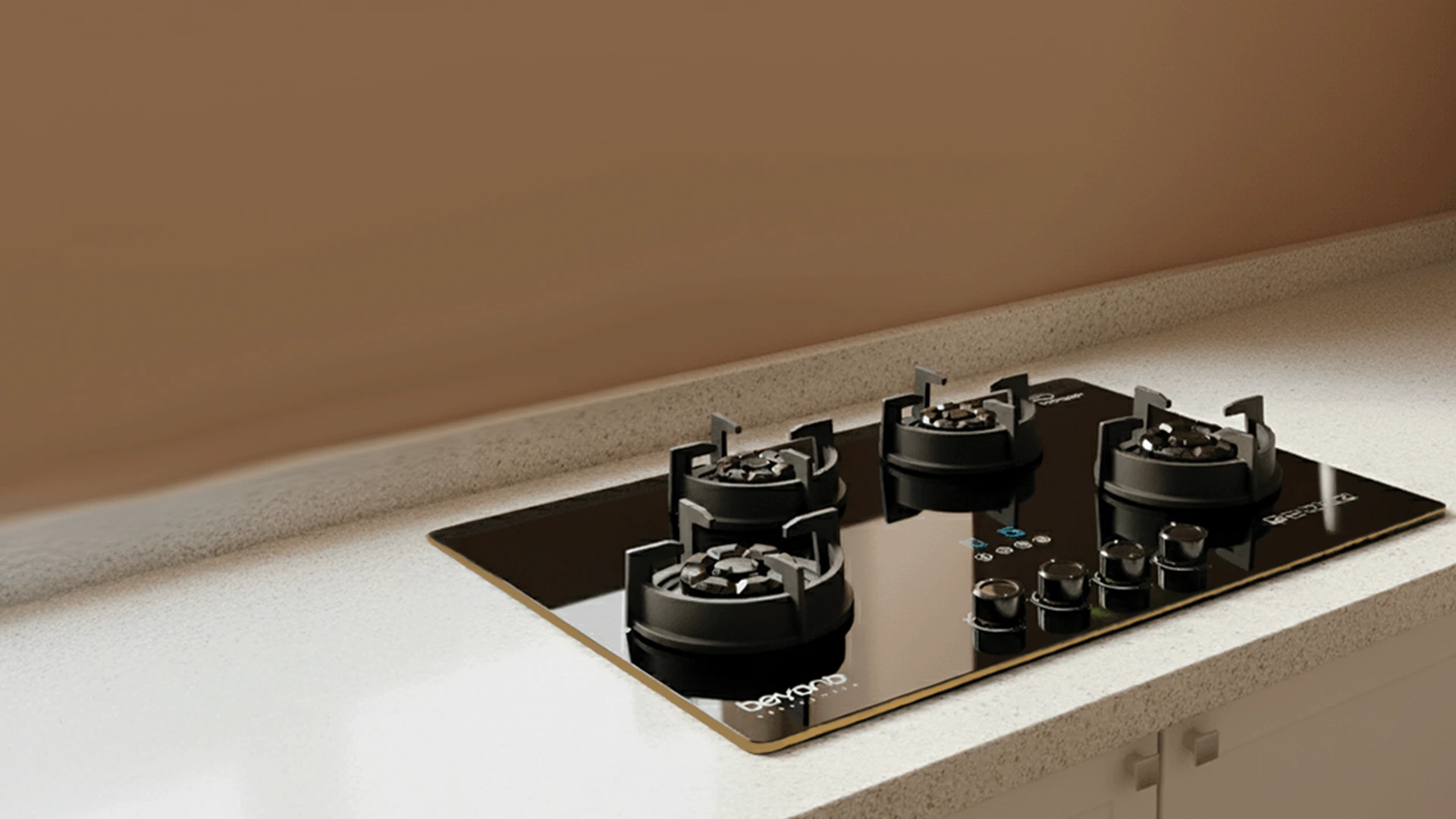
Electric hobs have transformed modern kitchens with their sleek design and advanced technology. These cooking surfaces offer precise temperature control, enhanced safety features, and remarkable energy efficiency that traditional gas burners simply cannot match. Whether you're upgrading your kitchen or building a new home, understanding the advantages of electric hobs helps you make an informed decision. From ceramic surfaces to cutting-edge induction technology, electric hobs deliver consistent cooking results while reducing energy costs and environmental impact. Modern homemakers appreciate how these appliances combine style with functionality, creating cleaner and more efficient cooking environments.
Electric hobs represent a significant advancement in cooking technology, using electricity to generate heat through various methods including ceramic, induction, and halogen systems. Unlike traditional gas burners that rely on open flames, electric hobs provide controlled heating through sophisticated electronic systems. The types of electric hobs available today include ceramic glass surfaces, electromagnetic induction plates, and radiant heating elements. The evolution from gas to electric cooking reflects changing homeowner preferences for safety, efficiency, and design aesthetics. Modern electric hobs integrate seamlessly with contemporary kitchen designs while offering superior performance. Market trends show increasing adoption of electric cooking solutions, particularly in urban areas where safety and convenience take priority.
Ceramic hobs feature smooth glass surfaces with radiant heating elements underneath. These surfaces heat up when electricity passes through coiled elements, transferring heat to cookware through direct contact.
Induction technology uses electromagnetic fields to heat compatible cookware directly. This method offers the fastest heating times and highest energy efficiency among all electric hob types.
The advantages of electric hobs extend far beyond simple convenience, offering measurable benefits in energy efficiency, safety, and cooking precision. Electric hobs convert up to 90% of electrical energy into usable heat, compared to gas burners that achieve only 40-50% efficiency. This dramatic difference translates into lower energy bills and reduced environmental impact. Precise temperature control stands out as a major electric hob benefit. Digital controls allow exact heat adjustments, maintaining consistent temperatures throughout the cooking process. This precision eliminates hot spots and ensures even cooking results every time.
Electric hobs eliminate risks associated with gas leaks, carbon monoxide exposure, and open flames. Automatic shut-off systems and child safety locks provide additional protection for families.
Electric heating elements distribute heat evenly across the cooking surface, preventing uneven cooking and reducing the need for constant stirring or repositioning of cookware.
Ceramic hob pros include their stunning visual appeal and practical functionality that modern homeowners demand. The smooth glass surface creates a seamless look that complements contemporary kitchen designs while providing excellent cooking performance. These surfaces resist scratches and stains when properly maintained, preserving their elegant appearance for years. Heat retention properties of ceramic hobs allow continued cooking even after switching off the power, maximizing energy efficiency. The flat surface makes cleaning effortless – simply wipe with appropriate cleaners to maintain the pristine appearance.
Ceramic hobs offer excellent value compared to premium induction models while still providing significant advantages over gas alternatives. Installation costs remain lower since no gas connections are required.
Unlike induction hobs, ceramic surfaces work with all types of cookware including aluminum, copper, and glass vessels, eliminating the need to replace existing pots and pans.
Induction hob advantages represent the pinnacle of cooking technology, offering unmatched efficiency and control. Electromagnetic heating technology heats cookware directly rather than heating the surface first, achieving 50% faster heating compared to gas burners. This direct heating method reaches maximum energy efficiency of up to 90%, making induction the most economical electric cooking option. Smart cooking hobs with induction technology feature programmable settings, timer functions, and precise power controls. Many models connect to smartphone apps, allowing remote monitoring and control of cooking processes.
Induction surfaces remain cool to touch during cooking since heat generates only in the cookware. This prevents accidental burns and makes cleaning safer and easier.
Induction hobs respond immediately to control adjustments, providing gas-like responsiveness with electric efficiency. Temperature changes occur instantly, giving chefs precise control over cooking processes.
Energy efficient hobs deliver substantial cost savings over their operational lifetime while reducing household carbon footprints. Electric hobs, particularly induction models, convert electricity to heat more efficiently than any gas alternative. A typical induction hob uses 1.8 kW to boil water that would require 3.2 kW on a gas burner. Cooking with electric hob technology allows homeowners to take advantage of off-peak electricity rates, further reducing energy costs. Smart energy management features automatically optimize power consumption based on cooking requirements and electricity pricing.
While initial purchase prices may exceed gas alternatives, electric hobs typically recover costs within 2-3 years through energy savings. Reduced maintenance requirements and longer lifespan contribute to overall value.
Electric hobs produce zero direct emissions in the kitchen, improving indoor air quality. When powered by renewable electricity sources, they offer the cleanest cooking solution available.
Safety represents one of the most compelling electric hob benefits for modern families. Electric hobs eliminate risks associated with gas leaks, carbon monoxide poisoning, and open flame accidents. Residual heat indicators warn users when surfaces remain hot, preventing accidental contact burns. Maintenance requirements for electric hobs remain minimal compared to gas alternatives. No gas line inspections, burner cleaning, or ventilation maintenance are necessary. The smooth surfaces of ceramic and induction hobs clean easily with standard kitchen cleaners.
Electric hobs include child safety locks that prevent accidental activation. Some models feature touch controls that require specific sequences to operate, adding extra protection.
Electric hobs typically last 15-20 years with proper care, significantly longer than gas burners. The absence of moving parts reduces mechanical failure risks.
Electric hobs offer superior energy efficiency, safety features, and easier maintenance compared to gas alternatives. They provide more precise temperature control and eliminate risks associated with gas leaks or carbon monoxide exposure.
Induction hobs provide the fastest heating, highest energy efficiency, and coolest cooking surfaces. The main disadvantage is requiring compatible magnetic cookware, though most modern pots and pans work perfectly.
Yes, many professional kitchens now use electric hobs, particularly induction models, for their precise control, energy efficiency, and safety benefits. High-end electric hobs match or exceed gas performance.
Induction hobs heat 50% faster than gas burners, while ceramic hobs heat slightly slower than gas but maintain more consistent temperatures throughout cooking.
Ceramic hobs work with all cookware types. Induction hobs require magnetic materials like cast iron or magnetic stainless steel. Flat-bottomed pans provide the best heat transfer on all electric hob types.
Electric hobs deliver exceptional value through energy efficiency, enhanced safety, and superior cooking control. Whether choosing ceramic for universal compatibility or induction for maximum efficiency, electric hobs transform kitchens into safer, cleaner, and more efficient cooking spaces. The combination of lower operating costs, reduced maintenance requirements, and advanced features makes electric hobs the smart choice for modern homes. As technology continues advancing, electric hobs will only become more efficient and feature-rich, cementing their position as the future of home cooking.
