

Master Ductless Chimney Odor Removal: A Guide
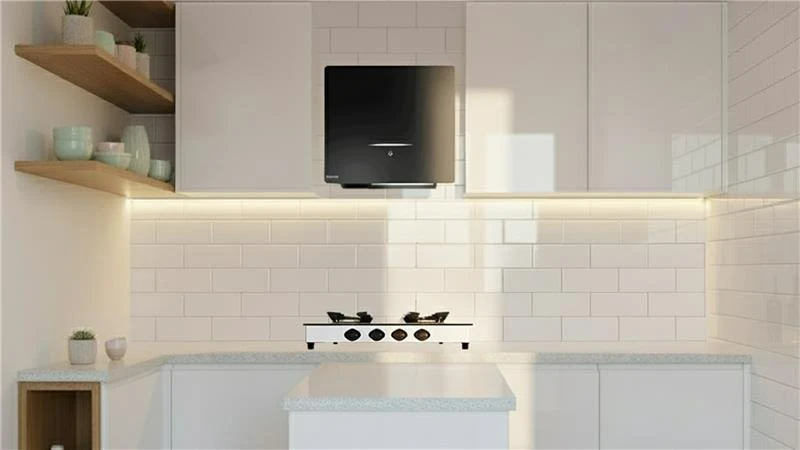
Modern kitchens face a common challenge: managing cooking odors without external venting options. Ductless chimney odor removal has emerged as an effective solution for homeowners seeking efficient kitchen ventilation. These innovative systems use advanced filtration technology to capture and neutralize cooking smells, grease particles, and smoke directly within your kitchen space. Unlike traditional ducted systems, ductless chimneys recirculate filtered air back into the room, making them perfect for apartments and homes where external venting isn't feasible. Understanding how these systems work and maintaining them properly ensures your kitchen stays fresh and odor-free.
Ductless chimneys operate on a sophisticated multi-stage filtration principle that effectively handles kitchen odor elimination. These systems draw cooking fumes through powerful suction fans, then process the air through multiple filter layers before releasing clean air back into your kitchen. The core mechanism involves three essential stages: initial grease capture through baffle filters, odor neutralization via activated carbon filters, and final air circulation through BLDC motors. This process ensures that cooking smells, smoke particles, and grease vapors are thoroughly removed before air recirculation.
The filtration process begins when cooking fumes enter the chimney through strategically positioned intake vents. Baffle filters first capture grease particles and larger debris, preventing them from reaching sensitive internal components. Next, activated carbon filters neutralize odors through chemical absorption, effectively eliminating cooking smells and spice aromas.
Ductless chimneys excel at managing various cooking-related odors including fried food smells, spice aromas, and steam-based moisture. They effectively capture grease particles from high-heat cooking methods and neutralize persistent odors from garlic, onions, and strong spices. These systems also handle smoke from occasional burning and manage humidity-related odors common in Indian cooking.
Modern ductless chimney technology incorporates several advanced features designed specifically for superior odor removal. These innovations ensure maximum efficiency while maintaining energy conservation and quiet operation. The most effective systems combine high-quality activated carbon filters with powerful BLDC motors and intelligent auto-clean functions. This combination provides comprehensive odor control while reducing maintenance requirements and extending filter life.
Activated carbon filters represent the heart of effective chimney odor removal. These filters contain specially treated carbon granules that chemically absorb odor molecules, preventing them from recirculating into your kitchen. High-quality systems feature multi-layered carbon filters with extended absorption capacity. HEPA filtration capabilities in premium models capture microscopic particles as small as 0.3 microns, ensuring comprehensive air purification beyond basic odor removal.
BLDC motors provide optimal suction power while maintaining energy efficiency and quiet operation. These motors typically deliver 800-1200 cubic meters per hour airflow, sufficient for most residential kitchens. The variable speed settings allow you to adjust suction power based on cooking intensity and odor levels.
Proper installation significantly impacts your kitchen odor eliminator effectiveness. Correct positioning and secure mounting ensure maximum odor capture while maintaining aesthetic appeal in your kitchen design. Professional installation typically takes 2-3 hours and includes electrical connections, mounting hardware setup, and initial system testing. Most manufacturers provide free installation services with warranty coverage.
Measure your cooking area to determine optimal chimney positioning. The unit should be mounted 24-30 inches above your cooktop for maximum efficiency. Ensure adequate electrical supply with proper grounding for safe operation. Consider your kitchen layout and cooking patterns when selecting mounting location. Position the chimney to capture rising cooking fumes effectively while maintaining comfortable headroom.
Wall mounting requires secure bracket installation into solid wall studs or concrete surfaces. Electrical connections must follow local safety codes with proper circuit protection. Test all functions including fan speeds, lighting, and filter indicators before completing installation.
Regular maintenance ensures your ventless hood odor removal system operates at peak efficiency. Proper filter care and component cleaning extend system life while maintaining optimal performance levels. Establish a monthly cleaning routine for baffle filters and monitor carbon filter replacement indicators. This proactive approach prevents odor buildup and maintains consistent air quality in your kitchen.
Clean baffle filters monthly using warm water and liquid detergent. Soak filters for 15-20 minutes, then scrub gently with a soft brush to remove accumulated grease. Replace activated carbon filters every 6-12 months depending on cooking frequency and intensity. Monitor filter condition indicators if available, or track replacement dates manually to ensure timely maintenance.
Inspect motor housing quarterly for dust accumulation and clean external surfaces with a damp cloth. Check electrical connections annually and ensure proper grounding. Schedule professional servicing every 2-3 years for internal component inspection and motor maintenance.
When comparing chimney alternatives, ductless systems offer unique advantages in cooking smell removal effectiveness. These systems provide superior odor control compared to basic exhaust fans while requiring no external venting modifications. Unlike simple exhaust fans that merely move air, ductless chimneys actively filter and purify cooking fumes before recirculation. This fundamental difference makes them more effective for comprehensive odor management.
Ductless chimneys provide 3-5 times better odor removal efficiency compared to standard exhaust fans. They consume similar energy levels while offering superior grease capture and odor neutralization. Installation costs are comparable, but ductless systems require no external modifications.
Ductless systems excel in apartments and compact kitchens where traditional ducting isn't possible. They offer better efficient cooking ventilation than window fans or portable air purifiers while maintaining consistent performance regardless of external weather conditions.
Ductless chimneys remove 85-95% of cooking odors through multi-stage filtration. They excel at neutralizing persistent smells from spices, fried foods, and grease-heavy cooking methods. Regular filter maintenance ensures consistent performance levels.
Clean baffle filters monthly with warm soapy water. Replace carbon filters every 6-12 months based on usage. Wipe external surfaces weekly and schedule annual professional servicing for motor and electrical components.
Yes, ductless chimneys provide superior odor control through active filtration rather than simple air movement. They capture and neutralize odors before recirculation, while exhaust fans only move contaminated air around.
Quality ductless chimneys range from INR 8,000 to INR 25,000 depending on features and capacity. Annual filter replacement costs approximately INR 2,000-5,000. Professional installation is typically included with purchase.
Replace carbon filters every 6-12 months for optimal performance. Heavy cooking users may need more frequent replacement, while light users can extend intervals. Monitor odor removal effectiveness to determine replacement timing.
Mastering ductless chimney odor removal requires understanding proper installation, regular maintenance, and realistic performance expectations. These systems provide excellent odor control for kitchens without external venting options while offering energy-efficient operation and quiet performance. Success depends on choosing appropriate capacity for your kitchen size, maintaining filters according to manufacturer recommendations, and positioning the unit correctly for maximum odor capture. With proper care, ductless chimneys deliver years of reliable kitchen ventilation and odor control, making them an ideal solution for modern cooking environments.
