

Induction Cooktop vs Energy Saving Gas Stove: Which is Better?
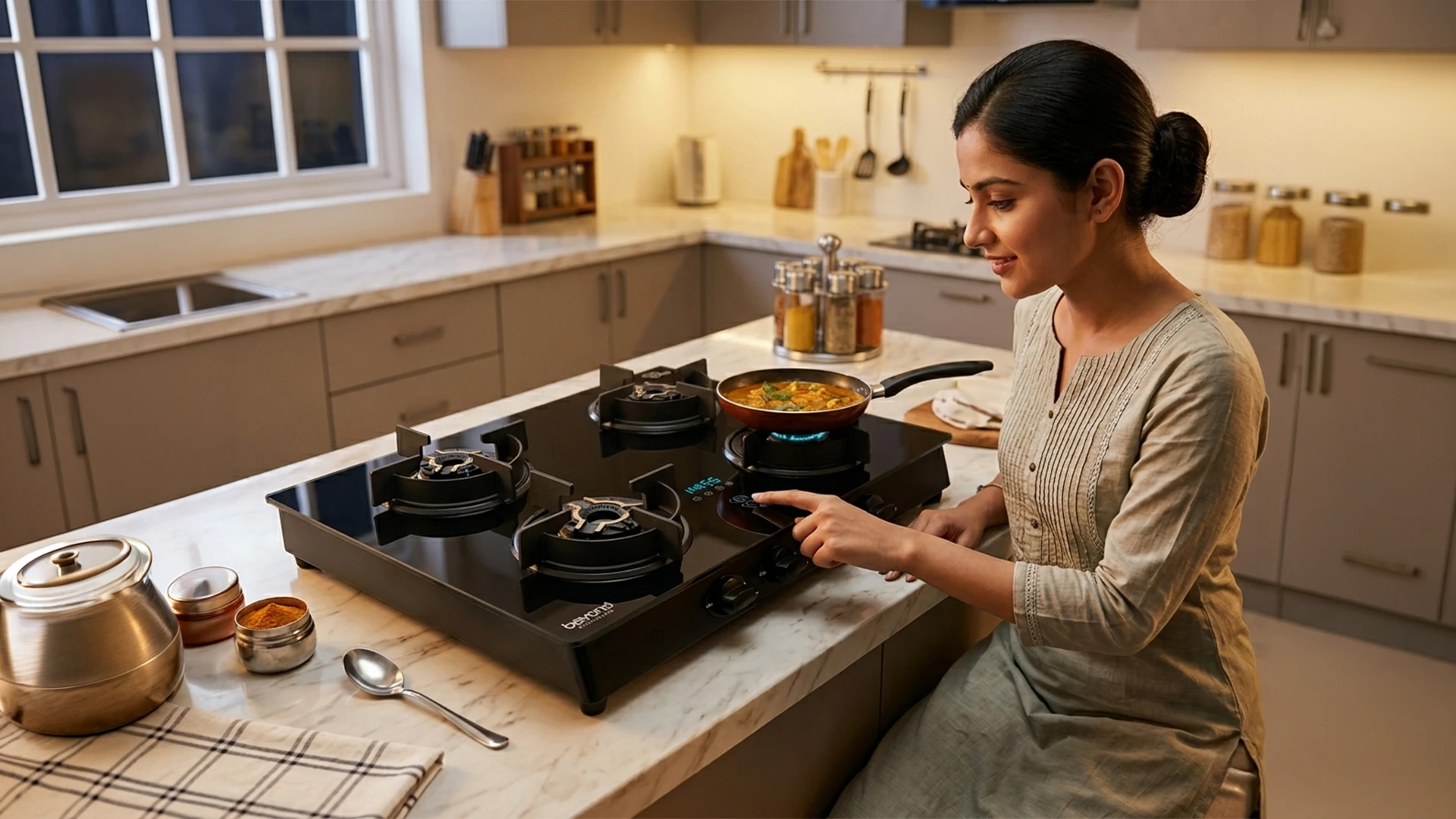
The kitchen is the heart of every home, and choosing the right cooking appliance can significantly impact your energy bills, cooking experience, and environmental footprint. With rising energy costs and growing environmental consciousness, homeowners are increasingly torn between modern induction cooktops and energy-efficient gas stoves. Both technologies have evolved dramatically in recent years, offering compelling benefits that make the decision more complex than ever. This comprehensive comparison will examine every aspect of induction cooktop vs energy saving gas stove performance, helping you make an informed decision that aligns with your cooking style, budget, and sustainability goals.
Understanding the fundamental technology behind each cooking method is crucial for making an informed decision. Both induction cooktops and gas stoves operate on completely different principles, which directly impacts their efficiency, safety, and cooking performance.
Induction cooking uses electromagnetic fields to heat cookware directly through magnetic induction. When you place compatible cookware on an induction surface, an electromagnetic coil beneath the glass creates a magnetic field that generates heat directly in the pan's base. This means the cooktop surface itself remains relatively cool, with heat generated only in the cookware.
The process is remarkably efficient because energy transfers directly to the cooking vessel without heating the surrounding air or cooktop surface. This technology requires ferromagnetic cookware, typically cast iron or magnetic stainless steel, to function properly.
Energy saving stoves burn natural gas or LPG through precisely engineered burners that maximize heat transfer while minimizing waste. Modern gas stoves feature improved burner designs with better flame distribution and heat control mechanisms that reduce energy consumption by up to 30% compared to traditional models.
The combustion process heats the air around the cookware, which then transfers heat to the pan and food. While this indirect heating method is less efficient than induction, advanced burner technologies have significantly improved energy transfer rates in contemporary gas stoves.
Energy efficiency represents one of the most significant factors in the induction cooktop vs energy saving gas stove debate. The efficiency gap between these technologies can substantially impact your monthly energy bills and environmental footprint.
Induction cooktops achieve remarkable energy efficiency ratings of 85-90%, making them the most efficient electric cooking technology available. This high efficiency stems from direct energy transfer to cookware, eliminating heat loss to surrounding air. The precise temperature control also contributes to energy savings, as induction units can instantly adjust power levels and maintain exact temperatures without overshooting.
This precision reduces cooking times and prevents energy waste from overheating. The induction cooking benefits include faster heating times and reduced energy consumption compared to traditional cooking methods.
Modern energy saving stoves achieve efficiency ratings of 40-55%, a significant improvement over older gas models that typically operated at 30-35% efficiency. The remaining energy is lost through heat radiation, convection to surrounding air, and incomplete combustion.
However, gas stoves offer instant heat adjustment and work during power outages, providing practical advantages that may offset lower efficiency ratings. The cost of natural gas in India often makes gas cooking more economical despite lower efficiency.
Cooking performance encompasses heat control, temperature precision, cooking speed, and overall culinary results. Both technologies excel in different areas, making this comparison highly dependent on cooking style and preferences.
Induction cooking benefits include superior temperature control with instant heat adjustment and precise temperature maintenance. Professional chefs increasingly favor induction for its ability to maintain exact temperatures for delicate techniques like tempering chocolate or preparing custards.
Induction units heat up 50% faster than gas burners, bringing water to boil in approximately 3-4 minutes compared to 6-8 minutes on gas. This speed advantage translates to reduced cooking times and improved kitchen efficiency.
Gas stoves provide visual flame control that many experienced cooks prefer, allowing intuitive heat adjustment based on flame size and color. The open flame enables techniques like charring vegetables, roasting spices directly, and achieving traditional flavors in Indian cooking.
Gas burners work with all cookware types, including traditional clay pots, copper vessels, and aluminum cookware that won't function on induction surfaces. This versatility makes gas stoves more compatible with diverse cooking traditions and existing cookware collections.
The financial implications of choosing between induction and gas extend beyond the initial purchase price. Installation requirements, operating costs, and long-term maintenance expenses significantly impact the total cost of ownership.
Induction cooktops require higher upfront investment, with quality models ranging from INR 8,000-50,000 depending on features and specifications. Installation costs remain minimal if adequate electrical supply exists, but upgrading electrical circuits may add INR 3,000-8,000 to initial expenses.
Operating costs depend on local electricity rates. Despite higher per-unit energy costs, induction's superior efficiency often results in comparable or lower monthly cooking expenses compared to gas.
Energy efficient cooktops typically cost INR 3,000-25,000, with installation requiring gas connection and safety compliance. LPG cylinder costs and piped gas charges vary by location and consumption patterns.
Gas stoves generally offer lower operating costs in areas with subsidized LPG or affordable piped gas connections. However, rising gas prices may impact long-term cost advantages.
Safety features and risks differ significantly between induction and gas cooking technologies. Understanding these differences is essential for households with children, elderly members, or safety-conscious users.
Induction cooktops eliminate open flames and gas leaks, reducing fire and explosion risks. The cooktop surface remains cool except where cookware sits, minimizing burn risks. Advanced safety features include automatic shut-off when cookware is removed, child locks, and overheat protection.
Electromagnetic field exposure concerns are minimal, with induction units producing fields well below international safety standards. However, users with pacemakers should consult physicians before using induction cooktops.
Gas stoves require proper ventilation to prevent carbon monoxide buildup and ensure complete combustion. Modern energy efficient cooktops include flame failure devices that automatically shut off gas supply if flames extinguish accidentally.
Regular maintenance of gas connections, burners, and ventilation systems is crucial for safe operation. Gas leak detection and proper installation by certified technicians minimize risks associated with gas cooking.
Cookware compatibility significantly impacts cooking performance and may require additional investment when switching cooking technologies. Understanding compatibility requirements helps in making informed decisions.
Induction cooktops require ferromagnetic cookware that responds to magnetic fields. Compatible materials include cast iron, magnetic stainless steel, and enameled iron cookware. A simple magnet test determines compatibility – if a magnet sticks strongly to the cookware bottom, it will work on induction.
High-quality induction cookware features flat, smooth bottoms for optimal contact and heat distribution. Investing in quality cookware maximizes induction cooking benefits and ensures even heating across the cooking surface.
Gas stoves work with virtually all cookware materials, including aluminum, copper, clay, glass, and non-magnetic stainless steel. This versatility allows continued use of existing cookware collections and traditional cooking vessels.
Different cookware materials perform differently on gas flames. Heavy-bottomed pans distribute heat more evenly, while lightweight aluminum heats quickly but may create hot spots.
Yes, induction cooking is extremely safe for daily use. The technology produces electromagnetic fields well below international safety limits, and the cooktop surface remains cool during cooking, reducing burn risks significantly compared to gas stoves.
Only ferromagnetic cookware works on induction cooktops. Test your existing pots and pans with a magnet – if it sticks strongly to the bottom, the cookware is induction-compatible. You may need to invest in new cookware if your current collection isn't magnetic.
Cost-effectiveness depends on local energy prices and usage patterns. In areas with expensive LPG or affordable electricity, induction often proves more economical. Gas typically costs less in regions with subsidized LPG or cheap piped gas connections.
No, induction cooktops require electricity to function and won't work during power outages. Gas stoves with manual ignition can operate without electricity, making them more reliable during power disruptions.
Quality induction cooktops typically last 10-15 years with proper care. The solid-state electronics and lack of moving parts contribute to longevity, though the glass surface may be vulnerable to impact damage.
The choice between induction cooktop vs energy saving gas stove ultimately depends on your specific needs, cooking style, and local conditions. Induction cooktops excel in energy efficiency, safety, and precise temperature control, making them ideal for modern kitchens prioritizing sustainability and advanced cooking techniques. Their higher upfront costs are often offset by energy savings and enhanced cooking performance.
Gas stoves remain compelling for their universal cookware compatibility, lower initial investment, and reliable operation during power outages. They're particularly suitable for traditional cooking methods and households with existing gas infrastructure. Consider your local energy costs, cooking preferences, safety priorities, and long-term sustainability goals when making this important kitchen investment. Both technologies have evolved significantly, ensuring excellent cooking performance regardless of your choice.
