

How to Spot Chimney Filter Clogging Warning Signs
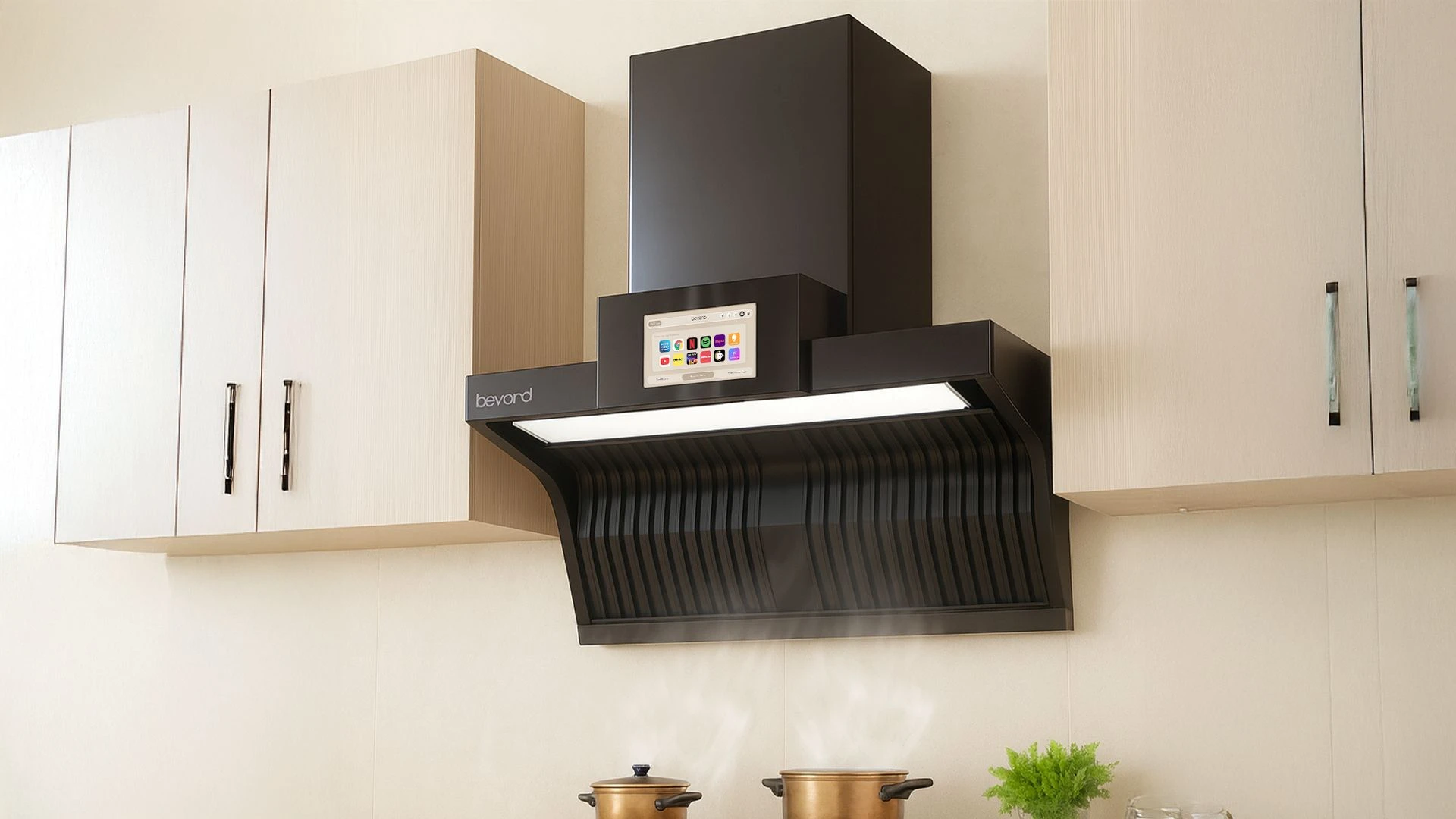
A properly functioning kitchen chimney is essential for maintaining a clean, comfortable cooking environment. However, many homeowners struggle to recognize when their chimney filter becomes clogged, leading to poor air quality, persistent odors, and potential health risks. Understanding how to identify chimney filter clogging symptoms early can save you from costly repairs and ensure your kitchen remains a pleasant space for cooking and gathering.
Chimney filter clogging occurs when grease, oil particles, and food debris accumulate in your kitchen chimney's filtration system, blocking proper airflow. This common issue affects the chimney's ability to extract cooking fumes effectively, leading to various kitchen chimney problems that can impact your daily cooking experience. The primary causes include regular cooking activities, especially frying and grilling, which produce heavy grease and smoke. Over time, these particles build up in the filter mesh, creating a barrier that prevents proper ventilation. Without adequate cooking fumes extraction, your kitchen becomes a breeding ground for odors, moisture, and potentially harmful airborne particles.
Recognizing clogged chimney symptoms early helps prevent more serious issues and maintains optimal kitchen air quality. Here are the most reliable indicators that your chimney filter needs attention.
Chimney suction issues are often the first noticeable sign of filter problems. You can test this by holding a tissue paper near the chimney while it's running – if the paper doesn't get pulled toward the unit or moves weakly, your filter likely needs cleaning.
Check the exterior surfaces of your chimney for grease buildup. When filters become clogged, grease particles escape and settle on nearby surfaces, creating sticky, yellowish deposits that are difficult to clean.
If food smells linger long after cooking, your chimney isn't effectively removing airborne particles. This is one of the most common smoky kitchen solutions people seek, often unaware that filter cleaning could resolve the issue.
A clogged filter forces the motor to work harder, creating unusual sounds like grinding, rattling, or excessive humming. These noises indicate the system is struggling against blocked airflow.
Poor ventilation leads to steam and moisture buildup, causing condensation on windows, cabinets, and walls. This excess humidity can damage kitchen surfaces and promote mold growth.
When filters are severely clogged, accumulated grease may drip from the chimney onto your cooking surface. This creates safety hazards and indicates immediate cleaning is necessary.
A blocked filter makes the motor work harder, consuming more electricity. If you notice increased energy costs without other explanations, chimney filter blockage might be the culprit.
When smoke escapes around the chimney hood instead of being drawn into it, the filter is likely too clogged to maintain proper airflow.
Before calling professionals, you can perform basic tests to confirm chimney filter clogging. The tissue paper test mentioned earlier is highly effective – proper suction should immediately pull lightweight paper toward the intake. Visual inspection reveals obvious problems like grease buildup or damaged filter mesh. Remove the filter (following manufacturer instructions) and examine it under good lighting. A heavily clogged filter appears dark, sticky, and may have visible debris trapped in the mesh. Sound analysis helps identify motor strain. Compare current operating sounds with how your chimney sounded when new. Significant changes in noise levels often indicate blockage issues.
When you detect clogged chimney symptoms, take immediate action to prevent further damage. First, ensure safety by turning off the chimney and allowing it to cool completely before inspection. For severe blockage with grease dripping or complete suction loss, stop using the chimney until cleaning is completed. Continuing to operate a severely clogged unit can damage the motor and create fire hazards. Document the symptoms you've observed, as this information helps determine whether DIY cleaning is sufficient or professional service is needed.
Chimney filter cleaning requires proper tools and techniques to restore optimal performance. Most homeowners can handle basic cleaning with the right approach.
Gather degreasing agents, warm water, soft brushes, microfiber cloths, and rubber gloves. Avoid harsh chemicals that might damage filter materials.
Remove the filter according to manufacturer instructions. Soak it in warm, soapy water for 15-20 minutes to loosen grease buildup. Gently scrub with a soft brush, paying attention to mesh areas where particles accumulate. Rinse thoroughly and allow complete drying before reinstallation.
While basic cleaning is manageable for most homeowners, severely clogged filters or damaged components require professional attention. Consider professional service if cleaning doesn't restore proper suction or if you notice motor problems.
Regular chimney maintenance tips prevent severe clogging and extend your appliance's lifespan. Weekly visual inspections help catch problems early, while monthly cleaning prevents heavy buildup. Establish a cleaning schedule based on your cooking habits. Heavy users should clean filters bi-weekly, while moderate users can extend intervals to monthly. Always clean after preparing particularly greasy or smoky meals. Seasonal deep cleaning ensures optimal performance year-round. This includes cleaning internal components, checking ductwork, and inspecting electrical connections.
Perform visual inspections weekly and thorough checks monthly. Heavy cooking requires more frequent monitoring.
Yes, consistent cleaning and maintenance prevent most clogging issues and extend appliance life significantly.
Professional cleaning typically costs between INR 500-1500, depending on your location and service complexity.
Replace filters when cleaning doesn't restore suction, mesh is damaged, or the filter shows permanent discoloration and brittleness.
Yes, poor ventilation creates uncomfortable cooking conditions, persistent odors, and can affect food taste due to lingering smoke.
Recognizing how to identify chimney filter clogging symptoms empowers you to maintain optimal kitchen air quality and appliance performance. Regular inspection, prompt cleaning, and proper maintenance prevent costly repairs and ensure your kitchen remains a pleasant cooking environment. Remember that early detection and action are always more cost-effective than dealing with severe blockage or motor damage.
