

How to Reduce Chimney Filter Noise in Your Kitchen
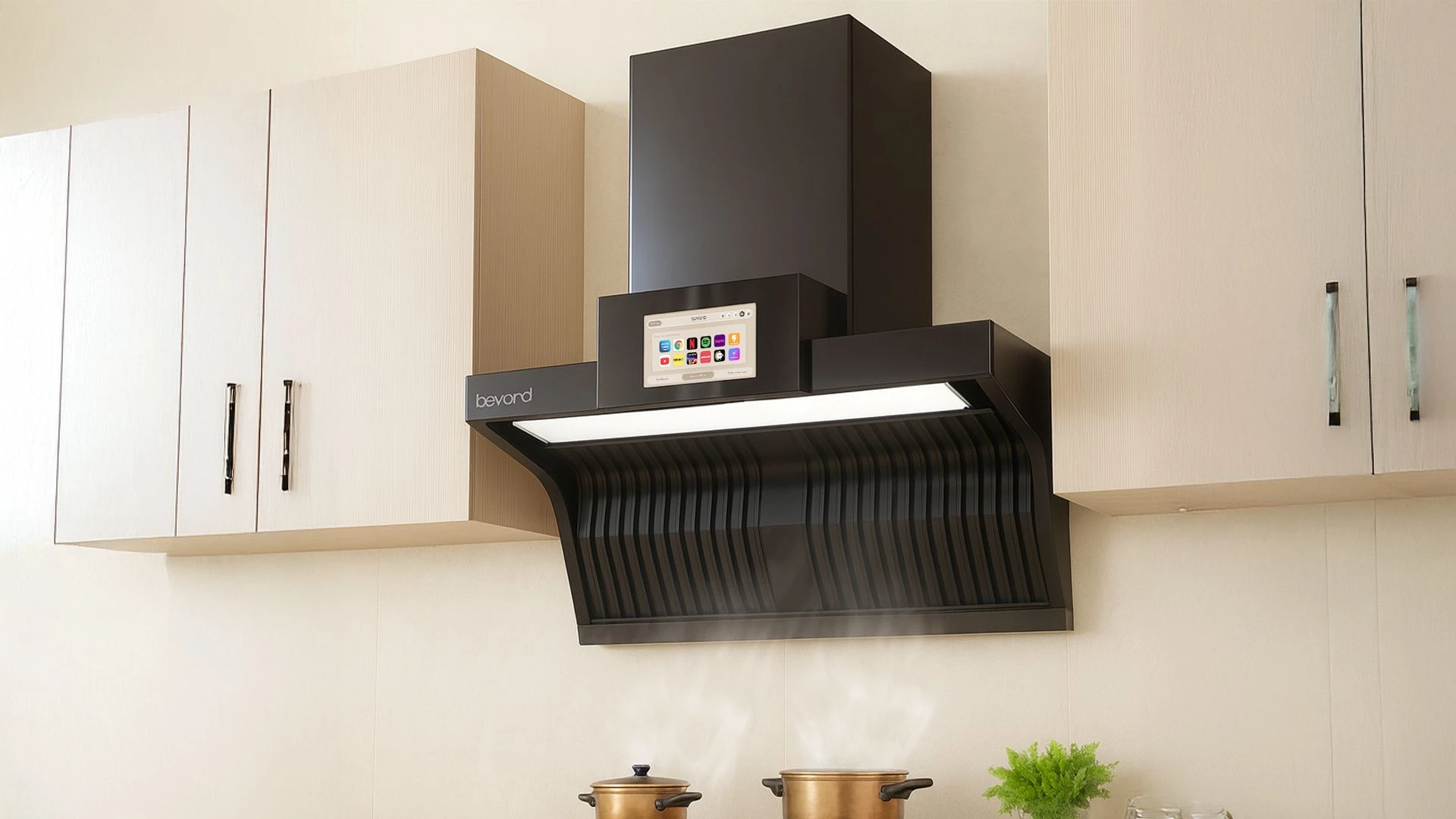
A noisy kitchen chimney can turn your peaceful cooking experience into a frustrating ordeal. Whether you're preparing a quiet breakfast or hosting dinner guests, excessive chimney filter noise disrupts the ambiance and makes conversation difficult. The good news is that most chimney noise issues can be resolved with proper maintenance, smart adjustments, and targeted soundproofing techniques. Understanding the root causes of kitchen hood noise and implementing effective chimney filter noise reduction tips will help you create the serene cooking environment you deserve.
Kitchen chimneys generate noise through various mechanical and airflow-related factors. Identifying these sources helps you target the most effective solutions for your specific situation.
The motor is the primary noise generator in any kitchen chimney. High-speed fans create vibrations that transfer through the mounting system to your kitchen cabinets and walls. Older motors tend to be louder, while modern BLDC (Brushless Direct Current) motors operate more quietly. Worn bearings, loose fan blades, or unbalanced rotors amplify these mechanical sounds significantly.
Dirty or clogged filters force your chimney to work harder, creating turbulent airflow and increased noise levels. Grease buildup restricts air passage, causing the motor to strain and operate at higher speeds. This not only increases noise but also reduces the efficiency of your kitchen chimney soundproofing efforts.
Proper chimney filter maintenance is your first line of defense against excessive noise. Clean filters allow smooth airflow, reducing motor strain and operational noise.
For households that cook daily, especially with oil-heavy Indian cuisine, weekly filter cleaning is essential. Remove baffle filters and wash them with warm soapy water or place them in the dishwasher. Aluminum filters can handle more aggressive cleaning, while mesh filters require gentler treatment. This simple routine can reduce noise levels by 20-30%.
Monthly deep cleaning involves soaking filters in a baking soda solution or specialized degreasing agents. Stubborn grease deposits require longer soaking times and gentle scrubbing with soft brushes. Replace filters that show signs of permanent damage or excessive wear, as compromised filters contribute to both noise and reduced ventilation efficiency.
Several quick adjustments can provide immediate relief from excessive chimney noise without requiring professional intervention or significant investment.
Many homeowners run their chimneys at maximum speed unnecessarily. Start with the lowest effective setting and gradually increase speed only when needed. Modern chimneys with variable speed controls allow precise adjustment based on cooking intensity. For light cooking like boiling or steaming, the lowest setting often provides adequate ventilation with minimal noise.
Installing anti-vibration pads between the chimney and mounting brackets significantly reduces transmitted noise. These rubber or foam pads absorb motor vibrations before they reach your kitchen structure. Check all mounting screws and brackets for looseness, as even slightly loose connections amplify vibrations throughout your kitchen.
Inspect your ductwork for sharp bends, restrictions, or improper sizing. Smooth, properly sized ducts allow efficient airflow with less turbulence and noise. If possible, minimize the number of bends in your duct run and ensure all connections are secure and sealed.
For persistent noise issues, advanced quiet kitchen ventilation solutions provide more comprehensive noise control.
A chimney silencer is a specialized device that reduces noise without compromising ventilation efficiency. These units contain sound-absorbing materials and are installed in the ductwork. Professional-grade silencers can reduce noise levels by 10-15 decibels, making a noticeable difference in kitchen comfort. Installation typically requires professional expertise to ensure proper sizing and placement.
Surrounding your chimney with sound-absorbing materials helps contain noise within the immediate area. Acoustic foam panels inside the cabinet housing or behind wall-mounted units provide additional sound dampening. This approach is particularly effective for efficient cooking ventilation systems that operate at higher speeds.
Modern kitchen chimneys incorporate intelligent features that automatically optimize performance while minimizing noise.
Auto-sensing chimneys detect cooking activity and adjust fan speed accordingly. These systems prevent unnecessary high-speed operation during light cooking tasks. Heat and smoke sensors ensure adequate ventilation while maintaining the lowest possible noise levels. This technology represents the future of smart kitchen noise reduction.
Programmable timers allow you to set specific operation schedules, ensuring the chimney runs only when needed. Some models offer delayed start features, beginning operation a few minutes after cooking starts when maximum ventilation becomes necessary.
When DIY approaches prove insufficient, professional assessment and upgrades provide comprehensive noisy chimney solutions.
Upgrading to a high-quality BLDC motor significantly reduces operational noise while improving energy efficiency. These motors operate more smoothly, generate less heat, and typically last longer than conventional motors. The investment in a quality motor pays dividends in both noise reduction and long-term reliability.
Professional technicians can assess your entire ventilation system, identifying issues that might not be apparent to homeowners. They can recommend optimal duct routing, proper sizing, and installation corrections that address root causes of excessive noise.
Most quality chimneys operate between 45-60 decibels at normal speeds. Anything consistently above 65 decibels indicates a problem requiring attention.
Clean filters weekly for heavy cooking households, bi-weekly for moderate use. Dirty filters are one of the most common causes of increased noise levels.
Yes, many noise reduction techniques like filter cleaning, speed optimization, and vibration dampening can be done by homeowners. However, ductwork modifications and motor issues typically require professional expertise.
Not necessarily. Focus on specifications like sone ratings, motor type, and proper installation rather than price alone. A well-installed mid-range chimney often performs better than a poorly installed premium model.
If your chimney is over 8-10 years old and experiencing multiple issues, replacement might be more cost-effective than extensive repairs. Modern chimneys offer significantly better noise control and energy efficiency.
Reducing chimney filter noise requires a systematic approach combining regular maintenance, smart operation, and targeted improvements. Start with basic filter cleaning and speed optimization, which address the majority of noise issues. For persistent problems, consider professional assessment and advanced soundproofing solutions. Remember that proper installation and quality components are fundamental to achieving quiet kitchen ventilation. With the right combination of maintenance practices and smart technology, you can enjoy peaceful cooking experiences while maintaining excellent ventilation performance.
