

How to Protect Small Utensils on Jumbo Burners
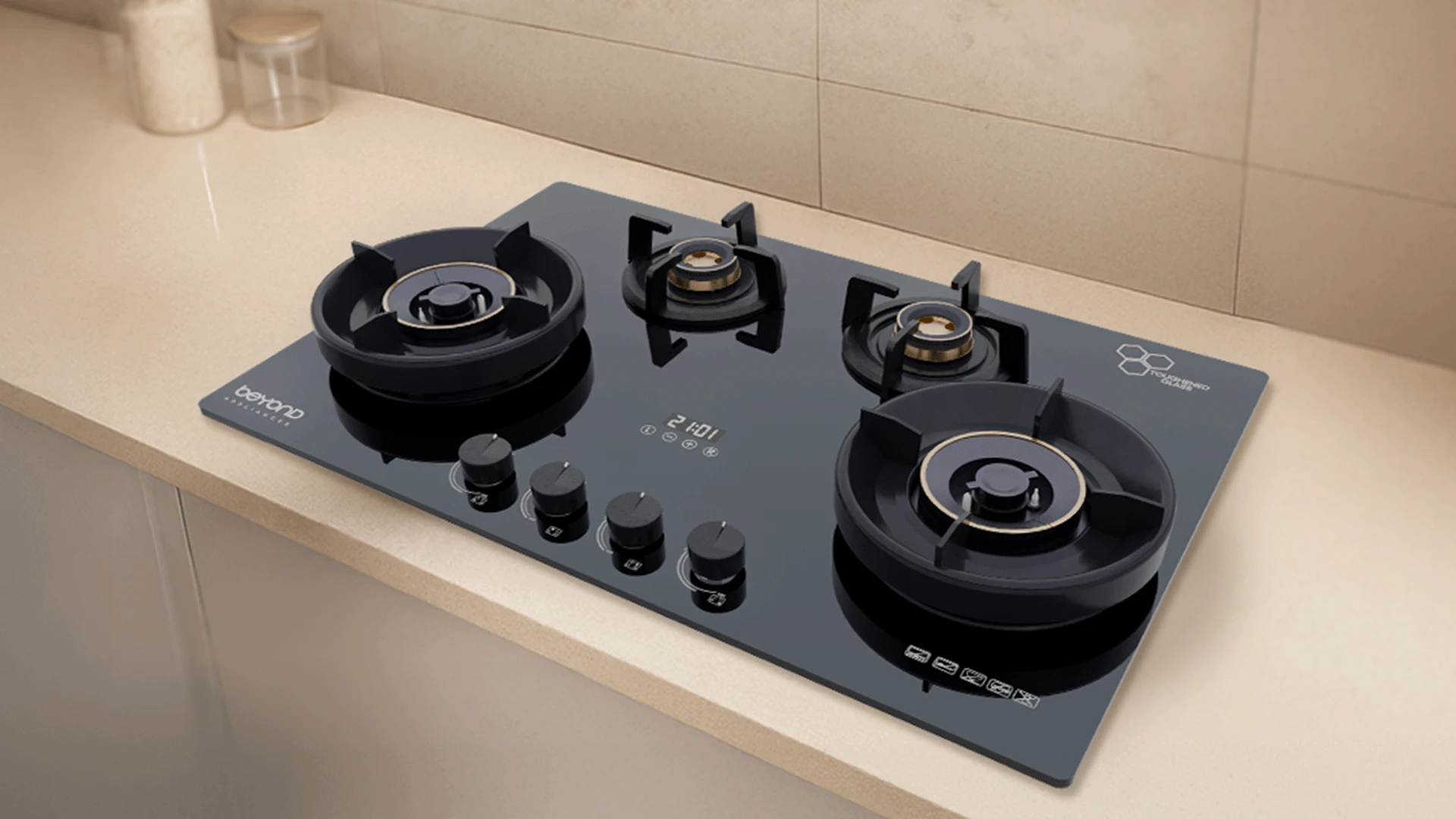
Jumbo burners offer powerful heat for large-scale cooking, but they can pose serious risks to smaller cookware. When the flame extends beyond the base of your pan or pot, it creates uneven heating that can warp metals, damage non-stick coatings, and even melt plastic handles. Understanding these risks and implementing proper protection techniques ensures your valuable cookware stays in perfect condition while you enjoy efficient cooking. Smart cooking practices combined with the right tools can help you safely use any burner size with confidence.
Yes, jumbo burners can damage small utensils when heat extends beyond the cookware base. This creates concentrated hot spots that cause warping, especially in aluminum and thin-bottomed pans. The intense heat can also degrade non-stick coatings and melt plastic components like handles and knobs. Small utensil damage occurs through several mechanisms. Uneven heat distribution creates stress points in the metal, leading to permanent warping. Excessive temperatures can break down the molecular structure of non-stick surfaces, causing them to peel or release harmful fumes. Plastic handles and knobs become soft and may melt when exposed to direct flame or radiant heat. Manufacturers include size compatibility warnings because they understand these jumbo burner dangers. Temperature differentials between the heated base and cooler edges create internal stress that weakens cookware over time. This damage often starts small but compounds with repeated exposure, eventually requiring costly replacements.
When flames extend past your cookware's base, they create dangerous high heat cooking risks. The exposed flames heat the air around your pan, causing handles and rims to reach dangerous temperatures. This uneven heating pattern wastes energy and creates safety hazards for anyone nearby.
Flames that wrap around small pans create hot spots on the sides and bottom edges. These areas reach much higher temperatures than the cooking surface, causing food to burn while leaving the center undercooked. The excess heat also travels up the pan sides, making handles unsafe to touch.
Using oversized burners for small cookware wastes significant energy. Most of the heat escapes into the surrounding air instead of heating your food. This inefficiency increases cooking costs and contributes to kitchen overheating, especially during summer months.
Burner size cookware matching follows simple ratios for optimal performance. Your cookware base should cover at least 75% of the burner surface, with flames staying within the pan's bottom circumference. This ensures even heat distribution and prevents damage to both cookware and burner components. Material considerations play a crucial role in cookware compatibility. Heavy-bottomed stainless steel and cast iron handle high heat better than thin aluminum or non-stick surfaces. Professional-grade cookware typically features thicker bases and heat-resistant handles designed for commercial burner use.
For jumbo burners, use cookware with bases measuring at least 10-12 inches in diameter. Smaller pans should be reserved for medium or small burners to maintain proper heat distribution. This sizing prevents flame extension and ensures efficient energy use.
Utensil heat resistance varies significantly by construction. Stainless steel with aluminum cores distributes heat evenly while resisting warping. Cast iron handles extreme temperatures but heats slowly. Non-stick coatings begin degrading around 500°F, making them unsuitable for high-heat applications.
Cooking utensil safety starts with proper positioning and heat control. Center your cookware over the burner and adjust flame size to match the pan base. Use medium heat settings initially, then increase gradually as needed. This approach prevents thermal shock and extends cookware life. Heat diffuser plates provide excellent burner damage prevention for small cookware. These metal discs spread heat evenly across the pan base while protecting it from direct flame contact. They're particularly effective for delicate sauces and gentle simmering tasks.
Proper centering ensures even heat distribution and prevents hot spots. Mark your burner centers with removable tape for consistent placement. Keep pan handles positioned away from other burners and walkways to prevent accidental contact.
Start with low heat and increase gradually to prevent thermal shock. Monitor food closely during the first few minutes to gauge proper temperature levels. Use infrared thermometers to check pan surface temperatures and avoid overheating.
Professional chefs use specific efficient cooking tips to protect cookware on high-powered burners. They preheat pans gradually, use appropriate cookware sizes, and invest in quality heat distribution tools. These practices extend cookware life while maintaining cooking efficiency. Stove top safety protocols include regular equipment inspections and immediate replacement of damaged items. Professional kitchens maintain strict size compatibility standards and train staff on proper burner usage. These measures prevent accidents and reduce replacement costs.
Inspect cookware for existing damage before each use. Check handles for looseness and examine non-stick surfaces for wear. Clean burner grates and ensure proper gas flow for even flame distribution.
Regular inspection reveals early damage signs like slight warping or handle discoloration. Address these issues immediately to prevent further deterioration. Keep detailed records of cookware condition to track replacement needs.
Yes, repeated exposure to oversized flames can cause permanent warping, coating damage, and handle deterioration. The damage often starts gradually but becomes irreversible with continued misuse.
Use cookware with bases measuring 10-12 inches or larger for jumbo burners. The pan base should cover at least 75% of the burner surface to ensure proper heat distribution.
Heat diffusers effectively spread flame heat across larger areas, protecting small cookware from direct flame contact. They're particularly useful for delicate cooking tasks requiring gentle, even heating.
Heavy-bottomed stainless steel, cast iron, and carbon steel handle high temperatures best. These materials resist warping and distribute heat evenly across cooking surfaces.
Watch for warping, discoloration, coating peeling, or loose handles. Hot spots during cooking and uneven browning also indicate heat damage. Replace damaged cookware immediately for safety.
Smoking, unusual odors, handle discoloration, and visible warping indicate overheating. Food burning around edges while remaining raw in centers also suggests excessive heat exposure.
Protecting small utensils on jumbo burners requires careful attention to size compatibility and heat control. Use appropriately sized cookware, invest in heat diffusers when needed, and monitor cooking temperatures closely. Professional-grade equipment and proper techniques ensure safe, efficient cooking while preserving your valuable cookware investment. Remember that prevention costs far less than replacement, making these safety practices essential for any serious home cook.
