

How to Prevent Cooktop Flame Failure: Essential Safety Tips
Gas cooktop safety remains a top priority for modern kitchens, especially when it comes to preventing flame failure incidents. Understanding how to maintain proper flame operation and recognize potential hazards can protect your family from dangerous gas leaks and cooking accidents. With the right knowledge about cooktop safety features and proper maintenance techniques, you can ensure your cooking experience remains both efficient and secure.
Modern gas cooktops come equipped with advanced safety mechanisms designed to prevent gas accumulation when flames unexpectedly extinguish. These protective systems work alongside proper usage habits to create multiple layers of safety in your kitchen environment.
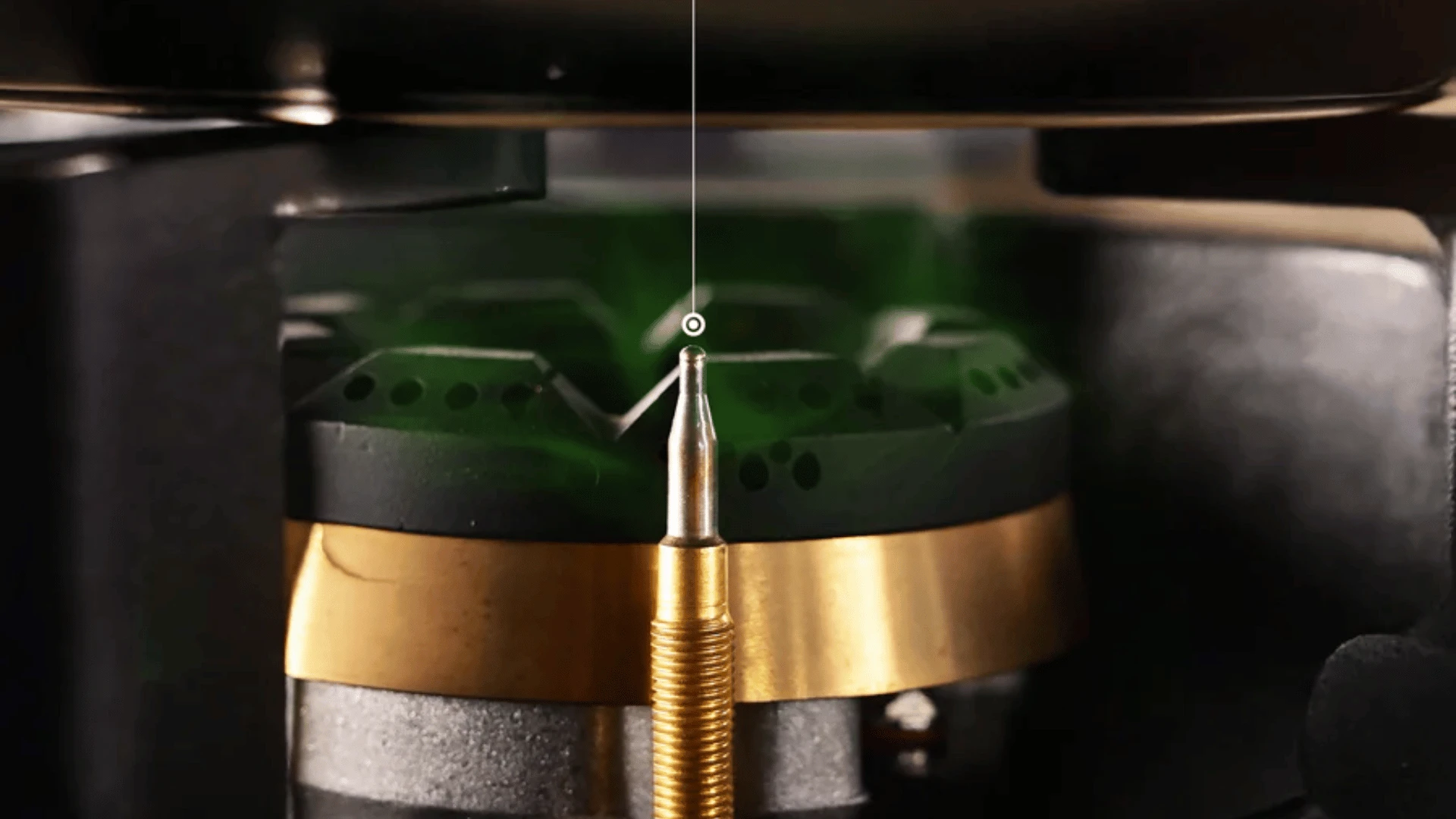
A flame failure device serves as your cooktop's primary safety guardian, automatically cutting off gas supply when flames are accidentally extinguished. This critical component detects flame presence through a thermocouple sensor that generates electrical current when heated by the burner flame.
The device operates on a simple yet effective principle. When the flame burns normally, the thermocouple stays hot and keeps the gas valve open. If the flame goes out due to wind, spills, or other factors, the thermocouple cools down within 10-15 seconds, triggering the safety valve to close and stop gas flow immediately.
The thermocouple sensor sits directly in the flame path, constantly monitoring temperature changes. When flame temperature drops below the safety threshold, the device responds automatically without requiring manual intervention.
While basic cooktops may require manual gas shut-off during emergencies, modern units with flame failure devices provide automatic protection. This automation proves especially valuable during busy cooking sessions when you might not immediately notice flame extinction.
Several factors can cause unexpected gas cooktop flame outage, creating potentially dangerous situations if left unaddressed. Recognizing these causes helps you take preventive measures and respond appropriately when issues arise.
Common flame extinction occurs due to strong air currents from open windows, ceiling fans, or air conditioning systems. Liquid spills from boiling pots can also douse flames instantly, while low gas pressure from nearly empty cylinders may cause weak flames that easily blow out.
Watch for irregular flame patterns, yellow or orange flame colors instead of blue, or flames that frequently go out during normal cooking. These symptoms often indicate cooktop burner problems requiring immediate attention.
When flames extinguish without proper safety devices, gas continues flowing into your kitchen space. This creates serious risks including gas poisoning, explosion hazards, and fire dangers that can threaten your entire household.
Modern gas cooktops incorporate multiple cooktop safety features designed to prevent accidents and enhance user protection. Understanding these features helps you make informed decisions when selecting new cooking appliances.
Advanced models include cooktop auto shut off mechanisms that activate after predetermined cooking times, preventing overheating and reducing fire risks. These timers work independently of flame failure devices to provide additional safety layers.
Contemporary smart cooktop features include digital displays showing burner status, automatic ignition systems that eliminate the need for matches or lighters, and integrated safety locks preventing accidental activation by children.
Toughened glass surfaces and heat-resistant control knobs ensure safe operation even during high-temperature cooking. These materials maintain structural integrity and prevent heat transfer to surrounding surfaces.
Implementing proper gas stove safety protocols significantly reduces accident risks and extends your cooktop's operational lifespan. Regular maintenance combined with safe usage habits creates a secure cooking environment.
Daily safety checks should include visual inspection of burner flames, ensuring proper blue flame color, and verifying that all control knobs turn off completely. Always ensure adequate ventilation during cooking to prevent gas accumulation.
Clean burner caps and ports weekly to prevent blockages that can cause irregular flames. Remove food debris and grease buildup that might interfere with proper gas flow or flame stability.
Check gas cylinder connections monthly for leaks using soapy water solution. Replace rubber hoses every two years and ensure proper regulator installation to maintain consistent gas pressure.
If you smell gas, immediately turn off all burners, avoid electrical switches, open windows for ventilation, and contact your gas supplier. Never attempt repairs yourself when gas leaks are suspected.
Selecting an efficient cooktop with comprehensive safety features requires careful consideration of your cooking needs and safety priorities. Modern gas cooktops offer various configurations designed to meet different household requirements.
Look for models featuring multiple burner sizes to accommodate different cooking vessels, from small sauce pans to large pressure cookers. Multi-flame burner designs provide better heat distribution and cooking efficiency while maintaining safety standards.
Ensure your chosen cooktop supports your available gas type, whether LPG cylinders or PNG pipeline connections. Some models offer dual compatibility with simple conversion kits for added flexibility.
Built-in hobs integrate seamlessly with kitchen countertops and often include additional safety features, while standalone cooktops offer portability and easier installation in existing kitchens.
Balance safety features with budget constraints by prioritizing flame failure devices and auto-ignition systems. These essential safety components provide excellent value for protecting your household investment.
Emerging cooking appliance safety technologies continue advancing protection standards through intelligent monitoring systems and enhanced automation. These innovations represent the future of kitchen safety and cooking convenience.
Smart sensors can detect unusual gas flow patterns, automatically adjusting supply pressure to maintain optimal flame characteristics. Some advanced models integrate with home automation systems for remote monitoring and control capabilities.
Modern cooktops work seamlessly with chimney systems and exhaust fans to ensure proper cooktop gas leak prevention through enhanced air circulation. This integration creates comprehensive safety ecosystems in contemporary kitchens.
Newer models include diagnostic capabilities that alert users to potential maintenance needs before problems develop. These proactive systems help prevent flame failure incidents through timely intervention.
A flame failure device is an automatic safety mechanism that cuts off gas supply when cooktop flames are accidentally extinguished. It uses a thermocouple sensor to detect flame presence and responds within 10-15 seconds to prevent gas accumulation in your kitchen.
Most flame failure devices respond within 10-15 seconds after flame extinction. This rapid response time prevents dangerous gas buildup while allowing brief flame interruptions during normal cooking activities.
Look for cooktops with multi-ring burners and high BTU ratings for intense cooking applications. Models with brass burners typically provide better heat distribution and flame stability during high-temperature cooking.
While flame failure devices prevent leaks from extinguished burners, they cannot detect leaks from damaged gas lines, loose connections, or cylinder valve issues. Regular maintenance and inspection remain essential for comprehensive safety.
Test flame failure devices monthly by briefly blowing out a burner flame and confirming gas flow stops automatically. If the device fails to respond properly, contact a qualified technician for immediate inspection and repair.
Keep thermocouple sensors clean and free from food debris or grease buildup. Avoid using harsh chemicals that might damage sensor components, and ensure proper burner cap positioning for optimal sensor performance.
Preventing cooktop flame failure requires understanding safety technologies, implementing proper maintenance practices, and choosing appliances with comprehensive protection features. Flame failure devices provide essential automatic protection, but they work best when combined with regular maintenance and safe cooking habits.
Investing in quality cooktops with advanced safety features protects your family while enhancing cooking efficiency. Remember that proper installation, regular maintenance, and understanding emergency procedures create the foundation for safe gas cooking experiences in your kitchen.
