

How to Maximize Kitchen Chimney Airflow Efficiency
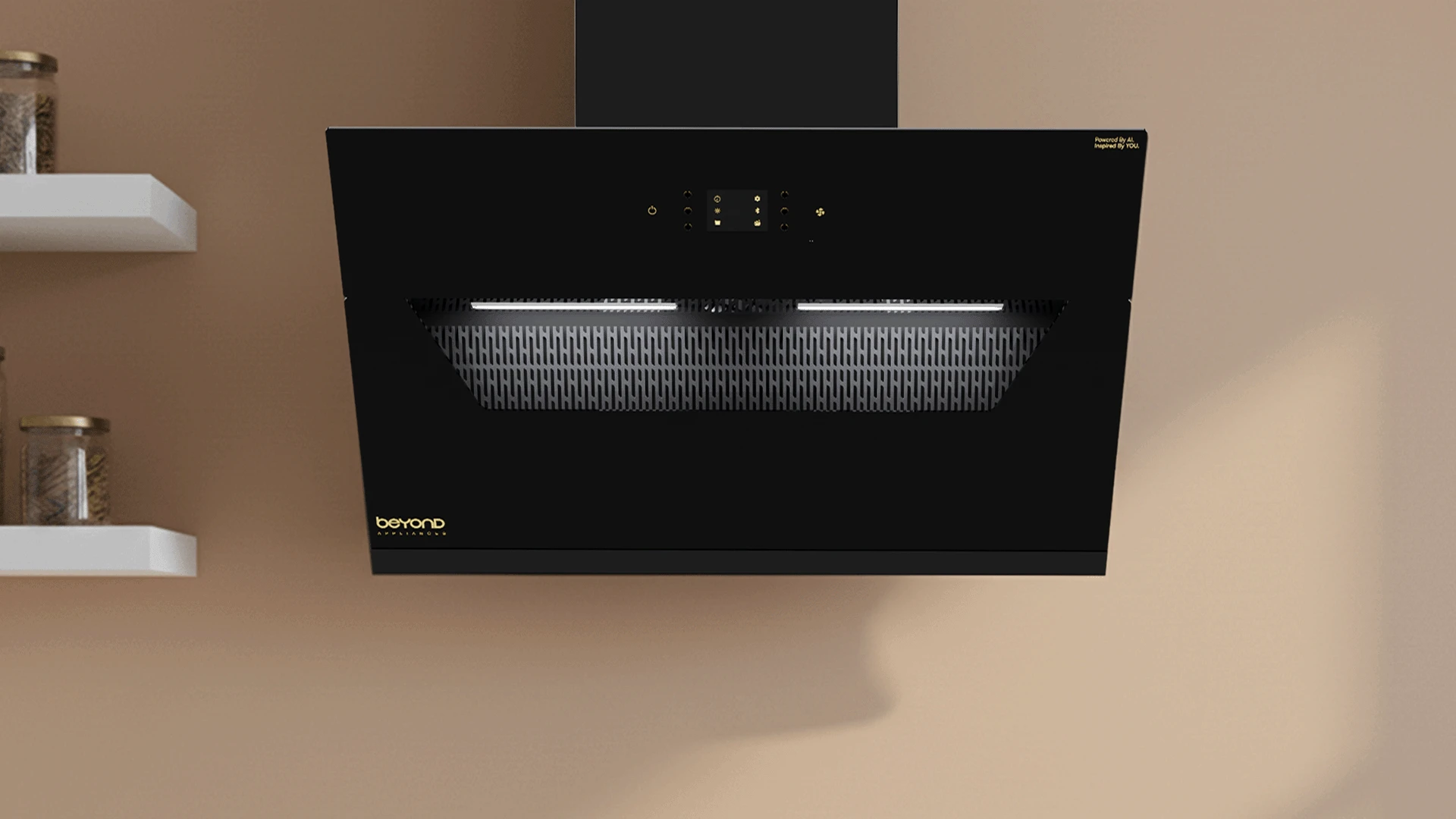
A well-functioning kitchen chimney transforms your cooking experience by efficiently removing smoke, grease, and odors. However, many homeowners struggle with poor airflow despite investing in quality ventilation systems. The key lies in understanding how to optimize your kitchen chimney airflow through proper installation, maintenance, and strategic adjustments. This comprehensive kitchen chimney airflow guide will help you maximize your system's performance, ensuring cleaner air and a more pleasant cooking environment.
Kitchen ventilation efficiency depends on proper airflow calculation and system design. Airflow, measured in CFM (Cubic Feet per Minute), determines how effectively your chimney removes cooking fumes and maintains kitchen air quality. Poor airflow leads to lingering smoke, grease buildup, and inadequate smoke extraction during heavy cooking sessions. Optimized chimney airflow provides multiple benefits including improved indoor air quality, enhanced cooking safety, and reduced energy consumption. When your system operates efficiently, it removes cooking odors faster and prevents grease from settling on kitchen surfaces.
Many kitchens suffer from inadequate ventilation due to improper sizing, poor installation, or lack of maintenance. Smoke lingering despite running the chimney indicates insufficient airflow capacity. Grease accumulation and persistent odors signal that your system isn't capturing cooking fumes effectively.
Efficient cooking fumes removal protects your family's health by eliminating harmful particles and gases. Proper airflow also preserves your kitchen's appearance by preventing grease buildup on walls and cabinets. Additionally, well-ventilated kitchens maintain comfortable temperatures during cooking.
Proper sizing forms the foundation of efficient kitchen ventilation. Understanding CFM requirements helps you select the right chimney capacity for your cooking needs. Industry standards recommend specific calculations based on your stove type and kitchen dimensions. For gas stoves, use the BTU method: divide your total burner BTU by 100 to determine minimum CFM requirements. A 40,000 BTU gas range needs at least 400 CFM capacity. Electric stoves require different calculations based on cooktop width.
The BTU formula provides accurate airflow requirements for gas cooking. Add up all burner BTUs and divide by 100 for your baseline CFM needs. Consider adding 20-30% extra capacity for heavy cooking or larger kitchens.
Electric cooktops use a width-based formula: multiply stove width in inches by 10. A 30-inch electric range requires 300 CFM minimum. This method accounts for the different heat distribution patterns of electric cooking.
Room volume affects ventilation needs significantly. Larger kitchens may require higher CFM ratings even with standard-sized stoves. A 1200 suction power chimney typically suits medium-sized kitchens with moderate to heavy cooking frequency.
Proper chimney installation directly impacts airflow efficiency. Strategic placement ensures maximum capture of cooking fumes while minimizing energy waste. Height, width, and ductwork design all influence your system's performance. Mount your chimney 24-30 inches above the cooktop for optimal capture efficiency. The chimney width should equal or exceed your cooktop width to prevent fumes from escaping around the edges. Follow the 3-2-10 rule for ducted installations: 3 feet minimum height, 2 feet clearance from combustibles, and 10 feet maximum duct length.
Correct mounting height balances capture efficiency with headroom comfort. Too low creates interference during cooking, while too high reduces capture effectiveness. Ensure the chimney covers the entire cooking surface area.
Use 6-inch ducts for 60cm chimneys and 8-inch ducts for 90cm models. Limit duct length to 12 feet maximum for optimal performance. Each 90-degree bend reduces efficiency by approximately 25 CFM, so minimize turns whenever possible.
Direct external venting provides superior performance compared to recirculation systems. Install proper dampers to prevent backdrafts and ensure adequate makeup air for balanced ventilation. Professional installation ensures compliance with local building codes.
Several proven methods can immediately improve your range hood airflow without major modifications. Simple adjustments to cooking habits and system operation often yield significant improvements. Understanding your chimney's capabilities helps optimize its performance. Start cooking with high heat to quickly warm the chimney flue, improving natural draft. Run the chimney for 5-10 minutes before cooking to establish proper airflow patterns. Keep windows slightly open during heavy cooking to provide makeup air.
Begin with hot, fast cooking to create strong thermal currents that enhance natural ventilation. Pre-warming the chimney establishes proper airflow before smoke production begins. Clear the cooking area of obstacles that might disrupt airflow patterns.
Variable speed controls allow precise airflow adjustment based on cooking intensity. Smart features like heat sensors automatically adjust fan speed for optimal performance. Consider upgrading to higher CFM models if current capacity proves insufficient.
Regular filter cleaning maintains optimal airflow by preventing grease buildup. Replace charcoal filters every 3-6 months in ductless systems. Clean ductwork annually to remove accumulated grease and debris that restricts airflow.
Consistent chimney maintenance preserves airflow efficiency and extends system lifespan. Develop a regular cleaning schedule that addresses filters, ductwork, and internal components. Proper maintenance prevents costly repairs and ensures optimal performance. Clean baffle filters monthly with warm soapy water or in the dishwasher. Replace cassette filters every 2-3 months depending on cooking frequency. Inspect and clean ductwork annually to maintain unrestricted airflow paths.
Daily wipe-downs prevent grease accumulation on external surfaces. Weekly filter inspections identify cleaning needs before performance degrades. Monthly deep cleaning maintains optimal airflow capacity.
Reduced suction often indicates clogged filters or blocked ducts. Unusual noises may signal motor problems or loose components. Address issues promptly to prevent further damage and maintain efficiency.
Handle basic cleaning and filter replacement yourself. Call professionals for motor repairs, electrical issues, or complex ductwork modifications. Annual professional inspections identify potential problems before they affect performance.
The 3-2-10 rule specifies minimum installation requirements: 3 feet height above cooktop, 2 feet clearance from combustible materials, and maximum 10 feet duct length for optimal airflow efficiency.
1200 CFM suction power typically suits medium-sized kitchens with moderate to heavy cooking. Calculate your specific needs using the BTU method for gas stoves or width formula for electric cooktops.
For gas stoves, divide total BTU by 100. For electric stoves, multiply width in inches by 10. Add 20-30% extra capacity for heavy cooking or larger kitchen spaces.
Limit ductwork to 12 feet maximum length for best performance. Each 90-degree bend reduces efficiency by approximately 25 CFM, so minimize turns and use smooth, straight runs when possible.
Clean baffle filters monthly, replace cassette filters every 2-3 months, and inspect ductwork annually. Heavy cooking may require more frequent maintenance to maintain optimal airflow.
Yes, through filter cleaning, ductwork optimization, variable speed upgrades, or motor replacement. Professional assessment determines the most effective improvement methods for your specific system.
Lingering smoke, persistent cooking odors, grease buildup on surfaces, reduced suction power, and unusual operating noises indicate airflow problems requiring immediate attention.
Ducted systems provide superior airflow and smoke extraction by venting outside. Ductless systems work well where external venting isn't possible but require regular filter replacement for optimal performance.
Maximizing kitchen chimney airflow requires proper sizing, strategic installation, and consistent maintenance. Calculate your CFM requirements accurately based on stove type and cooking habits. Install your chimney at the correct height with properly designed ductwork for optimal performance. Regular maintenance preserves efficiency and prevents costly repairs. Clean filters monthly, inspect ductwork annually, and address issues promptly. Consider professional upgrades if your current system doesn't meet your ventilation needs. With proper care and optimization, your kitchen chimney will provide years of efficient cooking fumes removal and improved kitchen air quality.
