
How to Maximize Induction Hob Benefits at Home
Cart
Your cart is empty
Modern kitchens are evolving rapidly, and induction cooking technology stands at the forefront of this transformation. Induction hob benefits extend far beyond simple cooking convenience, offering homemakers a perfect blend of efficiency, safety, and precision. Whether you're renovating your kitchen or upgrading from traditional gas cooking, understanding how to maximize these advantages can revolutionize your culinary experience. From energy savings to enhanced safety features, induction hobs deliver smart cooking solutions that align with contemporary lifestyle demands.
Induction cooking represents a significant leap forward in kitchen technology, utilizing electromagnetic fields to heat cookware directly rather than heating the cooking surface. This fundamental difference creates numerous advantages that make induction hobs increasingly popular among discerning home cooks.
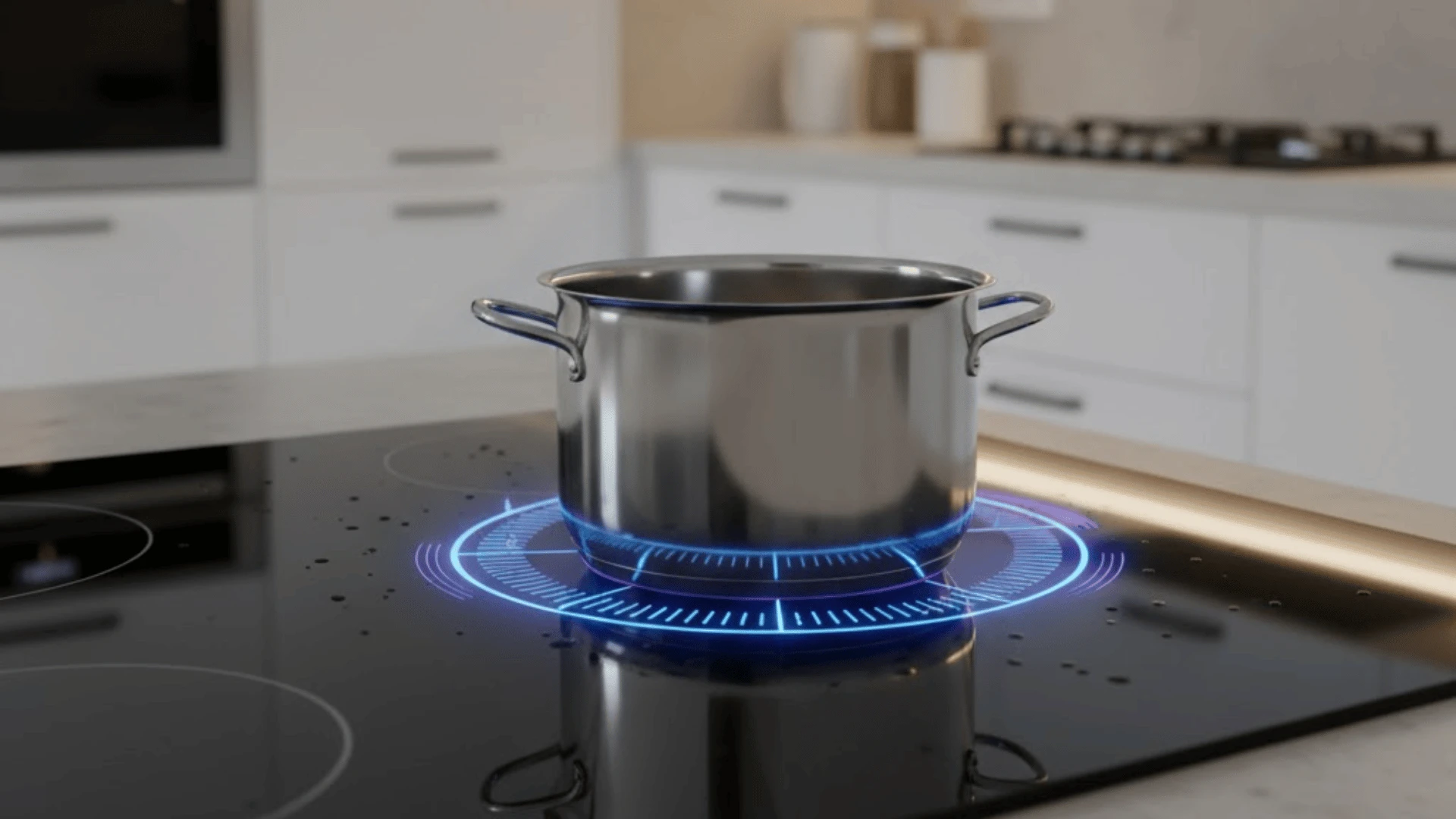
Induction cooking technology operates through electromagnetic induction, creating a magnetic field that directly heats compatible cookware. Unlike traditional gas or electric cooktops, the cooking surface remains relatively cool while the pan heats up instantly. This precise heating method ensures maximum energy transfer and superior temperature control, making it ideal for both delicate simmering and high-heat searing.
The benefits of induction cooking are numerous and compelling: • Energy efficiency: Up to 90% heat transfer directly to cookware • Precise temperature control: Instant heat adjustment for perfect cooking results • Enhanced safety features: Cool cooking surface reduces burn risks • Easy cleaning: Smooth glass surface wipes clean effortlessly • Space-saving design: Sleek profile fits modern kitchen aesthetics
Induction hob efficiency translates into tangible benefits for your household budget and cooking routine. The superior energy transfer and rapid heating capabilities make induction cooking one of the most efficient cooking methods available today.
Induction hobs consume significantly less energy compared to traditional cooking methods. While gas cooktops typically achieve only 40-50% energy efficiency, induction technology reaches up to 90% efficiency. This translates to monthly electricity savings of approximately INR 500-800 for average households, depending on cooking frequency and local electricity rates.
The instant heat response of induction technology reduces cooking times by 25-50% compared to conventional methods. Water boils in half the time, and temperature adjustments happen immediately. This efficiency makes meal preparation faster and more convenient, especially valuable for busy working professionals and homemakers managing multiple tasks.
When comparing induction hob vs gas cooking, several key differences emerge that highlight the induction cooktop advantages. Understanding these distinctions helps homeowners make informed decisions about their kitchen upgrades.
Induction hobs offer superior safe cooking options compared to gas alternatives: • Cool surface technology: Cooking surface stays cool, preventing accidental burns • Automatic shut-off: Built-in safety features prevent overheating • Child safety locks: Touch controls can be locked to prevent accidental activation • No gas leak risks: Eliminates concerns about gas leaks or carbon monoxide
Temperature precision sets induction cooking apart from gas alternatives. While gas flames can be difficult to control precisely, induction hobs offer exact temperature settings with digital displays. Heat adjustment happens instantly, providing professional-level cooking control in home kitchens.
Modern induction hobs incorporate smart cooking benefits that enhance the overall culinary experience. These induction hob features represent the latest in kitchen technology innovation.
Today's induction hobs include sophisticated features that simplify cooking: • Touch controls: Intuitive digital interfaces replace traditional knobs • Pre-programmed modes: Specific settings for different cooking techniques • Timer functions: Automatic shut-off prevents overcooking • Temperature memory: Recalls frequently used settings
Advanced safety systems make induction cooking exceptionally secure. Overheating protection automatically adjusts power levels, while pan detection sensors ensure the hob only operates when compatible cookware is present. Residual heat indicators provide visual warnings, and the smooth glass surface cleans easily with simple wiping.
To fully realize induction hob benefits, proper setup and usage techniques are essential. Understanding cookware compatibility and optimal cooking methods ensures maximum efficiency and performance.
Induction cooking requires magnetic cookware for proper function. Cast iron, stainless steel with magnetic properties, and specialized induction-compatible materials work best. Cookware should have flat bottoms that match the cooking zone size for optimal heat transfer and energy efficiency.
Maximizing performance involves understanding power level recommendations for different cooking tasks. Low settings work perfectly for simmering and melting, while high settings excel for boiling and searing. Multi-zone cooking allows simultaneous preparation of different dishes, optimizing meal preparation time.
Proper installation ensures you receive all intended induction hob benefits while maintaining safety standards. Professional installation guarantees optimal performance and longevity.
Induction hobs require adequate electrical supply, typically 220-240V connections. Professional installation ensures proper wiring and safety compliance. Many manufacturers offer free installation services, ensuring optimal setup without additional costs.
Induction hobs integrate seamlessly into modern kitchen designs. The sleek profile fits flush with countertops, creating clean lines and maximizing workspace. Proper ventilation, while less critical than with gas cooking, still enhances overall kitchen comfort.
Yes, induction hobs provide excellent value through energy savings, faster cooking times, and enhanced safety features. Most users recover the initial investment within 2-3 years through reduced energy costs.
While induction hobs use electricity, their superior efficiency (90% vs 40-50% for gas) often results in lower overall energy costs, especially considering current gas price trends.
Only magnetic cookware works with induction technology. Test your existing pans with a magnet – if it sticks firmly to the bottom, the cookware is compatible.
Quality induction hobs typically last 10-15 years with proper maintenance. The absence of moving parts and flames contributes to their longevity.
Induction hobs are exceptionally safe for families. The cool cooking surface, child locks, and automatic shut-off features make them safer than traditional gas or electric cooktops.
Induction hobs represent the future of home cooking, offering unmatched efficiency, safety, and convenience. The combination of energy efficient cooktop technology, precise temperature control, and advanced safety features makes induction cooking an excellent investment for modern households. By understanding proper usage techniques and maximizing the available features, homeowners can transform their cooking experience while reducing energy costs and enhancing kitchen safety.
