

How to Maximize Cooktop Burner Efficiency Today
Modern kitchens demand more than just functionality—they require cooktop burner efficiency explained through smart design and energy-conscious cooking practices. With rising energy costs and environmental concerns, understanding how to maximize your cooktop's performance has become essential for every household. Whether you're using gas, electric, or induction cooking surfaces, the right techniques can reduce energy consumption by up to 50% while improving cooking speed and precision. This comprehensive guide explores proven methods to enhance cooktop efficiency across all burner types, helping you make informed decisions about your kitchen's energy footprint and monthly utility bills.
Cooktop burner efficiency explained refers to the percentage of energy that successfully converts from fuel or electricity into usable cooking heat. This measurement determines how much energy reaches your food versus what gets wasted into the surrounding air. Different cooktop technologies achieve varying efficiency levels, directly impacting your energy bills and cooking performance. Gas cooktops typically operate at 32-55% thermal efficiency, meaning nearly half of the energy gets lost during combustion. Electric coil and smooth-top models perform better at 65-80% efficiency, while induction cooktops lead the market with impressive 85-90% efficiency ratings. These differences translate to significant cost savings over time, especially for households that cook frequently.
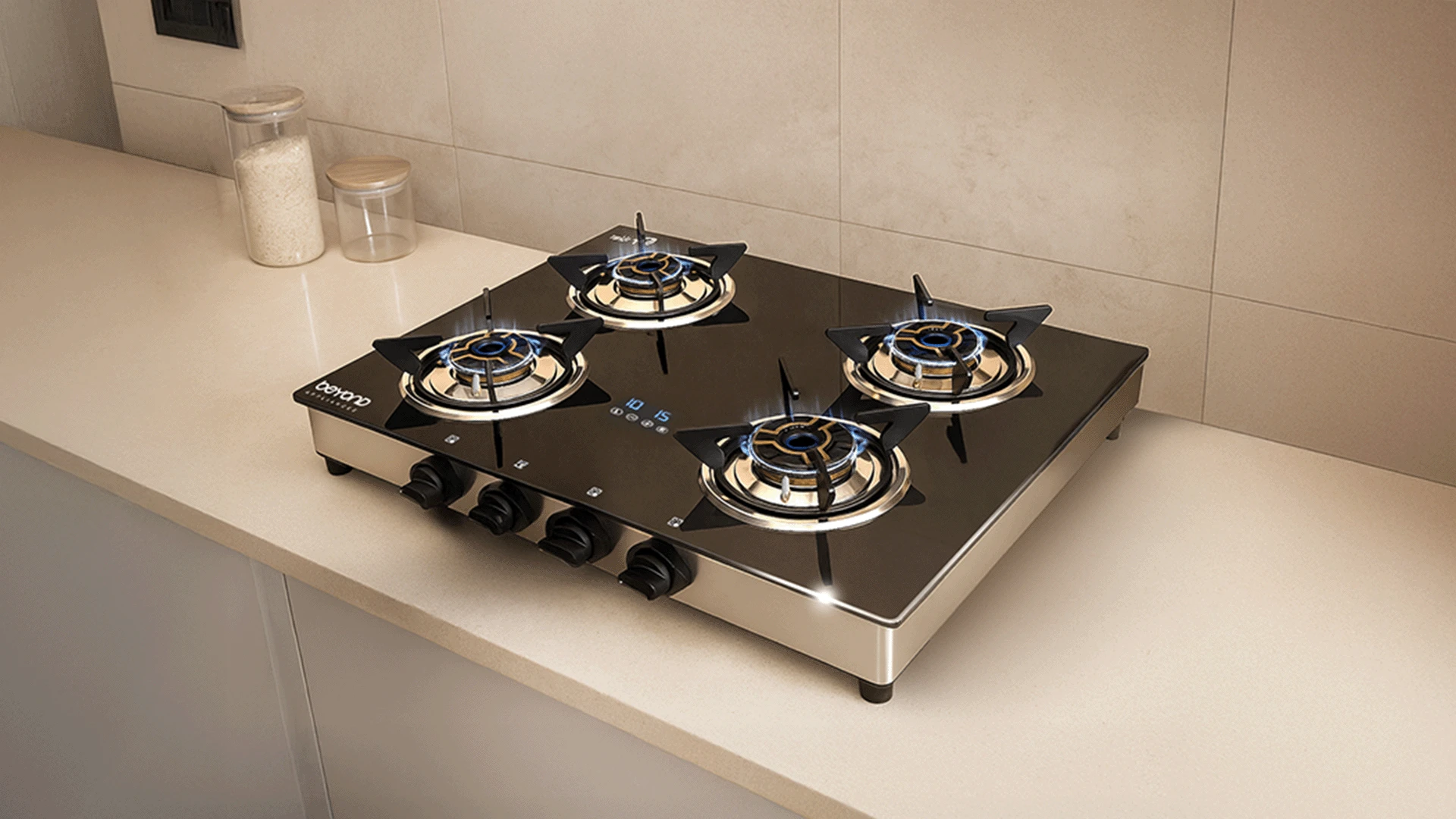
Gas burners lose substantial energy through combustion inefficiencies and heat dispersion. The flame heats not only your cookware but also the surrounding air, creating thermal waste. Proper flame adjustment ensures optimal air-to-gas ratios, producing blue flames that indicate complete combustion and maximum gas burner efficiency.
Electric cooktop efficiency benefits from direct contact heating, where coils or smooth surfaces transfer energy directly to cookware bottoms. This method reduces heat loss compared to gas flames, though some energy still escapes around pan edges. Matching burner sizes to cookware dimensions maximizes energy transfer and cooking speed.
Induction cooktops represent the pinnacle of efficient cooktop technology, using electromagnetic fields to heat cookware directly. This revolutionary approach eliminates the intermediate heating element, transferring energy straight to magnetic cookware materials. The result is unprecedented efficiency levels that outperform traditional cooking methods. Induction cooktop efficiency reaches 85-90% because electromagnetic energy converts directly into heat within the pan itself. Unlike gas or electric burners that heat the air around cookware, induction technology creates heat only where needed. This precision reduces energy waste and provides instant temperature control, allowing cooks to adjust heat levels immediately.
Induction surfaces boil water 50% faster than gas burners while using less energy. The electromagnetic field responds instantly to control adjustments, providing restaurant-quality precision for delicate cooking techniques. Temperature consistency remains superior throughout the cooking process, ensuring even heat distribution.
Induction cooking requires magnetic-bottom cookware made from cast iron, carbon steel, or magnetic stainless steel. Non-magnetic materials like aluminum, copper, or glass won't work unless they feature magnetic bases. This limitation requires cookware investment but delivers long-term energy savings through improved burner efficiency.
Implementing smart cooking practices dramatically improves energy efficiency regardless of cooktop type. These techniques focus on heat retention, proper equipment usage, and timing optimization to minimize energy waste during meal preparation. Cookware selection plays a crucial role in cooktop energy consumption. Heavy-bottomed pans with flat surfaces ensure maximum contact with heating elements, improving heat transfer efficiency. Lightweight or warped cookware creates air gaps that reduce energy transfer and increase cooking times.
Using lids during cooking reduces energy consumption by 25% through improved heat retention. The trapped steam and heat cook food faster while preventing energy loss to the surrounding environment. This simple technique works across all cooktop types and cooking methods. Matching burner sizes to cookware dimensions prevents energy waste around pan edges. Small pans on large burners lose significant heat to the air, while oversized cookware on small burners creates uneven heating patterns. Proper sizing ensures optimal burner heat output utilization.
Starting with high heat to reach desired temperatures quickly, then reducing to maintain cooking levels, minimizes overall energy usage. This technique prevents overcooking while reducing the time burners operate at maximum output. Residual heat from electric and induction surfaces continues cooking even after turning off, allowing energy savings during final cooking stages.
Understanding cooktop energy consumption patterns helps homeowners make informed decisions about appliance purchases and usage habits. Annual energy costs vary significantly between cooktop types, with efficiency levels directly impacting monthly utility bills. Gas cooktops typically cost INR 3,000-6,000 annually for average household cooking, depending on local gas prices and usage patterns. Electric models range from INR 3,600-7,200 yearly, while induction cooktops average INR 2,400-5,000 despite higher electricity rates. These differences reflect efficiency variations and cooking speed improvements.
Burner heat output optimization requires understanding each cooktop's capabilities and limitations. Gas burners provide instant heat control but waste energy through combustion inefficiencies. Electric surfaces offer consistent heating but require preheating time. Induction technology delivers immediate response with minimal energy loss. Maintenance significantly impacts efficiency across all cooktop types. Clean gas burners ensure proper combustion and flame patterns, while debris-free electric surfaces maintain optimal heat transfer. Regular cleaning improves performance by 15-20% compared to neglected appliances.
Upgrading to more efficient cooktop technology often pays for itself through reduced energy costs. Induction cooktops, despite higher initial prices, typically recover their premium through energy savings within 3-5 years for frequent cooks. The calculation includes purchase price differences, installation costs, and projected energy savings.
Regular maintenance ensures consistent cooktop efficiency throughout the appliance's lifespan. Simple cleaning routines and periodic inspections prevent performance degradation that increases energy consumption over time. Gas burner maintenance involves cleaning ports and ensuring proper flame patterns. Blocked ports create uneven flames that reduce heating efficiency and increase cooking times. Yellow or orange flames indicate incomplete combustion, requiring professional adjustment to restore optimal performance.
Electric cooktop maintenance focuses on keeping heating elements and surfaces clean. Residue buildup creates insulation barriers that reduce heat transfer efficiency. Smooth-top surfaces require gentle cleaning to prevent scratches that can affect heating uniformity.
Induction cooktops need minimal maintenance beyond regular cleaning. The smooth glass surface wipes clean easily, while the absence of exposed heating elements reduces maintenance requirements. Ensuring cookware bottoms remain flat and clean maintains optimal electromagnetic coupling for maximum efficiency.
Choosing efficient cooking methods reduces environmental impact through lower energy consumption and reduced carbon emissions. Efficient cooking practices contribute to sustainability goals while providing immediate cost benefits to households. Induction cooking produces the lowest carbon footprint when powered by renewable electricity sources. Gas cooking releases direct emissions during combustion, while electric cooking's environmental impact depends on local power generation methods. Energy efficiency improvements benefit both personal finances and environmental conservation.
Induction cooktops achieve 85-90% efficiency, significantly higher than gas (32-55%) or electric (65-80%) alternatives. The electromagnetic heating technology transfers energy directly to cookware, minimizing heat loss to surrounding air.
Proper techniques like using lids, matching pan sizes to burners, and optimal temperature control can reduce cooking energy consumption by 25-50%. These savings compound over time, especially for households that cook frequently.
Heavy-bottomed pans with flat surfaces ensure optimal heat transfer across all cooktop types. For induction cooking, magnetic materials like cast iron or magnetic stainless steel are essential for electromagnetic coupling.
Daily cleaning after use maintains peak efficiency. Deep cleaning weekly prevents buildup that reduces heat transfer. Gas burners benefit from monthly port cleaning to ensure proper flame patterns.
Yes, efficient cooktops like induction models cook 50% faster than gas while using less energy. Better heat transfer and precise temperature control reduce cooking times across most recipes.
Maximizing cooktop burner efficiency explained through proper technology selection and cooking techniques delivers immediate benefits in energy savings and cooking performance. Induction technology leads efficiency rankings, while smart cooking practices improve results across all cooktop types. Regular maintenance, appropriate cookware selection, and energy-conscious cooking habits create lasting improvements in kitchen efficiency. Understanding these principles empowers homeowners to make informed decisions that benefit both their budgets and environmental impact while enhancing their daily cooking experience.
