

How to Install a Recirculating Chimney: Full Guide
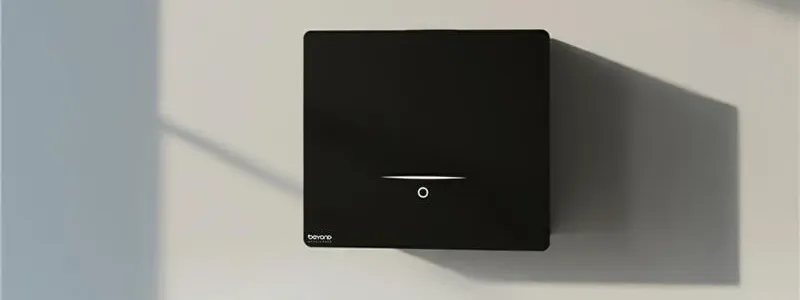
Installing a recirculating chimney in your kitchen can transform your cooking experience without the need for complex ductwork. These innovative ductless chimney systems offer excellent ventilation while maintaining the flexibility of installation in any kitchen layout. Whether you're renovating an existing space or designing a new kitchen, understanding how a recirculating chimney explained works and how to install it properly will help you make the most of this efficient kitchen ventilation solution. This comprehensive guide walks you through every step of the installation process, from planning to maintenance, ensuring your ventless chimney operates at peak performance for years to come.
A recirculating chimney is a self-contained ventilation system that cleans cooking air through filtration rather than expelling it outside. Unlike traditional chimneys that require external ducting, this chimney without duct draws in cooking fumes, grease, and odors, filters them through specialized chimney filter systems, and returns clean air back into the kitchen. The system typically combines aluminum grease filters with activated carbon filters to capture particles and neutralize odors effectively. The core advantage of a ductless chimney lies in its installation flexibility. Since no external venting is required, you can install these units in kitchens where traditional ducting would be impossible or prohibitively expensive. This makes them ideal for apartments, condominiums, or homes where structural modifications are limited. The indoor chimney design also means no heat loss during winter months, as the filtered air remains within the living space.
Every recirculating chimney contains essential components that work together for effective filtration. The motor and fan assembly creates the necessary suction power, while multiple filter layers trap different types of contaminants. LED lighting illuminates the cooking surface, and electronic controls allow you to adjust fan speeds based on cooking intensity.
Understanding the different types of chimneys helps you choose the right model for your kitchen layout and cooking needs. Wall-mounted ductless chimney units are the most common choice, offering powerful suction and sleek designs that complement modern kitchen aesthetics. These models typically range from 60cm to 90cm in width, accommodating various cooktop sizes. Island recirculating chimney models provide ventilation for cooking areas positioned away from walls. These units require ceiling mounting and often feature 360-degree suction capabilities. Under-cabinet ventless chimney options work well in compact kitchens where space is at a premium, though they may have lower suction capacity compared to full-size models.
Curved and T-shaped indoor chimney models offer unique aesthetic appeal while maintaining excellent functionality. Slant or inclined designs provide better access to rear burners while maintaining effective suction across the entire cooking surface.
Proper planning ensures successful chimney installation and optimal performance. Start by measuring your cooking area to determine the appropriate chimney size. The unit should be at least as wide as your cooktop, with 60cm models suitable for 4-burner stoves and 90cm units ideal for larger cooking surfaces. Calculate the required suction capacity based on your kitchen size – typically 10-12 times the kitchen volume per hour. Electrical requirements vary by model, but most recirculating chimney units require a dedicated 15-amp circuit. Ensure your electrical panel can accommodate this load and that a suitable outlet or hardwired connection is available near the installation location. Check local building codes for any specific requirements regarding kitchen ventilation systems.
Gather all necessary tools before beginning installation: drill with masonry and wood bits, level, measuring tape, screwdriver set, wire nuts, and safety equipment. Most ductless chimney units include mounting brackets and screws, but you may need additional wall anchors depending on your wall type.
Begin your chimney installation by marking the mounting location on the wall. Position the template provided with your recirculating chimney at the correct height – typically 65-75cm above the cooktop surface. Use a level to ensure proper alignment and mark all mounting holes clearly. For masonry walls, use appropriate drill bits and anchors to ensure secure mounting. Create the electrical connection according to local codes and manufacturer specifications. Most ventless chimney units can be hardwired or plugged into a dedicated outlet. If hardwiring, ensure the power is turned off at the circuit breaker before making any electrical connections. Install the mounting bracket securely, checking that it can support the full weight of the unit plus the stress of operation. Attach the main indoor chimney unit to the mounting bracket, ensuring all connections are secure. Install the chimney filter components according to the manufacturer's instructions – typically starting with the aluminum grease filters followed by the carbon odor filters. Test all functions including fan speeds, lighting, and any electronic controls before completing the installation.
Once installation is complete, test your ductless chimney at all fan speeds to ensure proper operation and acceptable noise levels. Check that the unit effectively captures cooking vapors by testing with actual cooking activities.
Regular chimney maintenance ensures optimal performance and extends the life of your recirculating chimney. Clean aluminum grease filters monthly by washing them in warm, soapy water or placing them in the dishwasher. Allow filters to dry completely before reinstalling. Replace carbon chimney filter elements every 3-6 months, depending on cooking frequency and types of food prepared. Monitor the performance of your ventless chimney regularly. Reduced suction power, increased noise levels, or persistent odors may indicate the need for filter replacement or professional service. Keep the exterior surfaces clean with appropriate cleaners to maintain the unit's appearance and prevent grease buildup that could affect performance.
If your indoor chimney develops problems, check the most common causes first. Clogged filters are the primary reason for reduced performance, while loose electrical connections can cause intermittent operation. Unusual noises often indicate worn motor bearings or loose components that require professional attention.
When choosing between a recirculating chimney and traditional ducted systems, consider your specific needs and constraints. Ductless chimney systems offer easier installation, lower upfront costs, and greater flexibility in kitchen design. However, ducted systems typically provide superior odor removal and don't require ongoing filter replacement costs. The effectiveness of a chimney without duct depends largely on proper filter maintenance and appropriate sizing for your cooking habits. Heavy cooking with strong spices or frequent frying may benefit more from ducted systems, while normal cooking activities are well-served by quality recirculating chimney units.
Initial costs for ventless chimney installation are typically lower than ducted systems, as no ductwork modifications are required. However, factor in ongoing filter replacement costs when calculating long-term expenses. Quality replacement filters typically cost INR 500-2000 depending on the model and filter type.
Recirculating chimneys effectively remove grease and reduce odors through multi-stage filtration, achieving 80-90% efficiency when properly maintained. While ducted systems may have slight advantages in odor removal, quality ductless units provide excellent performance for most cooking activities.
Many homeowners can successfully install recirculating chimneys themselves, especially wall-mounted models. However, electrical connections should be made by qualified electricians, and complex installations may benefit from professional installation to ensure optimal performance.
Aluminum grease filters should be cleaned monthly and replaced annually or when damaged. Carbon odor filters typically need replacement every 3-6 months, depending on cooking frequency and types of food prepared.
Choose a chimney at least as wide as your cooktop, with suction capacity of 10-12 times your kitchen volume per hour. For a 100 square foot kitchen with 8-foot ceilings, look for units with 400-500 CFM capacity.
Yes, when equipped with quality carbon filters and properly maintained, recirculating chimneys effectively neutralize most cooking odors. The key is regular filter replacement and choosing appropriate filter types for your cooking style.
Installing a recirculating chimney provides excellent kitchen ventilation without the complexity of external ducting. Success depends on proper planning, correct sizing, and regular maintenance of filter components. While these ductless chimney systems require ongoing filter replacement, they offer unmatched installation flexibility and effective performance for most cooking needs. With proper installation and maintenance, your ventless chimney will provide years of reliable service, keeping your kitchen air clean and comfortable while adding value to your home.
