

How to Install a New Cooktop Stove: A Complete Guide
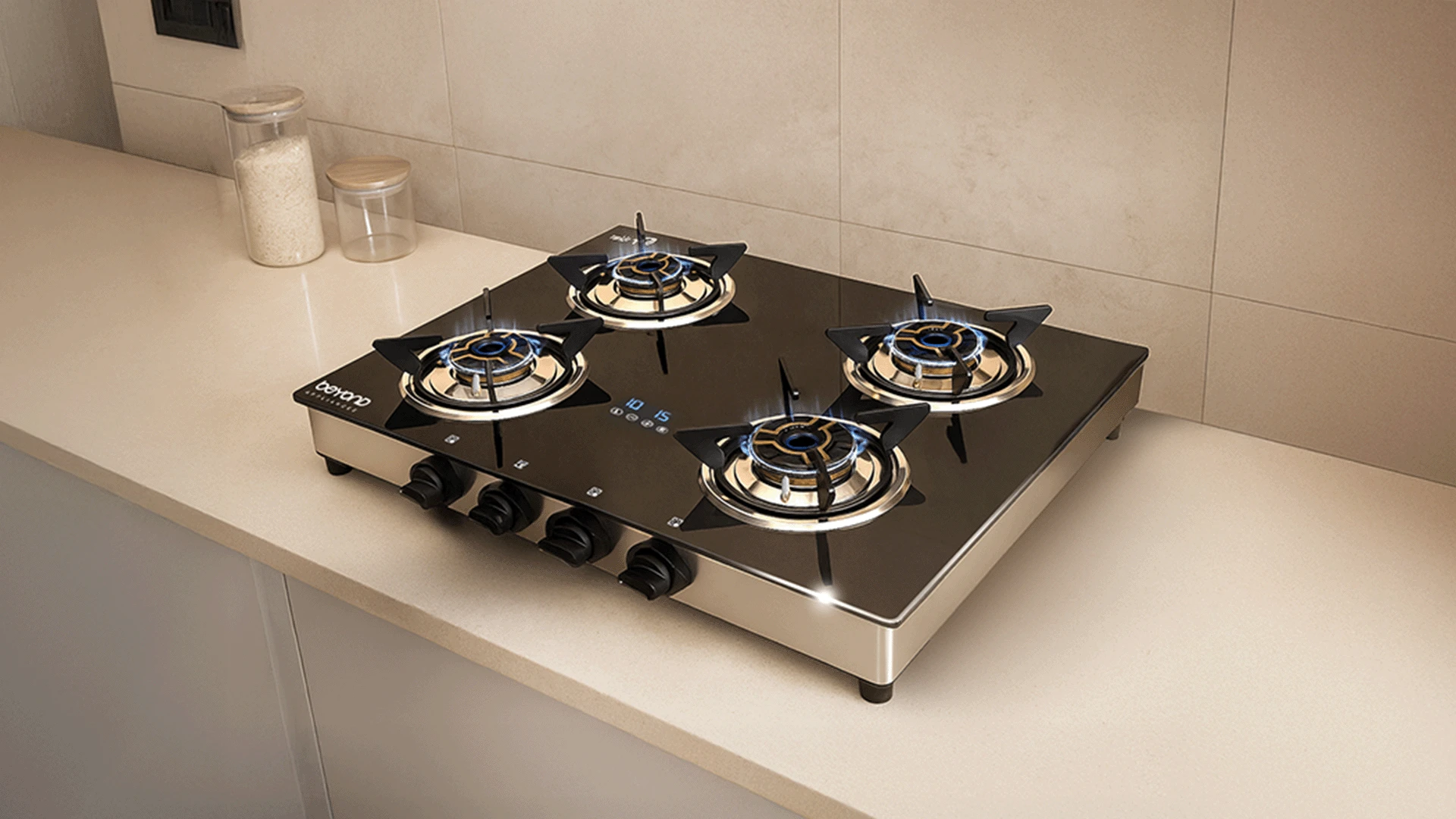
Installing a new cooktop stove can transform your kitchen experience, bringing modern efficiency and style to your cooking space. Whether you're upgrading from an old gas stove top or switching to a sleek induction cooktop, proper installation ensures optimal performance and safety. This comprehensive guide walks you through everything you need to know about how cooktop stove installation works, from understanding different types to completing the setup process safely.
Choosing the right cooktop for your kitchen depends on your cooking preferences, available utilities, and budget. Each type of cooking range offers unique benefits and installation requirements that affect the overall process.
Gas cooktops provide instant heat control and work with all cookware types. Natural gas connections require a dedicated gas line with proper pressure regulation, while propane models need tank connections and specialized fittings. Professional installation is often required for gas line modifications or new connections.
Ventilation becomes crucial with gas cooktops to remove combustion byproducts safely. Most installations require a range hood or proper ventilation system to maintain air quality and prevent moisture buildup.
Electric cooktops need 240-volt electrical connections with dedicated circuits rated for high amperage loads. Most models require 40-50 amp circuits with proper GFCI protection for safety. Hardwired installations offer more permanent solutions, while plug-in models provide flexibility for future changes.
Circuit breaker specifications must match the cooktop's power requirements exactly. Undersized electrical systems can cause performance issues and safety hazards during operation.
Induction cooktops use electromagnetic fields to heat compatible cookware directly, offering precise temperature control and energy efficiency. These units require similar electrical specifications to electric models but generate less ambient heat during cooking.
Electromagnetic compatibility considerations include potential interference with nearby electronics and safety concerns for individuals with pacemakers. Proper grounding and installation help minimize these issues.
Portable cooktops offer flexibility for small kitchens or temporary cooking solutions. These units typically plug into standard electrical outlets and require minimal installation effort. Single or double-burner models work well for apartments or supplemental cooking needs.
Successful cooktop installation starts with thorough planning and accurate measurements. Taking time to assess your kitchen space and utility requirements prevents costly mistakes and ensures proper fit and function.
Standard cooktop dimensions range from 30 to 36 inches wide, with depth measurements typically between 20-22 inches. Countertop cutout specifications must match manufacturer requirements exactly to ensure proper support and sealing.
Clearance requirements include minimum distances from walls, cabinets, and other appliances for safety and proper ventilation. Most installations need at least 30 inches of clearance above the cooking surface.
Professional assessment becomes necessary when existing electrical or gas connections don't match new cooktop requirements. Licensed electricians and plumbers can evaluate current systems and recommend necessary upgrades safely.
Permit requirements vary by location and installation type, with gas line work and major electrical modifications typically requiring professional oversight and inspection approval.
Essential installation tools include screwdrivers, drill bits, measuring tape, level, and safety equipment like gloves and safety glasses. Gas installations require additional tools for pipe fitting and leak detection.
Professional installation costs typically range from INR 3,000 to INR 8,000 depending on complexity, while DIY installations save labor costs but require proper tools and expertise.
The installation process varies by cooktop type but follows similar basic steps for preparation, connection, and testing. Following manufacturer instructions and safety guidelines ensures successful installation and optimal performance.
Safe disconnection starts with turning off electrical power at the circuit breaker or shutting off gas supply at the main valve. Allow sufficient cooling time before handling recently used cooktops to prevent burns.
Carefully lift the old unit from the countertop cutout, supporting the weight evenly to avoid damage to surrounding surfaces. Proper disposal methods include recycling centers or appliance retailers offering trade-in programs.
Gas line connections require flexible connectors rated for appliance use, with proper threading compound applied to prevent leaks. Professional installation ensures compliance with local codes and safety standards.
Leak testing using soap solution or electronic detectors confirms safe connections before first use. Any detected leaks require immediate attention and professional repair before operation.
240-volt electrical connections require matching wire gauge and circuit protection for safe operation. GFCI protection may be required by local electrical codes for kitchen appliance installations.
Testing electrical connections with a multimeter verifies proper voltage and grounding before connecting the cooktop. Incorrect wiring can damage the appliance and create safety hazards.
Proper mounting techniques include using manufacturer-provided brackets and hardware to secure the cooktop in the cutout opening. Weatherproofing seals prevent moisture infiltration and maintain countertop integrity.
Final safety checks include verifying all connections, testing each burner or heating element, and confirming proper operation of safety features like automatic shutoffs.
Regular maintenance and safety practices extend cooktop life and ensure safe operation. Understanding proper care procedures helps prevent common problems and maintains optimal cooking performance.
Gas leak detection using electronic detectors or soap solutions confirms safe connections throughout the system. Any unusual odors or suspected leaks require immediate professional attention and system shutdown.
Electrical connection verification includes testing GFCI functionality and confirming proper grounding. Heat distribution testing ensures even cooking performance across all burners or heating zones.
Cleaning different cooktop surfaces requires specific approaches - glass tops need non-abrasive cleaners while gas grates can handle more aggressive cleaning methods. Regular cleaning prevents buildup that affects performance and appearance.
Burner maintenance schedules include periodic inspection of gas ports for blockages and electric element connections for wear or damage. Professional inspections every few years help identify potential issues early.
Uneven heating problems often result from blocked gas ports, damaged electric elements, or improper cookware selection for induction models. Simple cleaning or cookware changes resolve most heating inconsistencies.
Ignition issues with gas cooktops typically involve dirty or misaligned ignition electrodes that require cleaning or adjustment. Electrical connection problems may need professional diagnosis and repair.
Kitchen size and layout influence cooktop selection and installation approaches. Understanding these factors helps choose the most appropriate cooking range for your specific space and needs.
Space-efficient installation options include compact 24-inch models or portable cooktops that don't require permanent installation. These solutions maximize cooking capability while preserving valuable counter space.
Portable versus built-in considerations include flexibility for future changes against permanent installation benefits like integrated appearance and dedicated utilities.
Smart cooktop features include Wi-Fi connectivity, app control, and integration with home automation systems. These advanced features require additional setup but offer enhanced convenience and monitoring capabilities.
Aesthetic considerations for built-in designs include matching finishes with existing appliances and ensuring seamless integration with countertop materials and cabinet styles.
Deciding between professional and DIY installation depends on your skill level, local code requirements, and the complexity of your specific installation. Understanding these factors helps make the safest and most cost-effective choice.
Gas line modifications always require licensed professionals due to safety risks and code compliance requirements. Major electrical work including new circuit installation also needs professional expertise and permits.
Local code compliance issues vary by region but commonly require professional oversight for gas appliance installations and high-voltage electrical connections.
Skill level assessment includes understanding electrical safety, gas handling procedures, and tool proficiency. Honest evaluation prevents dangerous situations and costly mistakes during installation.
Safety precautions include proper tool use, utility shutoffs, and having emergency contacts readily available. Common mistakes include improper connections, inadequate support, and skipping safety testing procedures.
Installation cost breakdowns include professional labor (INR 3,000-8,000), permits (INR 500-2,000), and materials (INR 1,000-3,000). DIY installations eliminate labor costs but require tool investment and time commitment.
Energy efficiency comparisons show induction cooktops typically offer 85-90% efficiency versus 40-50% for gas models. Long-term maintenance costs vary by type, with electric models generally requiring less routine maintenance than gas units.
Most modern pacemakers are shielded against electromagnetic interference, but individuals should consult their cardiologist before using induction cooktops. Maintaining at least 24 inches distance during cooking provides additional safety margin.
Cooktops integrate directly into countertops without oven components, offering sleek appearance and space efficiency. Gas cooktops burn fuel for direct heat, electric models use resistance heating, and induction types create magnetic fields that heat compatible cookware directly.
Gas line work typically requires plumbing permits and inspections, while major electrical modifications need electrical permits. Simple replacement installations often don't require permits, but checking local requirements prevents compliance issues.
Standard replacement installations take 2-4 hours, while new installations requiring utility modifications can take 6-8 hours or multiple visits. Complex installations involving countertop modifications may require additional time for proper completion.
Most manufacturer warranties exclude damage from improper installation, whether DIY or professional. Professional installation often includes separate labor warranties that cover installation-related issues for added protection.
Installing a new cooktop stove requires careful planning, proper tools, and attention to safety requirements. Understanding your specific cooktop type and kitchen requirements helps ensure successful installation and optimal performance. While DIY installation can save money, professional installation provides expertise and warranty protection for complex situations.
Regular maintenance and proper operation extend cooktop life and maintain cooking performance. Whether you choose gas, electric, or induction technology, following manufacturer guidelines and safety practices ensures years of reliable cooking capability in your kitchen.
