

How to Increase Kitchen Efficiency with Smart Workflow
A well-organized kitchen can transform your cooking experience from stressful to enjoyable. When you know how to increase kitchen efficiency, meal preparation becomes faster, cleaner, and more satisfying. Smart workflow design isn't just about having the right appliances—it's about creating a system where every movement has purpose and every tool has its place. Whether you're preparing a quick weekday dinner or hosting a dinner party, an efficient kitchen workflow saves time, reduces stress, and makes cooking more enjoyable. The key lies in understanding how different elements of your kitchen work together to create a seamless cooking experience.
Kitchen efficiency refers to the optimal use of space, time, and energy while cooking and cleaning. It's about minimizing unnecessary movements, reducing preparation time, and creating a smooth flow from ingredient storage to final plating. When your kitchen operates efficiently, you spend less time searching for tools and more time enjoying the cooking process.
The psychology behind efficient kitchen design shows that organized spaces reduce mental fatigue and decision-making stress. A cluttered, poorly organized kitchen forces your brain to process too much visual information, leading to cooking anxiety and mistakes. In contrast, a well-designed kitchen workflow allows you to focus on creativity and technique rather than logistics.
Common workflow bottlenecks include poor appliance placement, inadequate storage solutions, and lack of designated work zones. These issues create unnecessary steps, wasted motion, and frustration during cooking. Identifying these bottlenecks is the first step toward creating a more efficient system.
The kitchen triangle rule positions your sink, refrigerator, and stove in a triangular layout to minimize walking distance between these three essential work areas. This classic design principle forms the backbone of smart kitchen layout planning. However, modern kitchens have evolved beyond this simple concept to accommodate larger spaces and multiple cooks.
Today's efficient kitchen design often employs a zone-based approach. The five primary zones include storage (pantry and refrigerator), cleaning (sink and dishwasher), preparation (countertop workspace), cooking (stove and oven), and serving (plating and presentation areas). Each zone should contain the tools and supplies needed for its specific function.
Small kitchens benefit from compact triangles with distances of 4-6 feet between points. Large kitchens can accommodate multiple work triangles or zones, allowing several people to cook simultaneously without interference.
Evaluate your existing kitchen by tracking your movements during typical cooking tasks. Note how many steps you take and identify areas where you frequently backtrack or feel cramped.
Kitchen organization tips focus on creating logical storage systems that support your cooking workflow. The goal is to store items where you'll use them most frequently, reducing search time and unnecessary movement. Start by categorizing your kitchen items into groups: cooking utensils, baking supplies, dinnerware, cleaning supplies, and food storage.
Implement the frequency principle: items used daily should be stored in the most accessible locations, while occasional-use items can occupy higher shelves or deeper cabinets. This approach naturally optimizes kitchen space while improving functionality.
Maximize cabinet height with stackable containers and shelf risers. Install hooks inside cabinet doors for measuring cups and small tools. Use magnetic strips for knives and metal utensils.
Keep countertops clear except for daily-use appliances. Create designated landing zones near the refrigerator and stove for temporary item placement during cooking.
Store pots and pans near the stove, cutting boards near the sink, and spices near the cooking area. This logical placement supports natural kitchen workflow patterns.
Time-saving cooking methods can dramatically improve your kitchen productivity without sacrificing food quality. Professional chefs use mise en place—having everything in its place—before beginning any cooking task. This preparation technique involves washing, chopping, measuring, and organizing all ingredients before turning on the stove.
Batch cooking and easy meal prep strategies multiply your efficiency by preparing multiple meals simultaneously. Cook large quantities of grains, proteins, and roasted vegetables that can be mixed and matched throughout the week. This approach reduces daily cooking time while ensuring healthy, home-cooked meals.
These cooking efficiency hacks minimize cleanup while maximizing flavor. One-pot meals combine proteins, vegetables, and grains in a single vessel, while sheet pan dinners roast everything together in the oven.
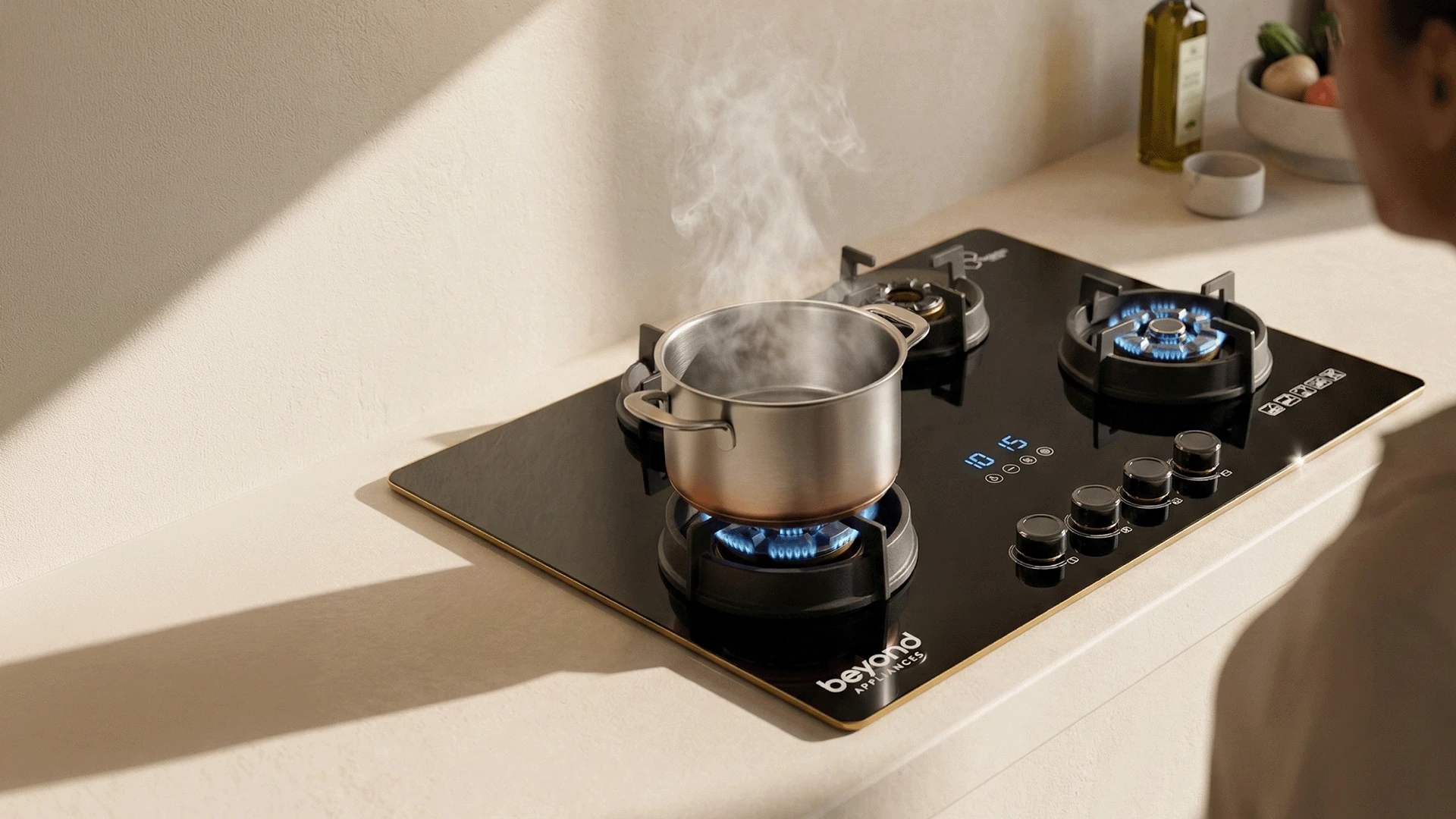
Modern kitchen chimneys and efficient cooktops can significantly improve your cooking experience. Proper ventilation keeps your kitchen comfortable and odor-free, while responsive burners give you better temperature control for various cooking techniques.
A smart kitchen layout considers traffic flow patterns and natural movement during cooking tasks. The ideal design minimizes steps while providing adequate workspace for food preparation. Consider how you move through your kitchen during typical cooking scenarios and identify opportunities to reduce unnecessary walking.
Appliance placement plays a crucial role in workflow efficiency. Position your most-used appliances within easy reach of your primary work area. The dishwasher should be near the sink for easy loading, while the microwave should be accessible without crossing active cooking zones.
Create clear pathways through your kitchen, avoiding bottlenecks near the refrigerator or sink. In multi-cook households, design parallel work areas that don't interfere with each other.
Ensure adequate counter space on both sides of the sink and stove. Install pull-out drawers in lower cabinets for easier access to heavy items like pots and small appliances.
Proper task lighting eliminates shadows and reduces eye strain during food preparation. Under-cabinet LED strips provide excellent illumination for countertop work areas.
The right tools can significantly enhance kitchen productivity when chosen thoughtfully. Invest in high-quality basics like sharp knives, sturdy cutting boards, and reliable measuring tools rather than accumulating gadgets with limited functionality. These fundamental tools form the foundation of efficient cooking.
Modern kitchen appliances offer features that streamline kitchen tasks when properly utilized. Induction cooktops provide precise temperature control and faster heating, while efficient range hoods maintain air quality during intensive cooking sessions. Choose appliances based on your actual cooking habits rather than aspirational ones.
Sharp knives reduce prep time and improve safety. Quality cutting boards in multiple sizes accommodate different tasks. Stackable, clear storage containers keep ingredients fresh and visible.
Modern chimneys with auto-clean functions and efficient suction rates keep your kitchen environment comfortable. Variable-speed controls allow you to match ventilation to cooking intensity, improving both efficiency and energy usage.
Meal planning apps help organize shopping lists and reduce food waste. Digital timers prevent overcooking and allow multitasking during complex meal preparation.
Professional cooking efficiency hacks can elevate your kitchen game significantly. The clean-as-you-go principle maintains workspace organization throughout the cooking process, preventing overwhelming cleanup sessions. Fill your sink with hot, soapy water before cooking and wash tools immediately after use.
Cross-utilization of ingredients streamlines menu planning and reduces waste. Choose versatile ingredients that work in multiple dishes throughout the week. This strategy simplifies shopping while ensuring ingredient freshness and variety in your meals.
Spend 15 minutes each evening resetting your kitchen for the next day. Load the dishwasher, wipe counters, and prepare coffee or breakfast items. This small investment pays dividends in morning efficiency.
Rotate kitchen tools and equipment based on seasonal cooking patterns. Store holiday baking supplies together and keep summer grilling accessories easily accessible during warm months.
Develop consistent routines for repetitive tasks like grocery unpacking, meal prep, and weekly cleaning. Standardized procedures reduce decision fatigue and improve overall kitchen efficiency.
Focus on vertical storage solutions and multi-functional tools. Use wall-mounted racks, magnetic strips, and over-the-sink cutting boards to maximize limited space. Keep only essential appliances on countertops and store seasonal items in less accessible areas.
Sharp knives, quality cutting boards, measuring tools, and stackable storage containers form the efficiency foundation. Add a reliable timer, kitchen scale, and efficient ventilation system like a modern chimney to complete your essential toolkit.
Group similar items together and store them near their point of use. Create designated zones for different activities: prep area near the sink, cooking tools near the stove, and serving items near the dining area. Maintain clear countertops for workspace.
The galley layout works well for single cooks, while L-shaped and U-shaped designs accommodate multiple people. Regardless of shape, maintain the work triangle principle between sink, stove, and refrigerator with distances of 4-9 feet between points.
Meal prep concentrates cooking tasks into dedicated time blocks, reducing daily kitchen cleanup and decision-making. Prepare base ingredients like grains, proteins, and chopped vegetables that can be combined into different meals throughout the week.
Avoid overcrowding countertops, storing items in hard-to-reach places, and neglecting proper lighting. Don't buy gadgets without considering storage space, and avoid placing the dishwasher too far from the sink or dishes.
Creating an efficient kitchen workflow requires thoughtful planning, smart organization, and consistent habits. Start with the basics: optimize your layout using work triangle principles, organize items by frequency of use, and invest in quality tools that support your cooking style. Remember that kitchen efficiency is personal—what works for one cook may not work for another.
Focus on implementing one or two changes at a time rather than attempting a complete kitchen overhaul. Small improvements in organization and workflow can yield significant time savings and stress reduction. Whether you're upgrading appliances like installing a modern chimney system or simply reorganizing your spice cabinet, each step toward efficiency makes cooking more enjoyable and productive. The goal isn't perfection but rather creating a system that supports your cooking goals and lifestyle needs.
