

How to Fix Gas Stove Igniter Problems Fast
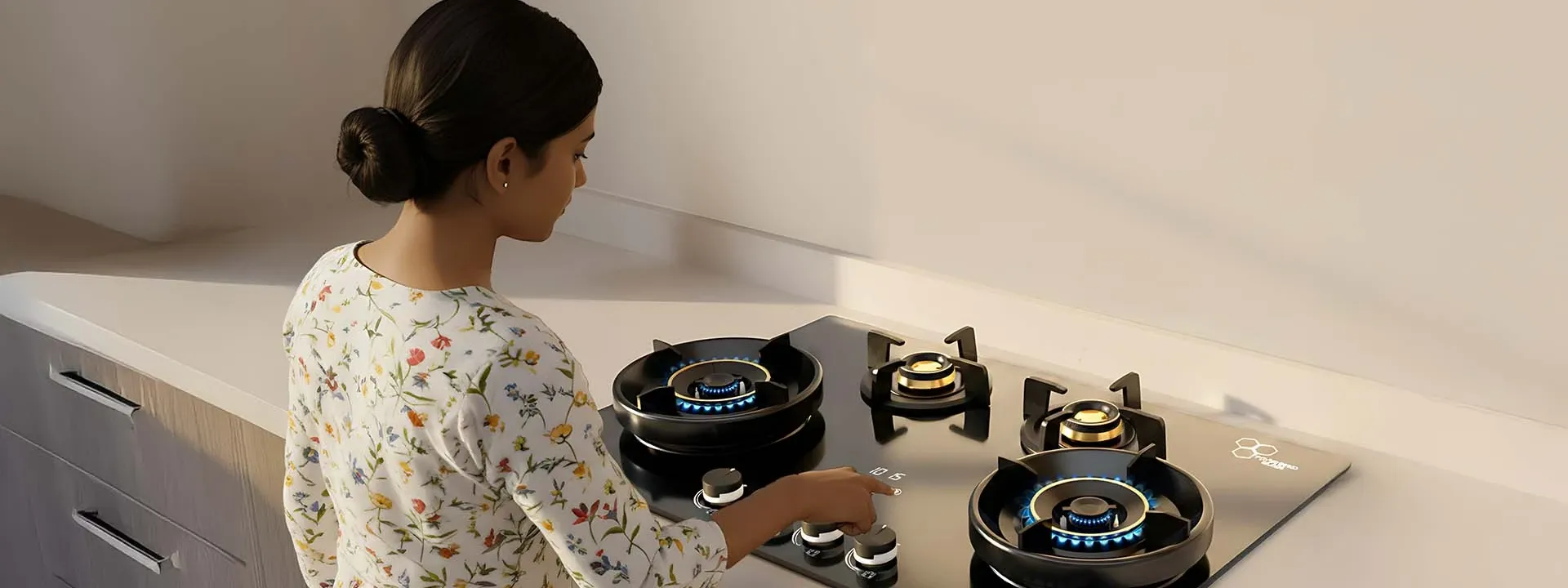
Gas stove igniter issues can turn your cooking routine into a frustrating experience. That persistent clicking sound without ignition affects countless homeowners daily, leaving them unable to prepare meals efficiently. Whether you're dealing with a stove that won't light, continuous clicking, or weak sparks, these problems often have simple solutions that don't require professional intervention. Understanding the root causes and knowing the right troubleshooting steps can save you time, money, and the inconvenience of cooking disruptions. Most gas stove igniter problems can be resolved in under 30 minutes with basic tools and proper guidance.
Recognizing the early warning signs of igniter problems helps prevent complete failure and potential safety hazards. Gas stove igniter issues manifest in various ways, each pointing to specific underlying causes that require different solutions.
The most obvious indicator of stove igniter not working is continuous clicking without producing a flame. This repetitive sound occurs when the igniter attempts to create a spark but fails to ignite the gas properly. You might also notice weak or completely absent sparks when looking at the igniter electrode. A properly functioning igniter should produce a strong, blue-white spark that's clearly visible even in bright kitchen lighting. Another critical warning sign is an orange or yellow flame instead of the characteristic blue flame. This color change indicates incomplete combustion, which can result from igniter problems affecting the gas-air mixture. Additionally, detecting a gas smell without successful ignition suggests the igniter isn't working while gas continues to flow.
Slow ignition requiring multiple attempts often indicates developing igniter problems. When your stove takes several tries to light or only lights intermittently, the igniter electrodes may be wearing out or accumulating debris. Some homeowners notice that only certain burners work while others fail completely, suggesting individual igniter failures rather than system-wide issues. Intermittent ignition failures, where the stove works sometimes but not others, typically point to loose electrical connections or moisture-related problems. These issues often worsen over time without proper attention.
Understanding the root causes of gas stove repair needs helps prevent recurring problems and extends your appliance's lifespan. Most igniter failures stem from preventable issues related to cleaning, maintenance, or normal wear patterns.
Food particles and grease represent the most common culprits behind spark igniter failure. When pasta water boils over, oil splatters during cooking, or food debris falls onto the burner assembly, these materials can block the tiny ports where the igniter creates sparks. Even small amounts of buildup can prevent proper spark formation or block gas flow to the igniter area. Grease accumulation is particularly problematic because it hardens over time, creating stubborn blockages that resist casual cleaning efforts. This buildup not only prevents ignition but can also create safety hazards if gas accumulates without proper ignition.
Excessive moisture from aggressive cleaning or steam buildup can cause temporary or permanent damage to igniter components. Many homeowners unknowingly damage their igniters by using too much water during cleaning or failing to dry components thoroughly afterward. Water can short-circuit electrical connections or cause corrosion in sensitive igniter parts. Even small amounts of moisture trapped in igniter housings can prevent proper spark formation until completely dried.
Over time, igniter electrodes naturally wear down from repeated sparking and exposure to high temperatures. The electrode tips can become rounded or pitted, reducing their ability to generate strong sparks. Faulty ignition switches, often located behind the control knobs, can also prevent proper electrical signals from reaching the igniters. Wiring problems, including loose connections or damaged wires, frequently cause intermittent igniter failures. These electrical issues often develop gradually, starting with occasional problems that eventually become complete failures.
Systematic troubleshooting helps identify and resolve most gas burner troubleshooting issues without professional assistance. Following proper procedures ensures safety while maximizing your chances of successful repair.
Before attempting any gas stove repair work, turn off the gas supply to your stove either at the appliance shutoff valve or the main gas line. Ensure adequate ventilation by opening windows or turning on exhaust fans to prevent gas accumulation. Wait at least 10 minutes after turning off the gas before beginning work. Gather necessary tools including a soft brush, compressed air or hair dryer, needle or thin wire, and clean cloths. Having proper lighting helps you see small components clearly during inspection and cleaning.
Start by removing burner caps and grates to access the igniter assemblies. Clean each component thoroughly with warm, soapy water, ensuring complete removal of grease and food debris. Pay special attention to the small holes around each burner where gas flows and sparks form. Use a needle or thin wire to clear any clogged igniter ports, being careful not to damage the electrode tips. Compressed air or a hair dryer on cool setting can help remove stubborn debris from hard-to-reach areas. After cleaning, dry all components completely before reassembly. Proper alignment of burner caps and grates is crucial for successful ignition. Misaligned components can prevent gas from reaching the igniter or block spark formation.
If basic cleaning doesn't resolve the issue, test igniter spark strength by turning the gas back on and attempting ignition in a darkened room. Strong, blue-white sparks indicate healthy igniters, while weak or absent sparks suggest electrode problems or electrical issues. Inspect electrical connections behind the control panel if you're comfortable with basic electrical work. Loose wire connections often cause intermittent igniter problems. However, if you're unsure about electrical work, contact a qualified technician. Check gas flow by ensuring other burners work properly. If multiple burners fail simultaneously, the problem may involve the main gas supply or control system rather than individual igniters.
Different types of igniter problems require targeted solutions. Understanding specific symptoms helps you apply the most effective troubleshooting approach for your situation.
When your stove produces continuous clicking sounds without lighting, first ensure the burner cap is properly seated and aligned. Misaligned caps are the most common cause of this problem. Remove and reinstall the burner cap, ensuring it sits flat and centered over the burner base. If proper alignment doesn't stop the clicking, check for moisture around the igniter. Use a hair dryer on cool setting to thoroughly dry the igniter area, paying attention to small crevices where water might hide. Moisture often causes continuous clicking by creating false electrical signals.
Absent or weak sparks typically indicate dirty or damaged electrode tips. Clean the electrode carefully with a soft brush, removing any carbon buildup or food debris. The electrode should have a sharp, pointed tip for optimal spark formation. Check the spark gap between the electrode and the burner. This gap should be approximately 1/8 inch for proper spark formation. If the gap appears too wide or narrow, gently adjust the electrode position.
When only one burner fails to ignite while others work normally, focus troubleshooting efforts on that specific igniter assembly. This isolated problem usually indicates localized debris, moisture, or component damage rather than system-wide issues. Remove and thoroughly clean all components associated with the problematic burner. Pay special attention to the igniter electrode and surrounding ports where gas flows.
Sometimes cleaning and basic troubleshooting aren't sufficient to restore proper igniter function. Understanding when replacement becomes necessary helps you make informed decisions about repair versus replacement costs.
Consider gas stove igniter replacement when electrodes show significant wear, pitting, or damage that cleaning cannot address. If your stove is relatively new and under warranty, replacement parts may be covered. For older appliances, weigh replacement costs against the stove's overall condition and remaining lifespan. Replacement becomes more cost-effective when multiple igniters fail simultaneously or when electrical components beyond the electrodes require attention. Professional diagnosis can help determine whether individual igniter replacement or broader electrical work is needed.
Replacing individual igniter electrodes is often straightforward for mechanically inclined homeowners. Most electrodes attach with simple clips or screws and connect via basic wire terminals. However, accessing some igniters may require removing the cooktop or other components. Before attempting DIY replacement, ensure you can obtain the correct replacement parts for your specific stove model. Generic parts may not fit properly or function correctly with your appliance's electrical system.
Complex electrical work, warranty considerations, or multiple component failures often justify professional installation. Qualified technicians can diagnose underlying electrical problems that might not be apparent to homeowners and ensure proper installation that maintains safety standards. Professional installation typically includes testing and adjustment to ensure optimal performance, plus warranty coverage on both parts and labor.
Continuous clicking without ignition usually indicates a misaligned burner cap, moisture around the igniter, or debris blocking the electrode. Start by ensuring the burner cap sits properly, then dry the igniter area thoroughly and clean any visible debris.
Continuous clicking itself isn't immediately dangerous, but it can indicate problems that might lead to gas accumulation. Turn off the burner immediately and troubleshoot the issue before attempting to use the stove again.
DIY igniter replacement typically costs between INR 500-2000 for parts, depending on your stove model. Professional replacement usually ranges from INR 2000-5000 including parts and labor.
Yes, but ensure complete drying before reassembly. Remove igniter components and clean with warm, soapy water, then dry thoroughly with compressed air or a hair dryer before reinstalling.
Clean igniters monthly during regular stove maintenance, or immediately after any significant spills or boilovers that might affect the igniter area.
Most gas stove igniter issues stem from preventable causes like food debris, moisture, or basic wear. Regular cleaning and proper maintenance can prevent many problems before they require professional intervention. When troubleshooting, always prioritize safety by turning off gas supplies and ensuring adequate ventilation. Simple solutions like realigning burner caps or drying moisture often resolve clicking and ignition problems quickly. For persistent issues or complex electrical problems, professional diagnosis ensures safe and effective repairs while maintaining your appliance's warranty coverage.
