

How to Fix Chimney Smoke Extraction Problems
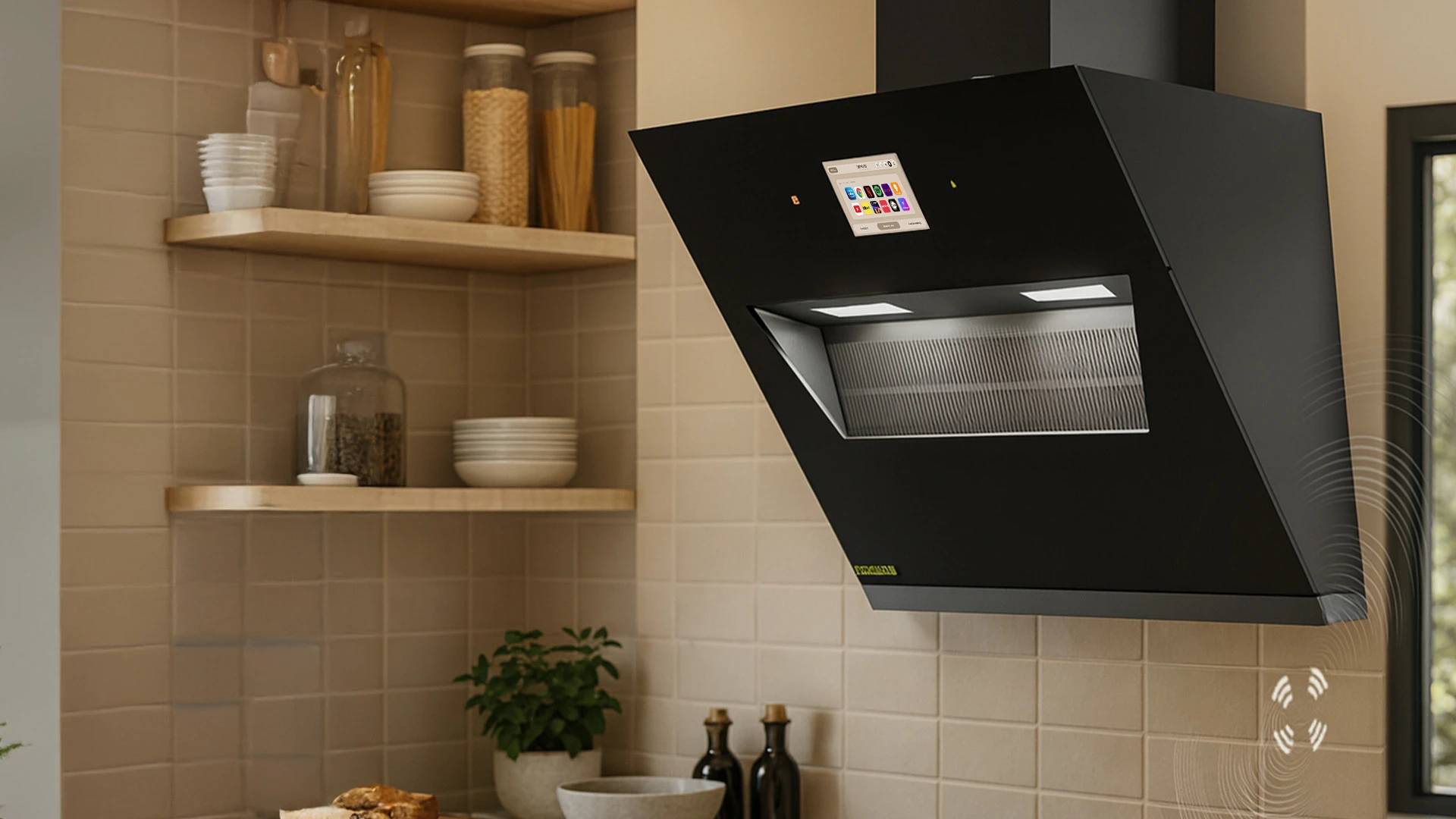
A kitchen chimney that fails to extract smoke properly can turn your cooking experience into a frustrating ordeal. When your chimney filter stops working effectively, smoke, grease, and odors linger in your kitchen, affecting air quality and comfort. Understanding the root causes and knowing how to troubleshoot these issues can save you time, money, and ensure your kitchen remains a pleasant space for cooking. Whether you're dealing with weak suction, clogged filters, or complete extraction failure, this comprehensive guide will help you identify problems and implement effective solutions.
When your chimney filter stops extracting smoke effectively, several underlying issues could be at play. The most common culprit is a clogged or dirty filter that blocks proper airflow. Over time, grease, oil particles, and dust accumulate on the filter surface, creating a barrier that prevents efficient smoke extraction. Another frequent cause is insufficient motor power for your kitchen size. If your chimney's CFM (Cubic Feet per Minute) rating doesn't match your cooking area's requirements, it will struggle to handle the smoke volume generated during cooking. Additionally, improper installation height can significantly impact performance - chimneys installed too high or too low from the cooking surface lose suction efficiency.
Blocked exhaust ducts represent another major cause of poor extraction. External vents can become obstructed by debris, bird nests, or accumulated grease, preventing smoke from exiting your home properly.
Motor malfunctions or electrical connection issues can also cause extraction problems. Worn-out motors, loose wiring, or damaged fan blades reduce the chimney's ability to create adequate suction for effective smoke removal.
Systematic troubleshooting helps identify the exact cause of your chimney's poor performance. Start with a comprehensive visual inspection to check for obvious issues like damaged components or visible blockages. Begin by examining the filter condition. Remove the filter and hold it up to light - if you can't see through it clearly, it needs cleaning or replacement. Check for tears, holes, or warping that might compromise its effectiveness.
Test motor functionality by turning on different speed settings. Listen for unusual noises, vibrations, or irregular sounds that might indicate mechanical problems.
Inspect the exhaust duct pathway for blockages. Check both internal ducting and external vents to ensure clear airflow passages throughout the entire ventilation system.
Improving weak chimney suction requires addressing multiple factors that affect airflow efficiency. Regular filter maintenance forms the foundation of optimal performance - clean filters allow maximum air passage through the system. Establish a proper cleaning schedule based on your cooking frequency. Heavy cooking requires weekly filter cleaning, while moderate use allows bi-weekly maintenance. Use warm soapy water or specialized degreasing agents to remove accumulated grease and particles.
Adjust motor speed settings according to cooking intensity. Higher speeds work better for heavy frying or grilling, while lower settings suffice for light cooking tasks.
Ensure proper installation height - typically 24-30 inches above gas cooktops and 20-24 inches above electric surfaces. Incorrect positioning reduces suction efficiency significantly.
Regular cleaning maintains optimal chimney performance and extends equipment lifespan. Proper cleaning techniques ensure thorough removal of grease buildup without damaging sensitive components. For filter cleaning, remove filters carefully and soak them in warm water mixed with dish soap or baking soda. Use a soft brush to scrub away stubborn grease deposits, then rinse thoroughly and air dry completely before reinstalling.
Clean motor housing and fan blades using a damp cloth, avoiding water contact with electrical components. Remove accumulated grease from internal surfaces to prevent fire hazards.
Clean exhaust ducts annually using specialized brushes or professional services. Remove external vent covers and clear any debris blocking airflow passages.
Several recurring issues affect chimney performance, each requiring specific solutions. Understanding these problems helps you address them quickly before they worsen. Excessive noise often indicates loose components or worn bearings. Tighten mounting screws and lubricate moving parts according to manufacturer guidelines. If noise persists, motor replacement might be necessary.
Heavy grease accumulation reduces suction and creates fire risks. Increase cleaning frequency and consider upgrading to higher-capacity filters for heavy cooking environments.
Intermittent operation, blown fuses, or complete failure suggest electrical problems requiring professional attention. Never attempt electrical repairs without proper expertise.
Proactive maintenance prevents most extraction problems and ensures consistent performance. Create a regular maintenance schedule that includes weekly filter checks, monthly deep cleaning, and quarterly comprehensive inspections. Adopt proper cooking practices to reduce chimney workload. Use appropriate cookware sizes, maintain moderate heat levels, and turn on the chimney before cooking begins to establish proper airflow.
Monitor performance indicators like reduced suction, increased noise levels, or lingering odors that suggest developing problems requiring immediate attention.
Perform comprehensive cleaning before heavy cooking seasons. Check external vents for weather-related blockages and ensure all components function properly.
If cleaning doesn't improve extraction, check for motor problems, blocked ducts, or insufficient CFM rating for your kitchen size. The filter might also need replacement if it's damaged or worn out.
Clean filters weekly for heavy cooking, bi-weekly for moderate use, and monthly for light cooking. Replace filters every 6-12 months depending on usage intensity and filter type.
Weak suction results from clogged filters, blocked ducts, incorrect installation height, or insufficient motor power. Address these issues systematically to restore proper suction.
Basic maintenance like filter cleaning and minor adjustments can be done yourself. However, electrical issues, motor replacement, or complex duct problems require professional service.
Calculate CFM requirements based on kitchen size: multiply length × width × height × 15 for gas cooktops or × 10 for electric. Choose a chimney with 20% higher CFM than calculated for optimal performance.
Effective chimney smoke extraction depends on regular maintenance, proper installation, and understanding common problems. Most extraction issues stem from dirty filters, blocked ducts, or inadequate motor power. Regular cleaning, correct installation height, and appropriate CFM ratings ensure optimal performance. When basic troubleshooting doesn't resolve problems, professional service prevents further damage and ensures safe operation. Remember that preventive maintenance costs far less than major repairs or replacements.
