

How to Ensure Your Glass Cooktop is Safe for Everyday Use
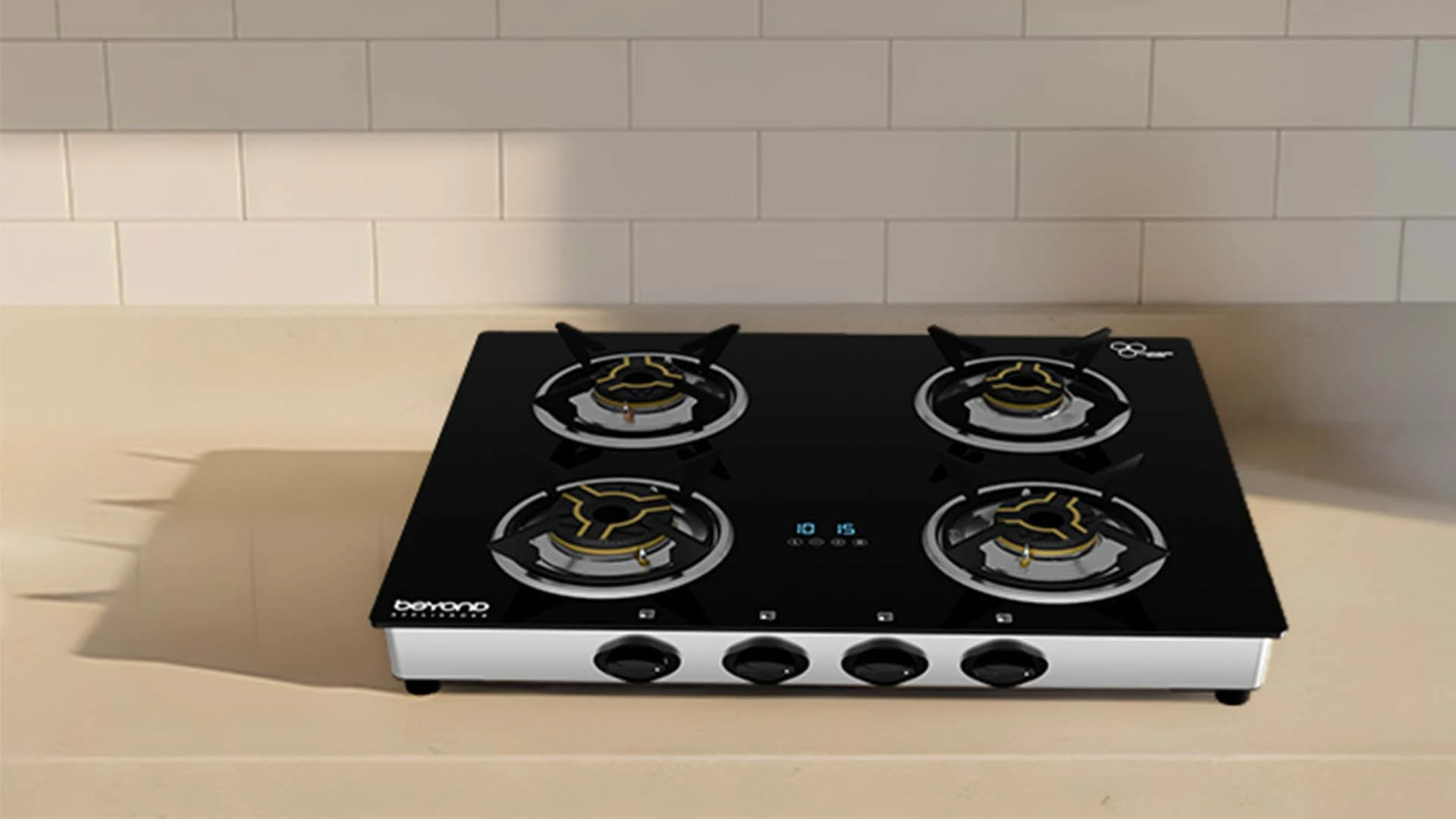
Glass cooktops have transformed modern kitchens with their sleek appearance and efficient heating capabilities. Many homeowners wonder about the safety aspects of these smooth cooking surfaces, especially when considering daily family use. Understanding the safety features, potential risks, and proper maintenance practices helps ensure your glass cooktop remains a reliable and secure cooking solution for years to come.
Modern glass cooktops are engineered with advanced safety features that make them suitable for everyday cooking. The cooking surface uses tempered glass technology, which can withstand temperatures up to 1,000°F while maintaining structural integrity. This specialized glass undergoes a controlled thermal treatment process that makes it significantly stronger than regular glass.
Safety certifications from recognized testing laboratories ensure that glass cooktop safety meets stringent industry standards. These appliances undergo rigorous testing for thermal shock resistance, impact durability, and electrical safety before reaching your kitchen. Statistical data shows that properly maintained glass cooktops have accident rates comparable to traditional cooking surfaces when used correctly.
The tempered glass construction provides several safety advantages over conventional materials. When damage does occur, the glass breaks into small, relatively harmless pieces rather than sharp shards. This design feature significantly reduces injury risk during rare breakage incidents.
Manufacturers must comply with strict safety regulations that govern electrical components, surface temperatures, and heat distribution patterns. These standards ensure consistent performance and minimize potential hazards during normal operation.
While glass cooktops are generally safe, understanding potential risks helps prevent accidents and extends appliance lifespan. Temperature shock represents one of the most significant glass stove top hazards, occurring when cold substances contact extremely hot surfaces. This sudden temperature change can cause stress fractures or immediate cracking.
Impact damage from heavy cookware poses another concern for glass cooktop owners. Dropping cast iron pans or sliding heavy pots across the surface can create chips or cracks that compromise safety and performance. Edge areas are particularly vulnerable to impact damage due to stress concentration points.
Avoid placing cold water or frozen items directly on hot cooking zones. Allow surfaces to cool gradually after cooking, and never use the cooktop as a cooling surface for hot cookware.
Lift cookware instead of sliding it across the surface. Use cookware with smooth, flat bottoms to distribute weight evenly. Inspect the glass regularly for small chips that could develop into larger cracks.
Small cracks can expand rapidly under thermal stress, creating safety hazards and performance issues. Replace damaged cooktops immediately to prevent further deterioration and potential injury risks.
Concerns about cooktop explosion are largely unfounded when appliances are properly maintained. True explosions are extremely rare and typically result from severe manufacturing defects or extreme misuse rather than normal cooking activities.
Different glass cooktop technologies offer varying safety profiles that suit different household needs. Induction cooktops provide superior safety features through electromagnetic heating that only activates when compatible cookware is present. The cooking surface remains relatively cool, reducing burn risks significantly.
Electric radiant cooktops feature heat indicator lights and residual heat warnings that alert users to hot surfaces. These safety features help prevent accidental contact with heated zones after cooking completion.
Induction technology eliminates many traditional induction cooktop dangers through precise temperature control and automatic shutoff features. The magnetic field only heats ferromagnetic cookware, leaving the glass surface cool to touch.
Modern electric glass cooktops include multiple safety systems such as automatic shutoff timers, child safety locks, and visual heat indicators. These features enhance electric cooktop safety for family environments.
Questions about cooktop radiation often arise with induction models. Research indicates that EMF levels from induction cooktops remain well below safety thresholds established by health organizations, making them safe for daily use.
Induction cooktops typically offer the highest safety levels for households with children due to cool surface temperatures and automatic pan detection. Electric models provide good safety with proper supervision and safety feature utilization.
Proper glass cooktop maintenance ensures optimal safety performance and extends appliance lifespan significantly. Daily cleaning protocols prevent buildup of food residues that can cause hot spots or surface damage. Use only manufacturer-recommended cleaning products to avoid chemical damage to the glass surface.
Weekly deep cleaning removes stubborn stains and burnt-on residues that can affect heat distribution and create safety hazards. Specialized glass cooktop cleaners effectively remove these deposits without scratching the surface.
Clean spills immediately while the surface is still warm but not hot. Use soft cloths or paper towels with appropriate cleaning solutions to maintain surface integrity.
Apply glass cooktop cleaner according to manufacturer instructions. Use plastic scrapers for stubborn residues, avoiding metal tools that can scratch the surface.
Examine the entire cooking surface for cracks, chips, or discoloration that might indicate damage. Check control knobs and indicator lights for proper function during these inspections.
Schedule professional inspections annually to verify electrical connections and safety systems. Qualified technicians can identify potential issues before they become safety hazards.
Use only flat-bottomed cookware that matches heating zone sizes. Warped or damaged pans can create hot spots and uneven heating that stress the glass surface.
Implementing proper cooking techniques maximizes safety and performance from your glass cooktop investment. Always lift cookware when moving it rather than sliding across the surface. This practice prevents scratches and reduces stress on the glass that could lead to cracking.
Temperature management plays a crucial role in safe cooking surfaces operation. Start with lower heat settings and increase gradually to prevent thermal shock. Allow cookware and surfaces to cool naturally rather than using cold water for rapid cooling.
Lift pots and pans straight up when moving them. Avoid dragging or sliding motions that can scratch or stress the glass surface.
Use medium heat settings for most cooking tasks. High heat is rarely necessary and can damage both cookware and cooktop surfaces over time.
Distribute weight evenly across cooking zones. Avoid placing extremely heavy items that exceed manufacturer weight recommendations for individual heating elements.
If glass cracks during cooking, turn off the affected burner immediately and allow it to cool completely. Do not continue cooking on damaged surfaces, as this can worsen the damage and create safety hazards.
Activate child safety locks when available. Teach children about hot surface dangers and maintain supervision during cooking activities.
Yes, glass cooktops are designed for regular household use and feature multiple safety systems. When properly maintained and operated according to manufacturer guidelines, they provide safe and efficient cooking safety for daily meal preparation.
The primary concerns include temperature shock from cold items on hot surfaces, impact damage from heavy cookware, and potential cracking from thermal stress. Following proper usage guidelines minimizes these risks significantly.
Actual explosions are extremely rare and typically result from manufacturing defects or severe misuse. Normal cooking activities do not pose explosion risks when appliances are properly maintained and operated.
Replace your cooktop if you notice cracks, chips, or discoloration that affects performance. Any visible damage to the glass surface can compromise safety and should be addressed immediately.
Induction cooktops generally offer superior safety features due to cool surface temperatures and automatic pan detection. However, both types provide adequate safety when used properly with appropriate maintenance.
Use flat-bottomed cookware made from materials compatible with your cooktop type. Avoid warped, damaged, or oversized pans that can create hot spots or stress the glass surface.
Glass cooktops provide safe and efficient cooking solutions when properly maintained and operated. Understanding potential risks and implementing preventive measures ensures optimal safety performance for your household. Regular maintenance, proper cookware selection, and adherence to manufacturer guidelines maximize both safety and appliance lifespan.
Modern safety features and industry standards make glass cooktops suitable for daily family use. Whether choosing induction, electric radiant, or gas glass models, each technology offers distinct safety advantages that meet different household needs and cooking preferences.
