

How to Diagnose Weak Flame on Your Gas Stove
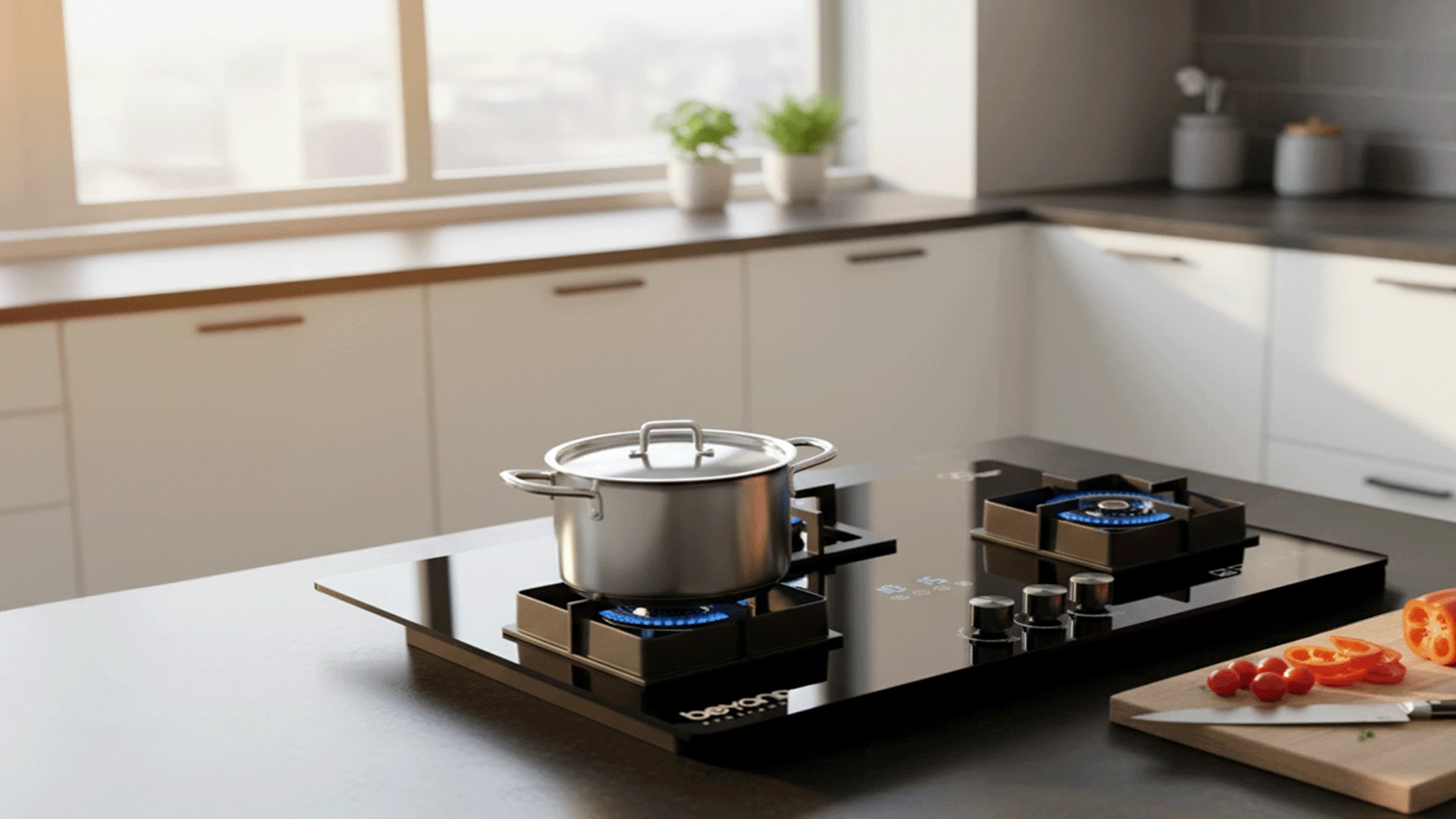
A weak flame on your gas stove can turn cooking into a frustrating experience. Whether you're dealing with slow heating times, uneven cooking, or flames that barely reach your cookware, understanding the root causes helps you get back to efficient cooking. Most flame problems stem from simple maintenance issues that homeowners can address with basic troubleshooting skills. However, knowing when to call a professional ensures both safety and optimal performance. This guide walks you through the most common causes of weak flame and provides practical solutions to restore your stove's cooking power.
Recognizing gas stove flame problems starts with understanding what a healthy flame looks like. A properly functioning gas burner produces a steady blue flame with minimal yellow tips. The flame should be evenly distributed around the burner ring and maintain consistent height when you adjust the control knob. Weak flames appear shorter than normal, flicker frequently, or fail to reach the edges of your cookware. You might notice longer cooking times, uneven heating, or difficulty maintaining consistent temperatures. These symptoms indicate that your burner isn't receiving adequate gas flow or proper air mixture for complete combustion. Orange or yellow flames signal incomplete combustion, which reduces cooking efficiency and poses safety risks. Blue flames burn hotter and cleaner, while orange flames indicate weak burner flame causes that need immediate attention. Pay attention to flame color changes, unusual sounds, or gas odors that accompany weak flame issues.
Identifying the common causes of weak flame helps you target the right solution for your specific problem. Most issues fall into several categories, from simple cleaning needs to more complex mechanical problems. Understanding these causes enables you to perform basic troubleshooting before calling for professional help. The most frequent culprits include blocked burner ports, dirty components, gas pressure issues, and worn control mechanisms. Each cause produces distinct symptoms that help you narrow down the problem source.
Food debris, grease, and dust accumulate in burner ports over time, restricting gas flow. These tiny openings control gas distribution around the burner ring. When blocked, gas cannot flow freely, resulting in weak or uneven flames. Spillover from cooking creates the most common blockages. Pasta water, milk, or sauce can quickly solidify and plug multiple ports simultaneously.
Low gas pressure symptoms include consistently weak flames across all burners, difficulty lighting burners, and flames that extinguish easily. Gas pressure problems often stem from supply line issues, faulty regulators, or high demand from multiple appliances. Seasonal variations can affect gas pressure, particularly during peak usage periods when neighborhood demand increases.
Dirty burner effects extend beyond just appearance. Grease buildup on burner caps and rings disrupts proper air flow, affecting the air-to-gas mixture needed for efficient combustion. Misaligned components after cleaning can also create uneven flame distribution. Regular cleaning prevents most burner cap problems, but deep cleaning requires proper disassembly techniques.
Internal valve wear affects gas flow regulation. Control knobs that feel loose, stick, or fail to provide smooth adjustment indicate valve problems. These mechanical issues typically require professional repair or replacement. Gas valves contain precision components that control flow rates. When these wear out, you lose the ability to fine-tune flame intensity.
Orange flame troubleshooting requires immediate attention because orange flames indicate incomplete combustion. This condition reduces cooking efficiency and can produce carbon monoxide, creating serious safety hazards. Orange flames typically result from insufficient air mixing with gas before combustion. Several factors cause orange flames, including dirty burner components, blocked air intakes, or improper gas pressure. The air-to-gas ratio must remain within specific parameters for clean blue flames. When this balance shifts, you get the characteristic orange color that signals problems. Uneven burner flame patterns often accompany orange flame issues. You might see orange flames on one side of the burner while the other side burns blue. This indicates partial blockages or component misalignment that affects air flow. If you notice orange flames, turn off the burner immediately and allow it to cool completely before investigating. Check for obvious blockages, ensure burner components are properly aligned, and clean any visible debris. If orange flames persist after basic cleaning, contact a qualified technician.
Effective burner cleaning methods require systematic disassembly and thorough cleaning of each component. Proper cleaning restores optimal gas flow and prevents future flame problems. Always ensure the stove is completely cool and gas supply is turned off before beginning any cleaning procedures. Start by removing burner grates, caps, and rings according to your stove's design. Most components lift off easily, but some models require specific removal sequences. Take photos before disassembly to ensure proper reassembly.
Gather appropriate cleaning supplies including warm soapy water, soft brushes, toothpicks for port cleaning, and lint-free cloths. Avoid abrasive cleaners that can damage burner surfaces or enlarge gas ports. Soak removable components in warm soapy water while you clean the burner base. Use soft brushes to remove stubborn grease buildup.
Use toothpicks or thin wire to carefully clear blocked ports. Work gently to avoid enlarging the openings, which would affect gas flow rates. Rinse thoroughly and dry completely before reassembly. Ensure all components are completely dry before reinstalling to prevent rust and corrosion.
Gas appliance repair requires careful consideration of safety versus complexity. Homeowners can safely handle basic cleaning, component alignment, and simple adjustments. However, gas line work, valve replacement, and pressure adjustments require professional expertise. Simple fixes include cleaning burner components, checking for proper alignment, and ensuring adequate ventilation around the appliance. These maintenance tasks fall within most homeowners' capabilities and often resolve common flame problems. Call professionals for persistent gas odors, suspected gas leaks, internal valve problems, or any work involving gas connections. The cost of professional service far outweighs the risks of improper gas appliance work. Efficient cooking solutions sometimes require expert diagnosis and repair.
Regular stove maintenance tips prevent most weak flame problems before they develop. Daily cleaning habits make the biggest difference in long-term performance. Wipe up spills immediately, especially around burner areas where debris can accumulate. Weekly cleaning should include removing and washing burner components. Monthly deep cleaning addresses areas that daily maintenance might miss. Seasonal inspections help identify wear patterns and potential problems before they affect performance. Establish cleaning routines that fit your cooking habits. Heavy users need more frequent maintenance, while occasional cooks can extend intervals between deep cleaning sessions. Consistent care extends burner lifespan and maintains optimal cooking performance.
Sudden flame reduction usually indicates blocked burner ports or gas pressure issues. Check for visible debris in burner openings and ensure all components are properly aligned after recent cleaning.
Yes, if the problem stems from dirty components or misalignment. Clean all burner parts thoroughly and ensure proper reassembly. Call a professional if problems persist after cleaning.
Monthly deep cleaning works for most households. Heavy cooking requires more frequent attention, while light users can extend to every 6-8 weeks.
Orange flames indicate incomplete combustion due to insufficient air mixing with gas. Common causes include dirty burner components, blocked air intakes, or improper gas pressure.
Consider replacement when repair costs exceed 50% of a new stove's price, or when multiple major components fail simultaneously. Age and efficiency also factor into replacement decisions.
Weak gas stove flames typically result from maintenance issues that homeowners can address with proper cleaning and basic troubleshooting. Regular maintenance prevents most problems and ensures optimal cooking performance. However, safety must remain the top priority when working with gas appliances. Understanding the difference between simple maintenance needs and complex repairs helps you make informed decisions about DIY fixes versus professional service. When in doubt, consult qualified technicians who can safely diagnose and repair gas appliance problems while maintaining warranty coverage and safety standards.
