

How to Design the Perfect Oven Cabinet in Your Kitchen
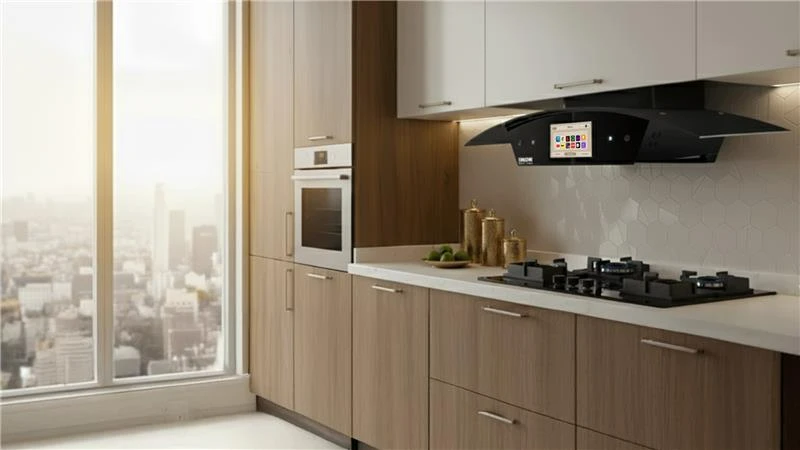
Creating the perfect oven cabinet in kitchen spaces requires careful planning and attention to detail. A well-designed built in oven cabinet transforms your cooking experience while maximizing storage and maintaining a sleek aesthetic. Whether you're renovating your entire kitchen or simply upgrading your cooking area, understanding the fundamentals of oven cabinet design ensures both functionality and style. This comprehensive guide covers everything from basic configurations to advanced storage solutions, helping you make informed decisions that enhance your kitchen's efficiency and visual appeal.
The foundation of successful kitchen cabinet design begins with understanding your options. Wall ovens offer flexibility in placement, allowing you to position them at comfortable heights without bending or stooping. These units integrate seamlessly into custom cabinetry, creating a built-in appearance that elevates your kitchen's sophistication.
Single oven configurations work perfectly for smaller households or kitchens with limited space. They typically require less vertical cabinet space and cost less than double units. Double oven setups provide tremendous cooking capacity, ideal for large families or those who entertain frequently.
Compact designs maximize functionality without overwhelming smaller kitchens. Consider combining your oven cabinet with microwave storage or installing pull-out shelves for easy access to cooking essentials.
Galley kitchens benefit from wall-mounted ovens that don't interrupt workflow. L-shaped layouts offer corner placement opportunities, while open-concept designs allow for kitchen island integration.
Precise measurements form the backbone of successful built in oven installation. Standard wall ovens require cabinet openings between 24 to 25 inches wide and 24 to 25 inches deep. Height requirements vary by model, typically ranging from 27 to 30 inches for single units and 48 to 52 inches for double configurations.
Clearance requirements ensure safe operation and proper ventilation. Most manufacturers recommend minimum 3-inch clearances on sides and back, with at least 1 inch above the unit. These specifications prevent overheating and allow for proper air circulation.
Position oven controls between 15 to 48 inches from the floor for comfortable access. This range accommodates users of different heights while preventing strain during regular use.
Most wall ovens require 240-volt electrical connections. Plan outlet placement during the design phase to avoid costly modifications later. Consider GFCI protection requirements and local electrical codes.
Material selection significantly impacts your cabinet's durability, appearance, and maintenance requirements. Understanding each option's characteristics helps you make informed decisions that align with your budget and lifestyle needs.
Solid wood remains the premium choice for kitchen cabinet materials, offering unmatched beauty and longevity. Hardwoods like maple, oak, and cherry resist heat damage and maintain their appearance for decades. However, solid wood requires regular maintenance and costs more than engineered alternatives.
MDF provides smooth, consistent surfaces ideal for painted finishes. It costs less than solid wood while offering excellent dimensional stability and resistance to warping.
Plywood combines strength with affordability, making it popular for cabinet boxes. Its layered construction resists moisture better than particleboard while maintaining structural integrity over time.
Stainless steel cabinets offer superior heat resistance and easy cleaning. They work particularly well in modern kitchen designs and commercial-style cooking spaces.
High-pressure laminates provide budget-friendly solutions with impressive durability. Modern laminates mimic wood grain and other natural textures convincingly while requiring minimal maintenance.
Your oven cabinet layout should complement your overall kitchen design while reflecting your personal style preferences. Contemporary kitchens favor clean lines, handleless designs, and neutral color palettes that emphasize functionality over ornamentation.
Traditional styles incorporate raised panel doors, decorative moldings, and warm wood tones that create inviting, timeless atmospheres. These designs often feature ornate hardware and detailed craftsmanship that adds character to your cooking space.
Flat-panel doors, integrated handles, and seamless surfaces define modern aesthetics. These designs emphasize horizontal lines and geometric shapes that create visual calm.
Match cabinet finishes to existing kitchen elements for cohesive design. Consider how different lighting conditions affect color perception throughout the day.
Maximizing kitchen cabinet storage requires thoughtful planning and strategic accessory selection. Pull-out shelves transform deep cabinets into easily accessible storage spaces, preventing items from getting lost in the back corners.
Vertical dividers keep baking sheets, cutting boards, and serving trays organized and readily available. These simple additions dramatically improve kitchen cabinet organization while maximizing available space.
Lazy Susans work excellently in corner cabinets, making hard-to-reach areas functional. Drawer organizers keep utensils, spices, and small appliances neatly arranged and easily accessible.
Adjustable shelving accommodates items of different heights while maximizing vertical space utilization. Consider adding lighting inside cabinets for improved visibility and ambiance.
Spice racks, wine storage, and appliance garages integrate seamlessly into custom cabinetry. These kitchen cabinet accessories enhance functionality while maintaining clean exterior lines.
Successful kitchen cabinet installation requires precise measurements, proper tools, and electrical knowledge. While experienced DIYers can handle basic installations, complex projects involving electrical work or structural modifications benefit from professional expertise.
Ventilation planning prevents moisture problems and ensures optimal oven performance. Most installations require ducted ventilation systems that exhaust cooking fumes outside the home.
Basic installations involve securing cabinets to wall studs and connecting pre-installed electrical outlets. Ensure level installation using appropriate shims and check all connections before final testing.
Licensed contractors handle electrical connections safely and ensure compliance with local building codes. They also provide warranties on installation work and can resolve unexpected complications efficiently.
Regular cleaning with appropriate products preserves cabinet finishes and prevents damage. Avoid harsh chemicals that can strip protective coatings or discolor surfaces.
An oven cabinet is commonly called a wall oven cabinet, built-in oven housing, or simply an oven tower. These terms describe the specialized cabinetry designed to house wall-mounted cooking appliances while providing integrated storage solutions.
Yes, you can install an oven in existing cabinetry with proper modifications. However, you must ensure adequate kitchen cabinet dimensions, proper ventilation, appropriate electrical connections, and sufficient heat clearances as specified by the manufacturer.
Most manufacturers require minimum 3-inch clearances on sides and back, with at least 1 inch above the unit. Always consult your specific oven's installation manual for exact requirements, as these can vary between models and brands.
Solid hardwoods like maple and oak offer exceptional durability, while plywood provides excellent strength-to-cost ratios. Stainless steel delivers superior heat resistance, and high-quality MDF works well for painted finishes that require smooth surfaces.
Designing the perfect oven cabinet in kitchen spaces requires balancing functionality, aesthetics, and budget considerations. Focus on accurate measurements, appropriate materials, and thoughtful storage solutions that enhance your cooking experience. Remember that proper installation and regular maintenance preserve your investment while ensuring safe, efficient operation for years to come. Whether you choose traditional wood construction or modern materials, prioritize quality components and professional installation for optimal results.
