

How to Clean Kitchen Chimney Filters Effectively
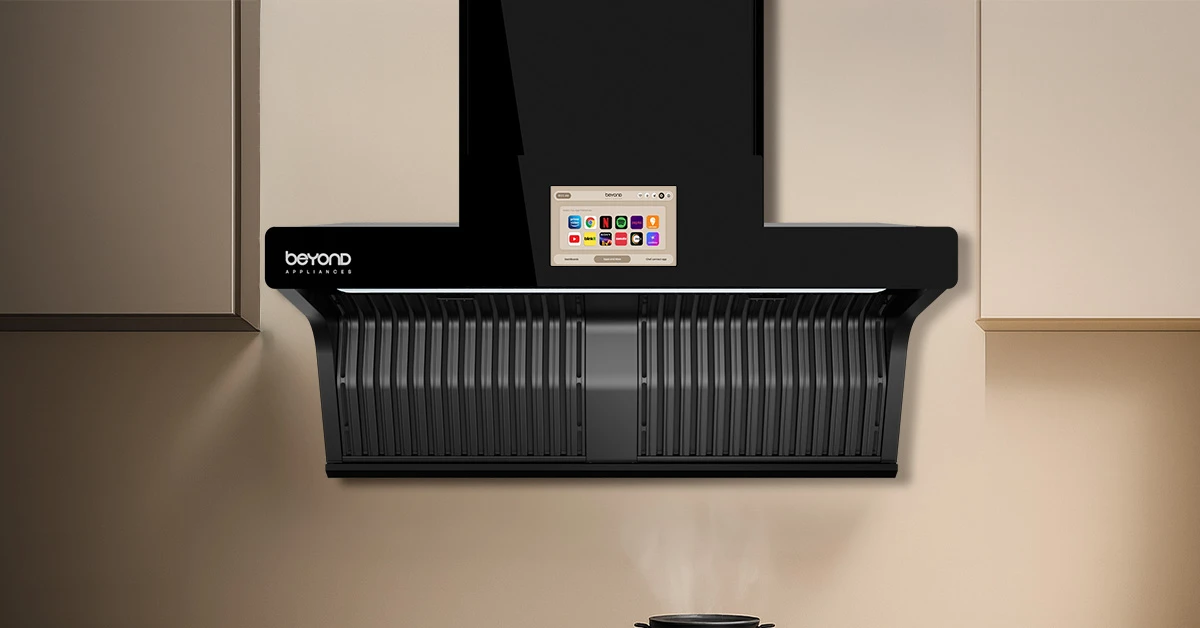
A clean kitchen chimney filter is the heart of efficient cooking and a healthy kitchen environment. When grease and debris accumulate in your chimney filters, they reduce suction power, create unpleasant odors, and can even pose fire hazards. Many homeowners face the dilemma of whether to tackle chimney filter cleaning themselves or hire professionals. This comprehensive guide explores both approaches, helping you make an informed decision based on your specific needs, budget, and comfort level with DIY maintenance.
Your kitchen chimney works tirelessly to maintain clean air while you cook, but its effectiveness depends entirely on clean filters. Different types of filters require different cleaning approaches and frequencies. Baffle filters, commonly found in modern chimneys, use curved metal plates to trap grease particles. These stainless steel filters are durable and can withstand regular washing. Cassette filters, often made of aluminum mesh, capture grease through multiple layers but require gentler cleaning methods. Charcoal filters, used in ductless systems, absorb odors but typically need replacement rather than cleaning. Grease removal becomes critical as cooking oils and food particles accumulate over time. A dirty filter reduces kitchen ventilation efficiency by up to 40%, forcing your chimney motor to work harder and consume more energy. This increased strain can lead to premature motor failure and higher electricity bills. Health implications of poor chimney maintenance include increased indoor air pollution, lingering cooking odors, and potential respiratory issues. Fire safety also becomes a concern when grease buildup reaches dangerous levels.
DIY chimney cleaning can be highly effective when done correctly and safely. The process requires patience, proper tools, and attention to detail.
Gather these items before starting: rubber gloves, safety goggles, screwdriver set, large basin or sink, dish soap, baking soda, white vinegar, soft-bristled brush, and clean towels. Avoid harsh chemicals that can damage filter materials or leave harmful residues.
Always disconnect power to your chimney before beginning any maintenance. Remove filters carefully, noting their orientation for proper reinstallation. Take photos if needed to remember the correct placement.
The hot water and dish soap method works well for regular maintenance. Soak filters in hot water with generous dish soap for 15-20 minutes, then scrub gently with a soft brush. For stubborn grease, create a baking soda paste with water. Apply this mixture to heavily soiled areas and let it sit for 30 minutes before scrubbing. The alkaline properties help break down grease effectively. Vinegar and lemon solution provides natural degreasing power. Mix equal parts white vinegar and water, add lemon juice, and use this solution for both soaking and final rinsing.
Thoroughly dry all components before reinstalling. Water trapped in filters can cause electrical issues or promote bacterial growth. Ensure filters are completely dry and properly aligned during reinstallation.
Professional chimney cleaning services offer comprehensive solutions beyond basic filter cleaning. Understanding when to invest in professional help can save money and ensure optimal performance.
Professional technicians use specialized equipment like ultrasonic cleaners and industrial degreasers. They inspect motor components, ductwork, and electrical connections during service visits. Many services also offer filter replacement recommendations and performance optimization advice.
Persistent odors despite regular cleaning indicate deep-seated grease buildup requiring professional attention. Poor suction even with clean filters suggests motor or ductwork issues beyond DIY capabilities. Heavily damaged or warped filters need professional assessment for replacement recommendations. Complex chimney systems with multiple filters or hard-to-reach components benefit from professional expertise.
Professional cleaning services typically range from INR 800 to INR 2,500 depending on chimney type and service scope. Look for certified technicians with experience in your specific chimney brand and model.
The decision between chimney filter cleaning: professional vs DIY depends on multiple factors including cost, effectiveness, and personal preferences.
DIY cleaning costs include cleaning supplies (INR 200-500 annually) and your time investment. Professional services cost INR 800-2,500 per visit but include comprehensive inspection and expertise. Long-term value assessment shows DIY maintenance works well for regular upkeep, while professional services excel at deep cleaning and problem identification.
DIY methods achieve excellent results for routine maintenance when performed correctly. Professional cleaning provides superior deep cleaning capabilities and can address issues invisible to untrained eyes. Professional equipment like ultrasonic cleaners removes microscopic grease particles that manual cleaning might miss. However, consistent DIY maintenance can maintain similar cleanliness levels.
DIY cleaning requires 2-4 hours including drying time, while professional services complete the job in 1-2 hours. Scheduling flexibility favors DIY approaches, but professional services eliminate the physical effort and mess.
Proper chimney maintenance directly impacts your cooking experience and kitchen environment. Regular care ensures optimal performance and extends equipment life.
Frequency depends on cooking habits and food types. Heavy cooking with oils and spices requires monthly filter cleaning, while moderate cooking allows 6-8 week intervals. Seasonal maintenance should include thorough inspections and professional servicing annually. This prevents major issues and maintains warranty coverage.
Use appropriate fan speeds for different cooking methods. High heat cooking requires maximum suction, while gentle simmering needs moderate ventilation. Consider upgrading to baffle filters if using older cassette types. Baffle filters offer superior grease removal and easier maintenance for efficient cooking environments.
Clean filters monthly for heavy cooking, every 6-8 weeks for moderate use. Visual inspection helps determine actual cleaning needs based on grease accumulation.
Stick to mild dish soap, baking soda, and vinegar. Harsh chemicals can damage filter materials and leave harmful residues that affect food safety.
Baffle filters withstand more aggressive cleaning methods, while cassette filters require gentler handling to prevent mesh damage.
Replace filters showing warping, holes, or persistent odors after thorough cleaning. Most filters last 2-5 years with proper maintenance.
Professional cleaning provides value for annual deep cleaning, complex systems, or when DIY methods prove insufficient.
Yes, dirty filters reduce ventilation effectiveness, causing smoke and odors to linger, which impacts cooking comfort and food quality.
Both DIY and professional chimney filter cleaning have distinct advantages. DIY methods work excellently for regular maintenance, cost less, and provide scheduling flexibility. Professional services excel at deep cleaning, problem diagnosis, and comprehensive system care. The best approach often combines both methods: regular DIY maintenance with annual professional deep cleaning. This strategy maximizes kitchen ventilation efficiency while managing costs effectively. Choose based on your comfort level, available time, and specific chimney requirements for optimal results.
