

How to Choose the Perfect Oven Stand for Your Kitchen
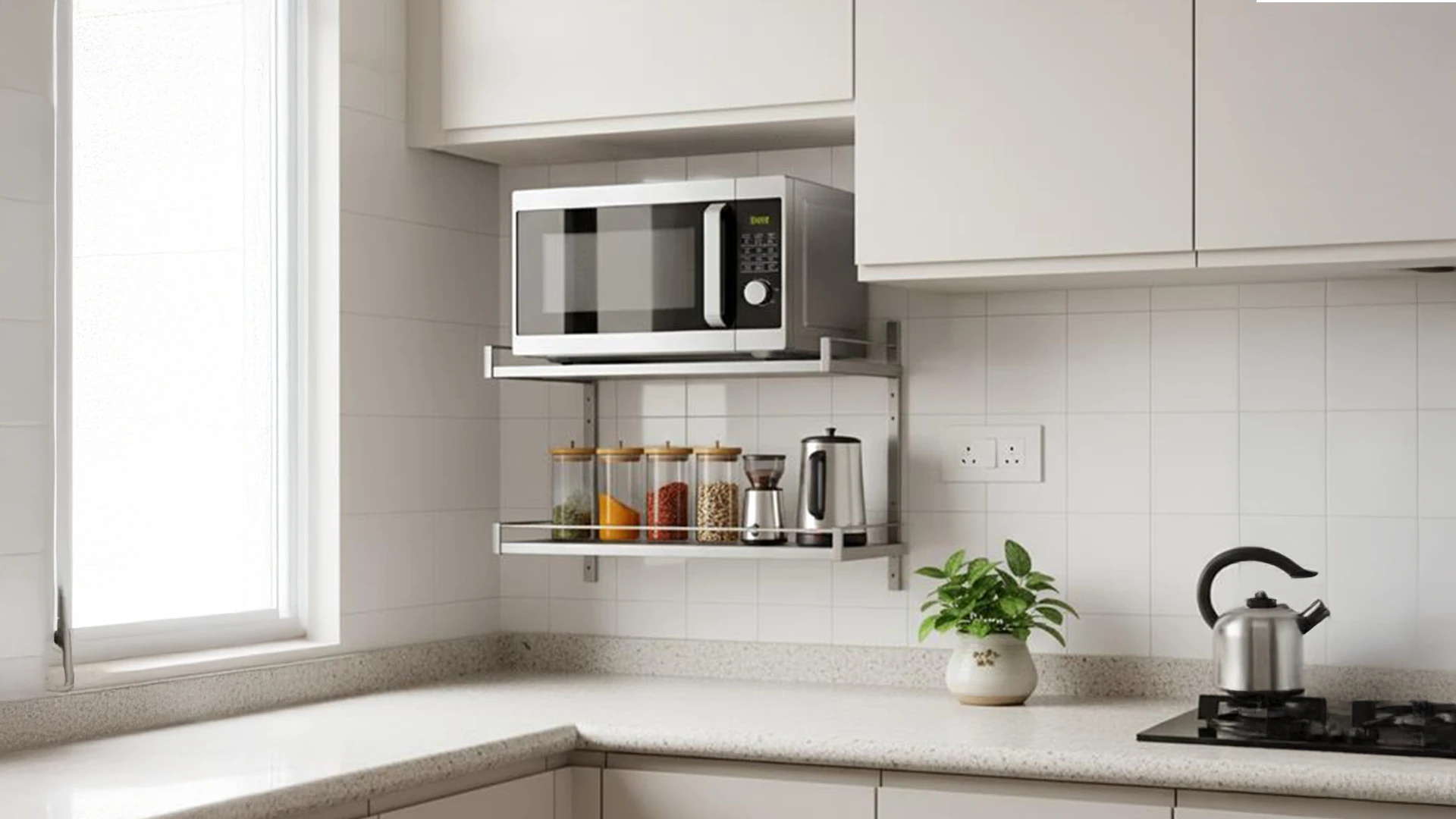
Choosing the perfect oven stand for kitchen use can transform your cooking space from cluttered to organized. An oven stand serves multiple purposes beyond just holding your oven. It acts as a kitchen counter organizer, provides extra storage, and maximizes your available workspace. Modern kitchens demand smart solutions that combine functionality with style. The right oven stand becomes a central piece that supports your cooking routine while keeping everything within easy reach. Whether you have a compact kitchen or a spacious cooking area, selecting the appropriate stand makes a significant difference in your daily cooking experience. Understanding your specific needs, available space, and cooking habits helps you make the best choice for your home.
Oven stands come in various designs, each serving different kitchen needs and preferences. Understanding these options helps you select the perfect match for your cooking space. Microwave oven stands are the most common type found in Indian kitchens. These stands typically feature multiple shelves and can accommodate both microwave ovens and convection ovens. Most models include additional storage space for utensils, cookbooks, and small appliances. The height usually ranges from 24 to 36 inches, making them suitable for standard kitchen counter heights.
A kitchen utility cart offers mobility and flexibility that fixed stands cannot provide. These wheeled units can be moved around the kitchen as needed. They work perfectly as temporary kitchen prep stations and can store your oven when not in use. Many utility carts feature locking wheels for stability during cooking.
Larger kitchens benefit from kitchen islands with storage that incorporate oven placement. These substantial units provide extensive counter space, multiple storage compartments, and can house various appliances. They serve as both cooking stations and dining areas in open kitchen designs.
Wall-mounted oven stands maximize floor space while providing secure appliance placement. These stands work well in smaller kitchens where floor space is limited. They require proper wall support and professional installation for safety.
Several important factors determine which oven stand works best for your kitchen setup. Each consideration affects both functionality and long-term satisfaction with your choice. Available kitchen space plays the primary role in stand selection. Measure your kitchen area carefully, including ceiling height, wall space, and floor area. Consider traffic flow patterns and ensure the stand placement does not obstruct movement. Leave adequate clearance around the stand for safe operation and maintenance access.
Weight capacity determines what appliances your stand can safely support. Standard microwave ovens weigh between 10-15 kg, while convection ovens can weigh up to 25 kg. Choose stands with weight ratings exceeding your oven's weight by at least 20% for safety margins. Check the manufacturer's specifications for maximum load capacity.
Stand materials affect durability, appearance, and maintenance requirements. Steel stands offer excellent strength and modern aesthetics. Wooden stands provide warmth and traditional appeal but require more maintenance. Engineered wood combines affordability with decent durability. Consider your kitchen's overall design theme when selecting materials.
Your oven stand should complement your kitchen's design style. Modern kitchens pair well with sleek metal stands featuring clean lines. Traditional kitchens benefit from wooden stands with decorative elements. Color coordination with existing cabinetry and appliances creates visual harmony.
The right oven stand functions as more than appliance storage. It becomes a comprehensive organizational tool that enhances your kitchen's efficiency and appearance. Using oven stands as kitchen counter organizers helps manage limited counter space effectively. Choose stands with multiple shelves to store frequently used items like spices, oils, and cooking utensils. Open shelving provides easy access while closed storage keeps items dust-free and organized.
Kitchen worktop organizers integrated into oven stands maximize vertical storage space. These organizers hold cutting boards, baking sheets, and serving trays in designated slots. Some stands feature hooks for hanging kitchen towels, pot holders, and small utensils.
Kitchen counter space savers become essential in compact kitchens. Oven stands with built-in storage eliminate the need for separate storage furniture. Look for stands with drawers, cabinets, and specialized compartments for different kitchen items.
Kitchen cabinet organizers built into oven stands provide hidden storage solutions. These enclosed spaces protect items from dust and cooking vapors. Adjustable shelves accommodate items of different heights, making storage more efficient.
Modern oven stands serve multiple purposes beyond appliance storage. They transform into complete cooking stations that support various kitchen activities. Oven stands designed as kitchen prep stations feature extended work surfaces for food preparation. These surfaces should be made from food-safe materials that resist stains and scratches. Adequate lighting above the prep area enhances safety and efficiency during food preparation.
Kitchen storage racks integrated into oven stands organize cookware and dishes efficiently. Wire racks allow air circulation around stored items, preventing moisture buildup. Adjustable rack heights accommodate different pot and pan sizes.
Many oven stands function as kitchen appliance stands for multiple devices. They can hold coffee makers, toasters, and food processors alongside your oven. Ensure adequate spacing between appliances for proper ventilation and safe operation.
Kitchen counter top shelves built into oven stands create additional storage without consuming floor space. These shelves hold frequently used items like salt, pepper, and cooking oils within easy reach during cooking.
Material selection significantly impacts your oven stand's longevity, maintenance requirements, and visual appeal. Each material offers distinct advantages and considerations. Metal oven stands, particularly those made from stainless steel or powder-coated steel, provide excellent durability and modern aesthetics. Steel stands resist heat, moisture, and stains effectively. They require minimal maintenance and can support heavy appliances safely. Chrome finishes offer contemporary appeal but show fingerprints and water spots more readily.
Wooden stands bring warmth and traditional charm to kitchen spaces. Solid wood construction offers excellent durability when properly maintained. However, wood requires regular treatment to prevent moisture damage and warping. Bamboo provides an eco-friendly alternative with natural antimicrobial properties.
Engineered wood combines affordability with reasonable durability. Medium-density fiberboard (MDF) and particle board options cost less than solid wood while providing smooth, paintable surfaces. These materials require protection from moisture and heat exposure.
Many modern stands combine different materials for optimal performance. Metal frames with wooden shelves offer structural strength with aesthetic appeal. Glass shelves provide easy cleaning while maintaining visual lightness in the kitchen.
Proper installation and placement ensure your oven stand functions safely and efficiently. These considerations affect both performance and longevity. Positioning your oven stand requires careful consideration of kitchen workflow and safety requirements. Place stands away from high-traffic areas to prevent accidents. Ensure adequate clearance from heat sources like stovetops and chimneys. Maintain proper ventilation around the stand to prevent heat buildup.
Safety takes priority when installing oven stands. Ensure the stand sits on level flooring to prevent tipping. Wall-mounted stands require secure mounting into wall studs, not just drywall. Check weight distribution to prevent overloading any single shelf or support point.
Integrating oven stands into modular kitchens requires coordination with existing cabinetry and appliances. Ensure consistent height alignment with adjacent counters. Consider color and finish coordination with existing kitchen elements for visual continuity.
Simple freestanding stands typically allow DIY assembly using basic tools. Wall-mounted units often require professional installation for safety and warranty compliance. Complex stands with electrical connections definitely need professional installation to meet safety codes.
Regular maintenance extends your oven stand's lifespan and keeps it looking new. Different materials require specific care approaches for optimal results. Regular cleaning prevents buildup of grease, dust, and food particles that can damage finishes over time. Clean spills immediately to prevent staining. Use appropriate cleaning products for your stand's material to avoid damage.
Metal stands require different care than wooden ones. Steel stands clean easily with mild detergent and water. Avoid abrasive cleaners that can scratch surfaces. Wooden stands need specialized wood cleaners and periodic conditioning to prevent drying and cracking.
Preventing rust on metal stands involves keeping them dry and addressing scratches promptly. Apply touch-up paint to scratched areas before rust develops. Wooden stands benefit from regular conditioning treatments that penetrate and protect the wood fibers.
Know when to replace your oven stand for safety reasons. Wobbling, cracking, or significant rust damage indicates replacement time. If the stand cannot safely support your appliances, replacement becomes necessary for kitchen safety.
Selecting the perfect oven stand for kitchen use involves balancing functionality, style, and budget considerations. Consider your available space, appliance weight, and storage needs when making your choice. Quality materials and proper installation ensure long-term satisfaction and safety. Regular maintenance keeps your stand functioning optimally while preserving its appearance. Remember that the best oven stand seamlessly integrates into your kitchen workflow while providing the storage and organization features you need most.
Stainless steel offers the best combination of durability, heat resistance, and easy maintenance. It supports heavy appliances safely while resisting moisture and stains. For traditional kitchens, treated hardwood provides excellent durability with classic appeal.
Most quality oven stands support 25-40 kg safely. Always check the manufacturer's weight specifications and choose stands rated for at least 20% more than your appliance's weight. This safety margin prevents structural stress and potential accidents.
Yes, most oven stands accommodate multiple appliances like coffee makers, toasters, and food processors. Ensure adequate spacing between appliances for proper ventilation and safe operation. Check weight limits when adding multiple appliances.
Wall-mounted stands work best in kitchens with solid walls and adequate structural support. They save floor space but require professional installation for safety. Rental properties may not allow wall mounting without landlord permission.
Measure available floor space, ceiling height, and clearance around the intended location. Account for door swings, traffic flow, and ventilation requirements. Consider the stand's dimensions when fully loaded with appliances and accessories.
