

How to Choose the Perfect Modern Cooktop Stove
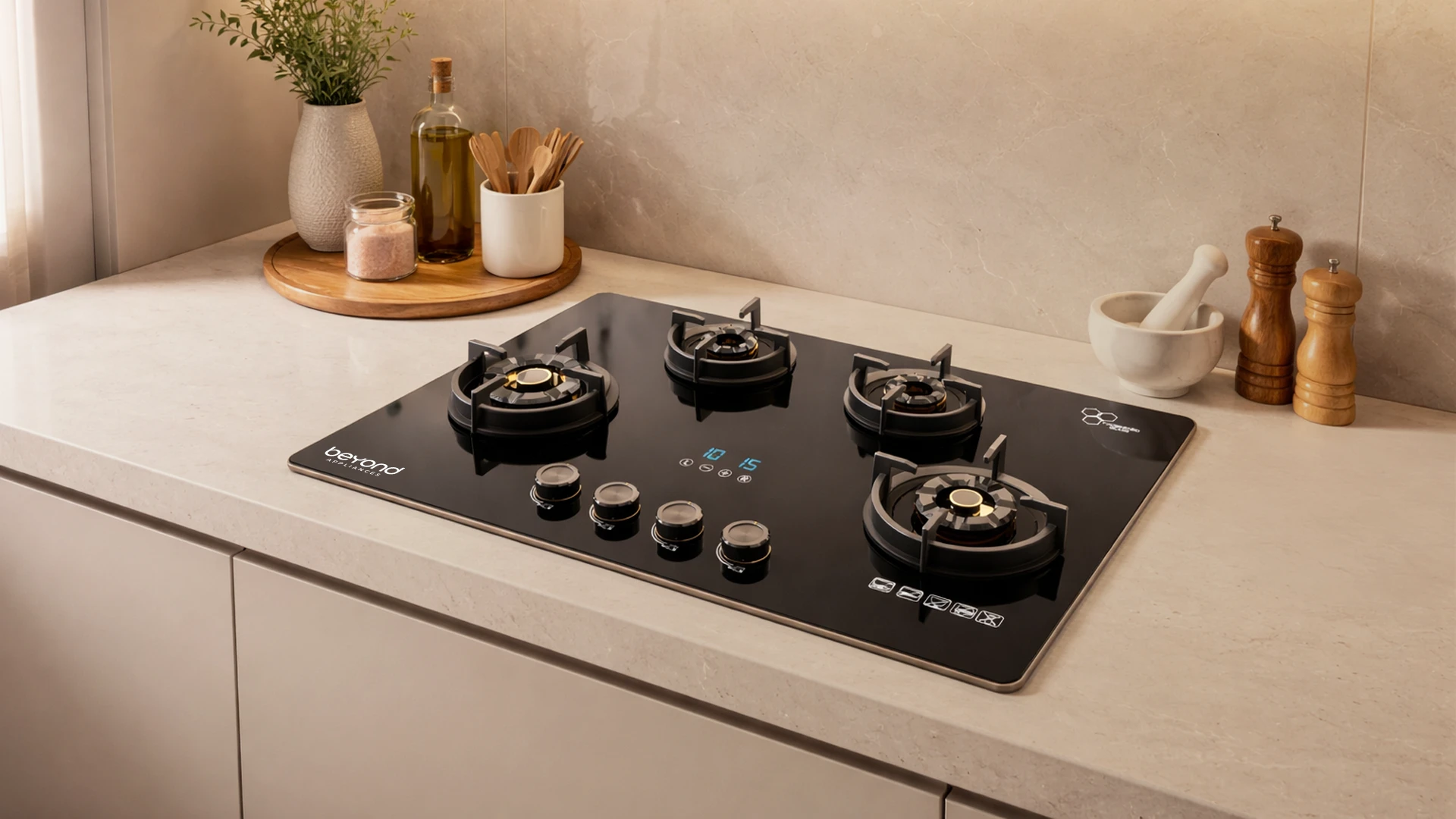
Choosing the right modern cooktop stove can transform your kitchen into a culinary powerhouse. Today's cooking surfaces offer incredible advances in technology, efficiency, and design that make meal preparation faster and more enjoyable. Whether you're renovating your kitchen or upgrading from an older model, understanding the latest features and options helps you make an informed decision. Modern cooktops blend style with functionality, offering everything from smart connectivity to precise temperature control. The right choice depends on your cooking habits, kitchen layout, and lifestyle needs.
Today's modern cooktop stove designs represent a significant leap forward from traditional cooking surfaces. These contemporary units integrate advanced technology with sleek aesthetics to create cooking experiences that were unimaginable just a decade ago. The most notable difference lies in precision control systems. Modern units offer exact temperature settings rather than the basic low-medium-high options of older models. Digital displays show real-time heat levels, cooking times, and even recipe guidance. Many models feature touch controls that respond instantly to adjustments, giving you restaurant-quality precision in your home kitchen. Energy efficiency stands as another major advancement. Contemporary kitchen cooktop designs use up to 50% less energy than older models while delivering superior cooking performance. This efficiency comes from better heat distribution, improved insulation, and smarter heating elements that waste less energy. Safety features have evolved dramatically as well. Modern units include automatic shut-off systems, child safety locks, and overheating protection. Some models even detect when cookware is removed and automatically reduce heat levels. These features provide peace of mind while cooking and help prevent accidents. Smart home integration represents perhaps the most exciting development. Many modern cooktops connect to Wi-Fi networks, allowing remote control through smartphone apps. You can preheat surfaces, monitor cooking progress, and receive notifications when meals are ready, all from another room.
Understanding the three main types of modern cooking surfaces helps you choose the best option for your needs. Each technology offers unique advantages that appeal to different cooking styles and preferences.
A gas cooktop provides instant heat control that many professional chefs prefer. The visible flame allows you to see exactly how much heat you're applying, making it easier to adjust cooking intensity quickly. Modern gas units feature sealed burners that prevent spills from reaching internal components, making cleanup much simpler than older designs. Contemporary gas models include multiple burner sizes to accommodate different cooking needs. High-output burners deliver intense heat for searing and stir-frying, while simmer burners maintain very low temperatures for delicate sauces. Many units feature continuous grates that allow you to slide heavy pots across the surface without lifting.
An electric cooktop offers consistent, even heating that works well for most cooking tasks. Modern electric units typically feature smooth glass cooktop surfaces that create a sleek, contemporary appearance. These surfaces are easy to clean since spills can't fall into burner wells or around raised elements. Electric models excel at maintaining steady temperatures, making them ideal for tasks like melting chocolate or keeping sauces warm. The flat surface provides a stable cooking platform that works well with all cookware types. Many electric units include expandable elements that can adjust to different pot sizes for optimal heat distribution.
An induction cooktop represents the most advanced cooking technology available today. These units use electromagnetic fields to heat cookware directly, making them incredibly efficient and responsive. Induction surfaces heat up faster than gas or electric options and provide precise temperature control that rivals professional equipment. The cooking surface itself stays relatively cool since heat is generated in the cookware rather than the cooktop. This feature enhances safety and makes cleanup easier since spills don't burn onto the surface. Induction units also offer the most energy-efficient cooking method, converting about 90% of energy into usable heat compared to 40-55% for gas units.
A portable cooktop or countertop stove provides flexibility for small kitchens or temporary cooking needs. These compact units can supplement your main cooking surface during large meal preparation or serve as primary cooking equipment in apartments or small homes. Modern portable units offer surprising power and features despite their compact size. Many include multiple heat settings, timer functions, and safety features similar to built-in models. Induction portable units are particularly popular because they heat quickly and stay cool to the touch.
Smart technology integration transforms modern cooktops into intelligent cooking assistants. These features go beyond basic heating to provide guidance, monitoring, and control that makes cooking more precise and enjoyable. Wi-Fi connectivity allows you to control your smart cooktop remotely through smartphone apps. You can preheat cooking zones, adjust temperatures, and monitor cooking progress from anywhere in your home. Some apps even send notifications when preheating is complete or when it's time to flip food. Voice assistant integration lets you control cooking functions hands-free. You can adjust temperatures, set timers, or activate specific cooking modes using simple voice commands. This feature proves especially useful when your hands are busy with food preparation. Automatic cooking programs take the guesswork out of common cooking tasks. These programs adjust heat levels and timing automatically based on the type of food you're preparing. Some advanced models include sensors that monitor food temperature and adjust cooking parameters in real-time. Precision temperature control maintains exact heat levels throughout the cooking process. Digital sensors monitor surface temperatures and make micro-adjustments to ensure consistent results. This technology is particularly valuable for techniques like candy making or tempering chocolate that require specific temperatures. Energy monitoring features track power consumption and provide insights into cooking efficiency. Some models display real-time energy usage and suggest ways to reduce consumption while maintaining cooking performance.
Selecting the right modern cooktop stove requires careful consideration of several important factors. Your choice should align with your cooking habits, kitchen layout, and long-term needs.
Your kitchen's physical layout significantly influences cooktop selection. Measure the available space carefully, including width, depth, and clearance requirements. Built-in models require specific cutout dimensions, while freestanding units need adequate surrounding space for ventilation and safety. Ventilation requirements vary by cooktop type. Gas units need proper exhaust systems to remove combustion byproducts, while high-powered electric and induction units may require ventilation to manage heat buildup. Consider your existing ventilation system and whether upgrades are necessary. Electrical and gas line availability affects your options. Induction and electric cooktops require adequate electrical capacity, often needing 240-volt circuits. Gas models need proper gas line connections and may require professional installation to ensure safety and code compliance.
Your cooking style and frequency influence the features you'll value most. Frequent entertainers might prioritize multiple high-output burners, while casual cooks may prefer simple, reliable operation. Consider how often you cook, what types of meals you prepare, and whether you need specialized features like griddle zones or warming areas. Family size affects the number and size of cooking zones you'll need. Larger families typically benefit from cooktops with four or more burners, while smaller households might find two or three burners sufficient. Think about your largest cooking scenarios and ensure your chosen model can accommodate them.
Initial purchase prices vary significantly across cooktop types and feature levels. Basic electric models start around INR 15,000, while premium induction units can exceed INR 80,000. Gas cooktops typically fall in the middle range, with prices from INR 20,000 to INR 60,000 depending on features and build quality. Operating costs differ substantially between cooktop types. Induction units typically offer the lowest operating costs due to their efficiency, while gas costs depend on local utility rates. Electric cooktops generally have moderate operating costs but may be higher in areas with expensive electricity. Maintenance requirements and longevity should factor into your decision. Induction cooktops typically require minimal maintenance and last 15-20 years. Gas units need regular cleaning and occasional part replacement but can last 20+ years with proper care. Electric cooktops fall somewhere between, usually lasting 10-15 years.
Proper installation and maintenance ensure your modern cooktop stove operates safely and efficiently throughout its lifespan. Understanding these requirements helps you plan for ongoing ownership costs and responsibilities.
Most cooktop installations require professional expertise to ensure safety and code compliance. Gas connections must be installed by licensed technicians to prevent leaks and ensure proper operation. Electrical installations for high-powered units often require permits and professional wiring to handle the electrical load safely. Building codes specify clearance requirements, ventilation needs, and safety features that must be included in cooktop installations. Professional installers understand these requirements and can ensure your installation meets all local standards.
Daily cleaning keeps your cooktop looking and performing its best. Wipe down surfaces after each use while they're still warm but not hot. Use appropriate cleaning products for your cooktop type - glass cleaners for smooth surfaces, gentle degreasers for gas grates. Deep cleaning should be performed weekly or as needed. Remove grates and drip pans from gas units for thorough washing. Clean glass surfaces with specialized cooktop cleaners to prevent scratching and maintain appearance.
Modern safety features significantly reduce cooking risks, but proper usage remains important. Child safety locks prevent accidental activation, while automatic shut-off systems turn off heating elements after extended periods of inactivity. Proper ventilation prevents heat and moisture buildup that can damage cabinets and create uncomfortable cooking conditions. Ensure exhaust fans operate properly and replace filters regularly to maintain effectiveness.
Induction cooktops are the most energy-efficient option, converting about 90% of electrical energy into usable heat. This efficiency translates to faster cooking times and lower operating costs compared to gas or traditional electric cooktops.
While some electric cooktop installations might be suitable for experienced DIYers, gas installations always require professional technicians. High-powered electric and induction units often need electrical upgrades that require permits and professional installation.
With proper maintenance, induction cooktops can last 15-20 years, gas cooktops 20+ years, and electric cooktops 10-15 years. Quality brands often provide extended warranties that reflect their confidence in product longevity.
Gas and electric cooktops work with most cookware materials. Induction cooktops require magnetic cookware such as cast iron or magnetic stainless steel. A simple magnet test can determine if your existing cookware is induction-compatible.
Smart features add convenience and precision that many users find valuable. Remote control, automatic cooking programs, and energy monitoring can enhance your cooking experience and potentially reduce energy costs over time.
Choosing the perfect modern cooktop stove involves balancing your cooking needs, kitchen layout, and budget considerations. Whether you prefer the instant control of gas, the consistency of electric, or the efficiency of induction, today's options offer remarkable improvements over traditional models. Smart features and enhanced safety systems make modern cooktops more user-friendly and efficient than ever before. Take time to evaluate your specific requirements and consider long-term operating costs alongside initial purchase price. The right cooktop will serve as the centerpiece of your kitchen for many years, making every cooking experience more enjoyable and efficient.
