

How to Choose the Best Cooktop Stove: A Guide
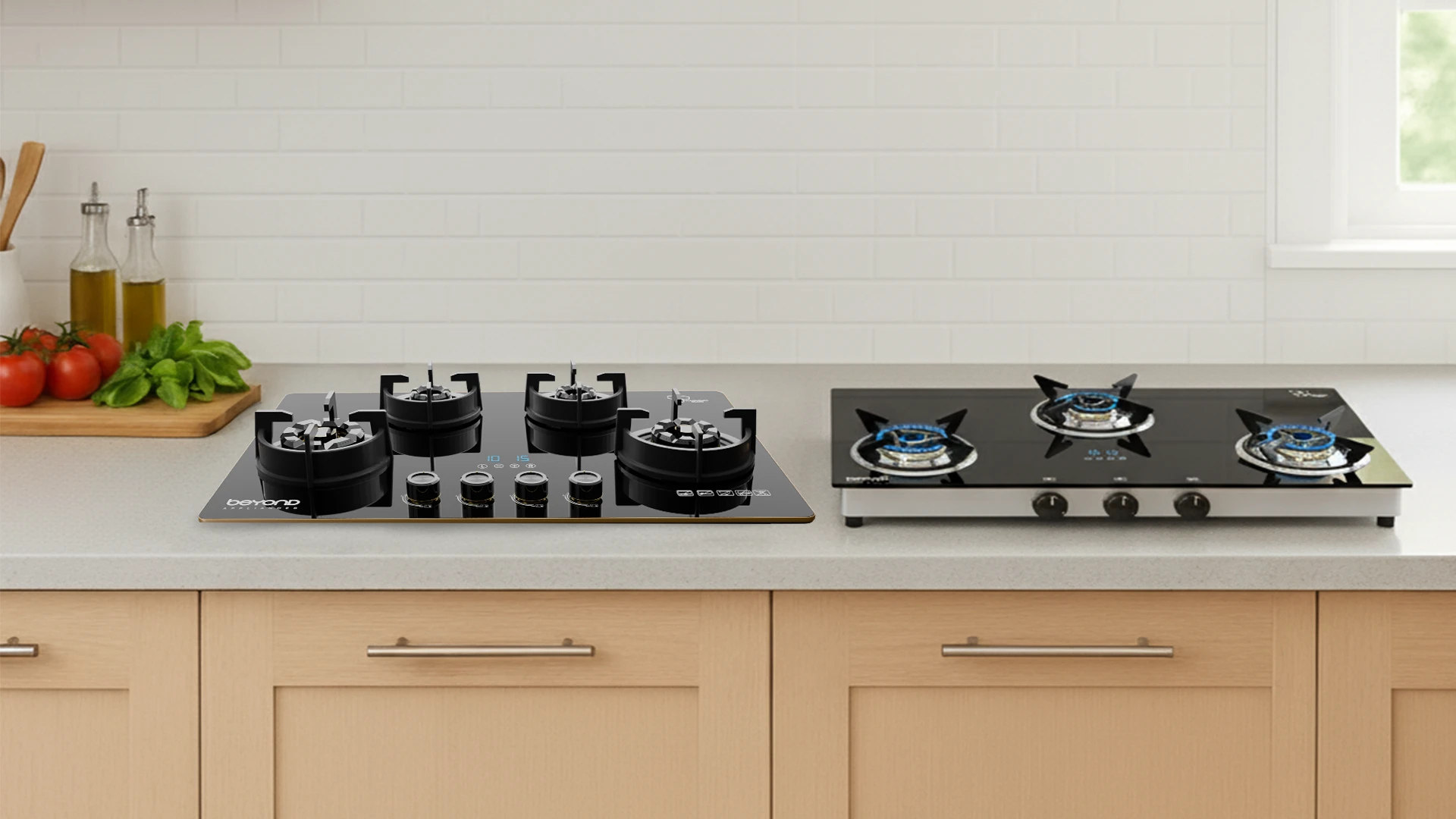
Choosing the right cooktop can transform your cooking experience and kitchen efficiency. With various options like gas cooktop, electric cooktop, and induction cooktop models available, making the right choice requires understanding your cooking needs, kitchen space, and budget. Modern kitchens demand appliances that combine performance with energy efficiency, and today's best cooktops deliver exactly that. Whether you're looking for a portable cooktop for small spaces or a full-sized kitchen cooktop for family meals, this guide will help you navigate the options and find your perfect cooking companion.
The foundation of choosing the best cooktop stove starts with understanding the three main types available. Each type offers distinct advantages and suits different cooking styles and kitchen setups. Gas, electric, and induction cooktops each have unique characteristics that affect cooking performance, energy consumption, and maintenance requirements.
A gas cooktop provides instant heat control with visible flame indicators. Professional chefs often prefer gas for its immediate response and precise temperature adjustments. The open flame works perfectly with wok cooking and provides excellent heat distribution for various cooking techniques. Gas cooktops typically cost less to operate in areas with affordable natural gas prices.
An electric cooktop offers smooth surfaces that are easy to clean and maintain. These units provide consistent heat distribution and excellent temperature stability, making them ideal for slow cooking and simmering. Electric cooktops work with all types of cookware and often feature multiple heating element sizes to accommodate different pot and pan sizes.
The induction cooktop represents the most advanced cooking technology available today. These units achieve 90% energy efficiency compared to 40-55% for gas or electric models. Induction cooking heats cookware directly through magnetic fields, providing rapid heating and precise temperature control. Many modern induction models qualify as smart cooktop options with app connectivity and advanced programming features.
A portable cooktop or countertop stove offers flexibility for small kitchens, outdoor cooking, or temporary cooking spaces. These compact units provide full cooking functionality while taking up minimal counter space. Portable options are available in gas, electric, and induction varieties.
Selecting the right cooktop involves evaluating several important features that affect daily cooking performance. Understanding these features helps you match cooktop capabilities with your specific cooking needs and kitchen requirements. Consider both immediate needs and long-term cooking goals when evaluating features.
Most kitchen cooktop models offer 2-burner to 6-burner configurations. Four-burner layouts provide the best balance for most families. Look for varied burner sizes including high-output burners for boiling and low-simmer burners for delicate sauces. Power output ratings help compare performance across different models.
Modern cooktops feature either traditional knob controls or digital touch controls. Smart cooktop models often include digital displays, timer functions, and preset cooking programs. Safety features like child locks and automatic shut-off provide peace of mind for busy households.
Surface materials significantly impact durability and maintenance. Stainless steel surfaces resist scratches and stains, while glass-ceramic surfaces offer easy cleaning. Cast iron grates provide durability for gas models, while sealed burners prevent spills from reaching internal components.
Energy efficiency directly impacts your monthly utility bills and environmental footprint. Understanding the energy consumption patterns of different cooktop types helps you make an informed financial decision. An efficient cooktop can save hundreds of rupees annually while providing superior cooking performance.
Induction cooktops lead in energy efficiency, converting 90% of energy into heat. Gas cooktops achieve 40-55% efficiency, while electric coil and smooth-top models reach 65-70% efficiency. Calculate annual operating costs by considering local energy prices and your cooking frequency.
Advanced smart cooktop models include automatic heat adjustment, cooking sensors, and energy monitoring features. These technologies optimize energy usage while improving cooking results. App connectivity allows remote monitoring and control, helping you manage energy consumption effectively.
Proper installation ensures safe operation and optimal performance of your new cooktop. Different cooktop types have specific installation requirements that affect both initial costs and long-term safety. Professional installation often provides warranty protection and ensures code compliance.
Gas cooktops require proper gas line connections and adequate ventilation. Electric models need appropriate electrical circuits, often 240V for full-size units. Induction cooktops may require upgraded electrical service to handle high power demands. Always verify local building codes and permit requirements.
Modern cooktops include multiple safety features like automatic shut-off, leak detection for gas models, and child safety locks. Induction cooktops offer the safest operation with cool-to-touch surfaces and automatic pan detection. Proper ventilation prevents moisture and odor buildup while removing cooking byproducts.
Choosing the best cooktop stove requires balancing performance, efficiency, and budget considerations. Consider your cooking habits, kitchen layout, and long-term goals when making this important investment. Quality cooktops provide years of reliable service and can significantly enhance your cooking experience.
Evaluate your cooking frequency, preferred cooking methods, and available kitchen space. Consider future needs like family growth or cooking skill development. Budget for both purchase price and installation costs, including any necessary electrical or gas line upgrades.
Look for comprehensive warranty coverage including parts, labor, and service calls. Extended warranty options provide additional protection for your investment. Reliable after-sales service ensures quick resolution of any issues that may arise.
Induction cooktops are the most energy efficient, converting 90% of electricity into heat compared to 65-70% for electric and 40-55% for gas cooktops. This efficiency translates to lower operating costs and faster cooking times.
Most families find 4-burner cooktops ideal for daily cooking needs. Smaller households may prefer 2-burner models, while large families or frequent entertainers benefit from 5-6 burner configurations.
Smart cooktops offer convenience features like remote monitoring, preset cooking programs, and energy tracking. These features provide value for tech-savvy cooks and busy households, though basic models may suit simpler cooking needs.
Installation costs vary by cooktop type and existing kitchen setup. Electric installations typically cost INR 2,000-5,000, while gas installations may cost INR 3,000-8,000 depending on gas line requirements.
Induction cooktops require magnetic cookware made from cast iron, carbon steel, or magnetic stainless steel. Test existing cookware with a magnet - if it sticks, it will work with induction cooking.
Selecting the best cooktop stove involves understanding your cooking needs, kitchen constraints, and efficiency goals. Whether you choose gas for instant control, electric for consistent heat, or induction for maximum efficiency, focus on quality construction and reliable performance. Consider long-term operating costs, safety features, and warranty coverage when making your decision. The right cooktop will serve your family for many years while enhancing your daily cooking experience and kitchen efficiency.
