
How to Choose Energy Efficient Cooktop Burners for Your Kitchen
Cart
Your cart is empty
Choosing the right energy efficient cooktop burners for your kitchen can significantly impact both your cooking experience and monthly electricity bills. With rising energy costs and growing environmental awareness, modern homemakers are increasingly looking for appliances that deliver excellent performance while minimizing power consumption. The right cooktop not only makes cooking more enjoyable but also contributes to a more sustainable lifestyle without compromising on the quality of your culinary creations.
Energy efficiency in cooktops refers to how effectively the appliance converts electrical or gas energy into usable heat for cooking. The most energy saving cooktops minimize heat loss and maximize the transfer of energy directly to your cookware. Understanding these fundamentals helps you make informed decisions that benefit both your wallet and the environment.
Several factors determine how efficiently a cooktop operates. Heat transfer efficiency varies dramatically between different technologies, with induction leading at 85-90% efficiency, electric cooktops achieving 65-70%, and gas cooktops reaching only 40-45%. The key lies in how much energy actually reaches your food versus how much gets lost to the surrounding air.
Energy loss occurs through radiation, convection, and conduction to surfaces other than your cookware. Efficient stove burners minimize these losses through advanced design and technology. Power consumption measurement involves understanding both the rated wattage and actual energy usage during different cooking tasks.
Understanding wattage versus actual energy use helps you compare different models effectively. A 1800W induction cooktop might use less total energy than a 1200W electric coil burner due to faster cooking times and better heat transfer. Energy Star ratings provide standardized comparisons, though not all cooktop types qualify for these certifications.
Long-term energy savings potential varies significantly between cooktop types. Induction cooktop efficiency translates to substantial savings over the appliance's lifetime, often offsetting higher initial costs within 2-3 years of regular use.
Different cooktop technologies offer varying levels of energy efficiency and cooking performance. Understanding these differences helps you choose the best option for your specific needs and cooking habits. Each technology has unique advantages that appeal to different types of home cooks.
Induction technology represents the pinnacle of low energy cooktop design, achieving 85-90% efficiency through electromagnetic heating. This technology creates a magnetic field that directly heats compatible cookware, eliminating energy waste from heating the cooktop surface itself.
The instant temperature control allows for precise cooking and immediate response to adjustments. Compatible cookware must be magnetic, including cast iron and most stainless steel pans. This requirement might necessitate upgrading your existing cookware collection.
Electric cooktops, including both radiant and coil varieties, achieve moderate efficiency levels of 65-70%. These systems heat elements that then transfer heat to cookware, resulting in some energy loss to the surrounding air. Cooktop power consumption remains relatively high due to preheating requirements and continued heat generation.
Heat distribution patterns vary between radiant and coil designs, with radiant surfaces providing more even heating. Maintenance significantly impacts efficiency, as dirty or damaged elements reduce heat transfer effectiveness.
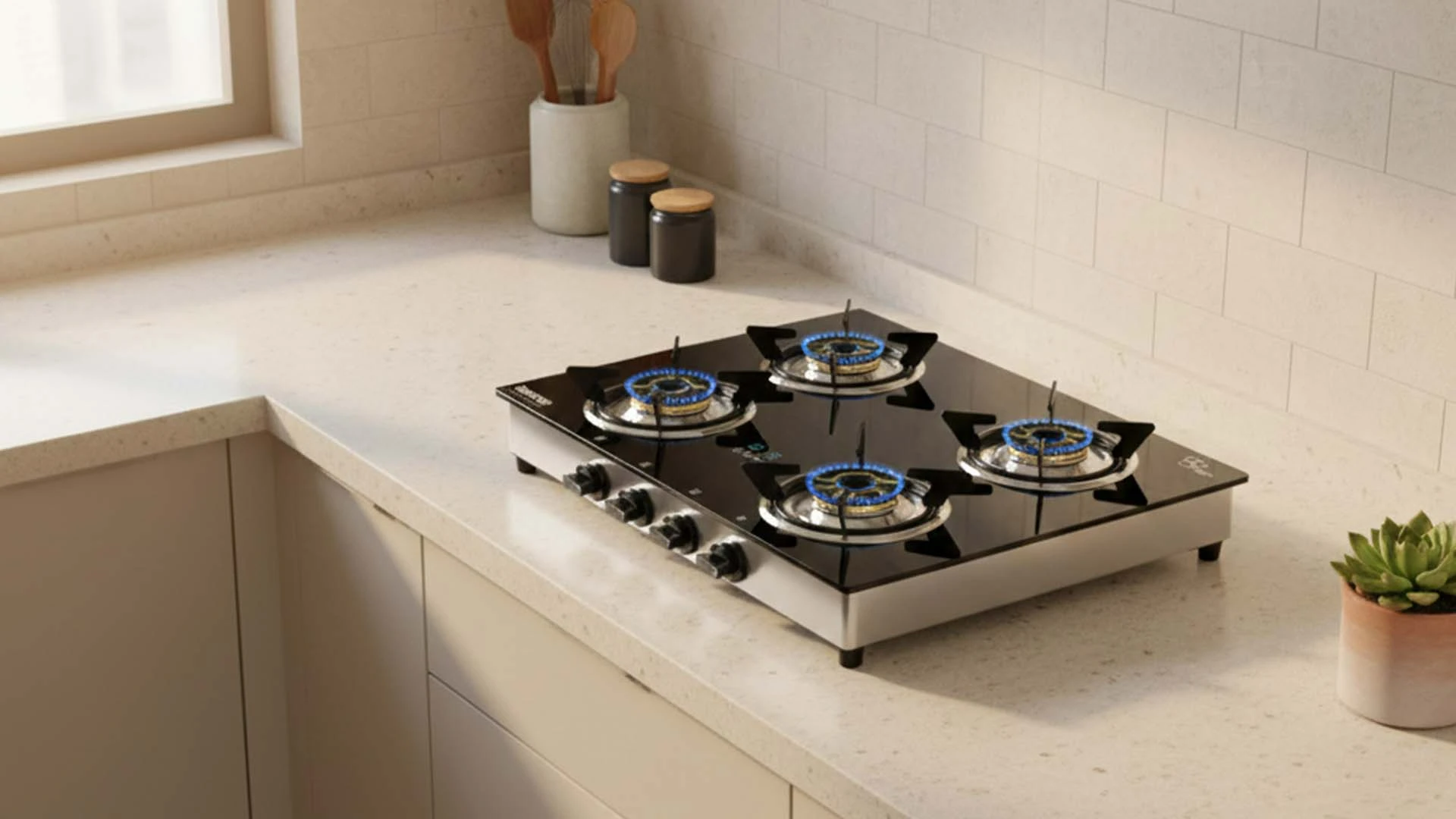
Gas cooktops operate at 40-45% efficiency, with significant heat loss around burner edges and through combustion gases. While gas provides excellent temperature control and works with all cookware types, the energy efficiency remains lower than electric alternatives.
BTU ratings indicate heat output potential but don't directly correlate to cooking efficiency. Ventilation requirements for gas cooktops also consume additional energy through exhaust fans and makeup air systems.
Modern eco friendly cooktops incorporate intelligent features that optimize energy consumption without sacrificing cooking performance. These technologies learn from your cooking patterns and automatically adjust power levels for maximum efficiency. Smart features represent the future of energy-conscious cooking appliances.
Auto shut-off timers prevent energy waste from forgotten burners while enhancing kitchen safety. Temperature sensors maintain precise heat levels without overshooting, reducing unnecessary energy consumption. Power boost modes provide intense heat when needed, then automatically reduce to maintain cooking temperatures.
Residual heat indicators help you utilize stored heat for gentle cooking tasks, maximizing the energy already consumed. These features work together to create an intelligent cooking system that adapts to your needs.
Pre-configured settings optimize power levels for common cooking methods like boiling, simmering, or searing. These presets eliminate guesswork and ensure consistent, energy-efficient results. Timer-based cooking programs automatically adjust heat levels throughout the cooking process.
Memory functions store your frequently used settings, making energy efficient cooking more convenient and consistent. These smart features reduce the learning curve while maximizing energy savings.
Selecting appropriate wattage balances cooking performance with energy consumption. Higher wattage doesn't always mean better efficiency, especially if the power exceeds your actual cooking requirements. Understanding your cooking habits helps determine the optimal power level for your household.
Wattage options typically range from 1200W for basic models to 2000W for high-performance units. Cooktop burner types influence how effectively this power translates to cooking performance. Kitchen electrical capacity must accommodate your chosen wattage without overloading circuits.
Balancing power and energy efficiency requires matching wattage to your actual cooking needs. Oversized units waste energy during light cooking tasks, while undersized units may run inefficiently at maximum power.
Light cooking and reheating needs work well with 1200-1400W units, providing adequate power for basic tasks while minimizing energy consumption. Regular family meal preparation benefits from 1600-1800W cooktops that handle larger quantities efficiently.
Heavy-duty and professional-style cooking may require 2000W or higher for optimal performance. Multi-burner usage patterns also influence wattage requirements, as simultaneous cooking tasks demand higher total power capacity.
Environmental considerations extend beyond energy efficiency to include manufacturing processes, material choices, and end-of-life disposal. Smart cooktop features often contribute to sustainability through reduced energy consumption and longer appliance lifespans. Choosing eco-friendly options supports broader environmental goals while providing excellent cooking performance.
Carbon footprint comparisons reveal significant differences between cooktop technologies. Induction cooktops generally produce lower lifetime emissions due to superior efficiency, especially when powered by renewable energy sources. Manufacturing and disposal considerations vary by materials and construction methods.
Lifecycle environmental costs include raw material extraction, manufacturing energy, transportation, use-phase consumption, and recycling potential. Electric cooktop efficiency improvements continue reducing environmental impact as grid electricity becomes cleaner.
Optimal cookware selection maximizes energy transfer regardless of cooktop type. Flat-bottomed pans with good heat conductivity work most efficiently. Cooking methods that reduce energy use include batch cooking, using lids to retain heat, and matching pan size to burner size.
Meal planning for energy savings involves grouping cooking tasks and utilizing residual heat. Regular maintenance practices sustain efficiency by keeping surfaces clean and ensuring proper operation of all components.
Financial planning for energy-efficient cooktops involves evaluating initial costs against long-term savings. Installation requirements vary significantly between cooktop types, affecting total project costs. Understanding these factors helps you budget effectively while maximizing return on investment.
Purchase prices vary widely, with induction cooktops typically commanding premium pricing but offering superior efficiency. Installation costs depend on electrical requirements, with some units needing dedicated circuits or voltage upgrades. Monthly energy bill impacts become apparent within the first few months of use.
Payback period analysis shows that efficient cooktops often recover their additional cost through energy savings within 2-4 years. This calculation depends on cooking frequency, local energy rates, and efficiency improvements over previous appliances.
Countertop space requirements vary between cooktop styles, with some models needing specific clearances for proper ventilation. Electrical circuit and voltage requirements may necessitate professional electrical work, adding to installation costs.
Smart home integration possibilities allow energy monitoring and remote control capabilities. These features enhance convenience while providing insights into energy consumption patterns that support continued efficiency improvements.
Induction cooktops provide the highest energy efficiency at 85-90%, significantly outperforming electric cooktops at 65-70% and gas cooktops at 40-45%. The electromagnetic heating technology transfers energy directly to cookware, minimizing waste heat.
Energy efficient cooktops can reduce cooking-related electricity costs by 30-50% compared to traditional models. Average households may save INR 3,000-9,000 annually, depending on cooking frequency and local electricity rates.
For light cooking, 1200-1400W suffices, while regular family cooking benefits from 1600-1800W units. Heavy cooking or large families may require 2000W or higher for optimal performance and efficiency.
Induction cooktops require magnetic cookware like cast iron or magnetic stainless steel. For all cooktop types, flat-bottomed pans with good heat conductivity optimize energy transfer and cooking efficiency.
Quality energy efficient cooktops typically last 10-15 years with proper maintenance. Induction models often have longer lifespans due to fewer moving parts and lower operating temperatures, making them excellent long-term investments.
Selecting energy efficient cooktop burners requires balancing performance, efficiency, and cost considerations. Induction technology offers superior efficiency and modern features, while electric and gas options provide familiar cooking experiences with varying efficiency levels. Smart features enhance both convenience and energy savings, making modern cooktops excellent investments for environmentally conscious homeowners.
The right choice depends on your cooking habits, kitchen infrastructure, and budget constraints. Investing in energy efficient cooking technology not only reduces operating costs but also contributes to a more sustainable lifestyle. Consider your long-term needs and cooking preferences when making this important kitchen upgrade decision.
