

How to Achieve Smart Kitchen Design for a Modern, Functional Space
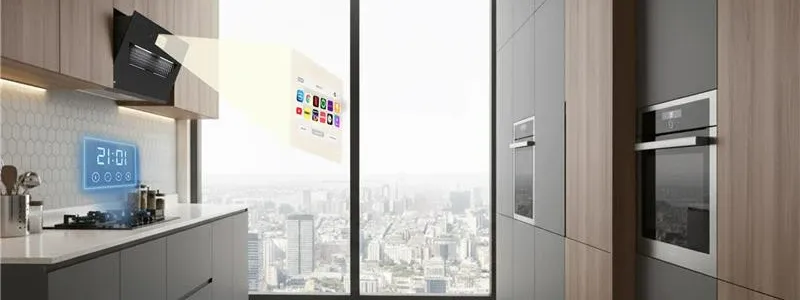
Modern kitchens have evolved far beyond basic cooking spaces into sophisticated hubs that seamlessly blend smart kitchen design with cutting-edge technology. Today's homeowners demand spaces that not only look stunning but also enhance daily workflows through intelligent planning and innovative appliances. A well-designed smart kitchen transforms cooking from a chore into an enjoyable experience while maximizing efficiency and sustainability. The key lies in understanding how modern kitchen design principles work together with advanced technology to create spaces that adapt to your lifestyle rather than forcing you to adapt to them.
Smart kitchen design represents a holistic approach that combines intelligent technology, ergonomic planning, and sustainable materials to create highly functional cooking spaces. This design philosophy focuses on creating kitchens that anticipate user needs while minimizing wasted effort and resources.
The foundation of smart kitchen design rests on three core principles: efficiency, adaptability, and sustainability. Efficiency ensures every element serves multiple purposes while reducing energy consumption. Adaptability allows the space to evolve with changing needs and technology advances. Sustainability incorporates energy-efficient kitchen appliances and eco-friendly materials that reduce environmental impact without compromising performance.
Modern smart kitchens seamlessly integrate technology into the design framework rather than treating it as an afterthought. Connected appliances communicate with each other to optimize performance and energy usage. Smart ventilation systems, including advanced chimney designs, automatically adjust based on cooking activities to maintain optimal air quality.
Successful kitchen workflow optimization begins with understanding individual cooking habits and preferences. Smart design adapts to whether you prefer quick meal preparation or elaborate cooking sessions. This personalization extends to appliance placement, storage accessibility, and even lighting schemes that support different kitchen activities.
Creating an effective functional kitchen layout requires careful consideration of movement patterns and task efficiency. The traditional work triangle concept remains relevant but has evolved to accommodate modern cooking styles and multiple users. Smart layouts incorporate zones for preparation, cooking, cleanup, and storage while maintaining smooth traffic flow.
Ergonomic planning ensures comfortable use for people of different heights and abilities. Counter heights, appliance placement, and storage accessibility all contribute to reducing physical strain during kitchen tasks. Modular design elements allow for future modifications without requiring complete renovations.
Small kitchens benefit from vertical storage solutions and multi-functional appliances that maximize limited space. Compact yet powerful appliances like slim-profile chimneys and space-saving cooktops provide full functionality without overwhelming the area.
Smart kitchens incorporate movable islands, adjustable shelving, and modular storage systems that adapt to changing needs. These flexible elements ensure the kitchen remains functional as family size and cooking habits evolve over time.
Smart kitchen technology encompasses everything from connected appliances to automated systems that enhance cooking efficiency and convenience. Modern appliances feature IoT connectivity that allows remote monitoring and control through smartphone apps. This connectivity enables predictive maintenance alerts and energy usage optimization.
Voice-controlled systems provide hands-free operation of lights, music, timers, and compatible appliances. Touchless faucets and automated lighting systems improve hygiene while reducing energy waste. Smart ventilation systems automatically adjust fan speeds based on cooking intensity and air quality sensors.
Integrated appliance systems communicate to coordinate cooking processes. Smart ovens preheat based on recipe requirements while ventilation systems prepare for anticipated cooking smoke and odors. This coordination reduces energy waste and improves cooking results.
Energy-efficient kitchen appliances incorporate smart sensors that adjust power consumption based on actual usage needs. Induction cooktops provide precise temperature control while consuming less energy than traditional gas burners. Advanced chimney systems feature variable speed controls that optimize air circulation efficiency.
Sustainable kitchen materials play a crucial role in creating environmentally responsible smart kitchens. Recycled and renewable materials reduce environmental impact while often providing superior durability and performance. Bamboo, reclaimed wood, and recycled metal surfaces offer beauty and functionality with minimal ecological footprint.
Minimalist kitchen decor principles emphasize clean lines, uncluttered surfaces, and purposeful design elements. This approach creates visually appealing spaces while simplifying maintenance and improving functionality. Hidden storage solutions maintain the minimalist aesthetic while providing ample organization options.
Quartz countertops made from recycled materials provide durability and low maintenance requirements. Ceramic and porcelain tiles offer water resistance and easy cleaning while reducing the need for harsh chemical cleaners.
Energy Star certified appliances significantly reduce electricity consumption and operational costs. High-efficiency chimneys and ventilation systems improve indoor air quality while minimizing energy usage through advanced motor technology and smart controls.
Effective kitchen storage solutions maximize available space while maintaining easy access to frequently used items. Smart storage systems incorporate pull-out drawers, rotating corner units, and vertical dividers that make every inch of space functional. These solutions reduce clutter and improve cooking efficiency by keeping essential tools within easy reach.
Kitchen organization tips emphasize the importance of designated zones for different activities. Preparation areas require knife storage and cutting board access. Cooking zones need easy access to spices and cooking utensils. Cleanup areas benefit from hidden trash solutions and dish storage systems.
Wall-mounted magnetic strips hold knives and metal utensils safely while freeing drawer space. Ceiling-hung pot racks provide storage for frequently used cookware while adding visual interest to the kitchen design.
Toe-kick drawers utilize typically wasted space beneath base cabinets for storing lightweight items. Hidden spice racks behind cabinet doors keep seasonings organized and easily accessible during cooking.
Smart kitchen design doesn't require massive budgets when approached strategically. Phased implementation allows homeowners to spread costs over time while gradually building a comprehensive smart kitchen system. Starting with high-impact, budget-friendly upgrades creates immediate improvements while establishing the foundation for future enhancements.
DIY smart upgrades include installing under-cabinet LED lighting, adding smart switches for existing appliances, and organizing storage areas with affordable modular systems. These improvements provide immediate benefits while requiring minimal investment.
Smart plugs convert regular appliances into connected devices for remote control and energy monitoring. Programmable thermostats for kitchen ventilation reduce energy costs while maintaining comfort. Simple smartphone apps provide recipe management and cooking timers without requiring expensive dedicated devices.
Investing in quality energy-efficient kitchen appliances reduces operational costs over time. Premium chimneys with variable speed controls and efficient motors provide years of reliable service while minimizing electricity consumption. Extended warranty options protect these investments and ensure continued performance.
Smart kitchen design costs vary significantly based on scope and appliance selection. Basic smart upgrades start around INR 50,000-1,00,000, while comprehensive renovations range from INR 3,00,000-8,00,000. Phased implementation helps manage costs while building a complete smart kitchen system over time.
Absolutely. Smart design principles excel in small spaces through efficient storage solutions, compact appliances, and optimized workflows. Vertical storage, multi-functional appliances, and clever organization systems maximize functionality without requiring additional square footage.
Essential technologies include energy-efficient ventilation systems, induction cooktops for precise temperature control, LED lighting with dimming capabilities, and smart storage solutions. These elements provide immediate functionality improvements while establishing foundations for future technology integration.
Start with assessment of current workflow patterns and identify primary pain points. Begin with simple upgrades like improved lighting, organization systems, and one or two smart appliances. Gradually add connected technologies and expand smart features based on experience and budget availability.
Smart kitchen design represents the future of home cooking spaces, combining intelligent technology with thoughtful planning to create environments that enhance daily life. The key to success lies in understanding that smart design goes beyond gadgets to encompass workflow optimization, sustainable materials, and adaptable layouts that grow with changing needs. Whether working with a compact space or expansive kitchen, the principles of efficiency, sustainability, and user-centered design create spaces that truly serve their users. By implementing these strategies gradually and thoughtfully, any kitchen can evolve into a smart, functional space that makes cooking more enjoyable and efficient while reducing environmental impact and operational costs.
