

How Programmable Cooktop Works: Complete Guide
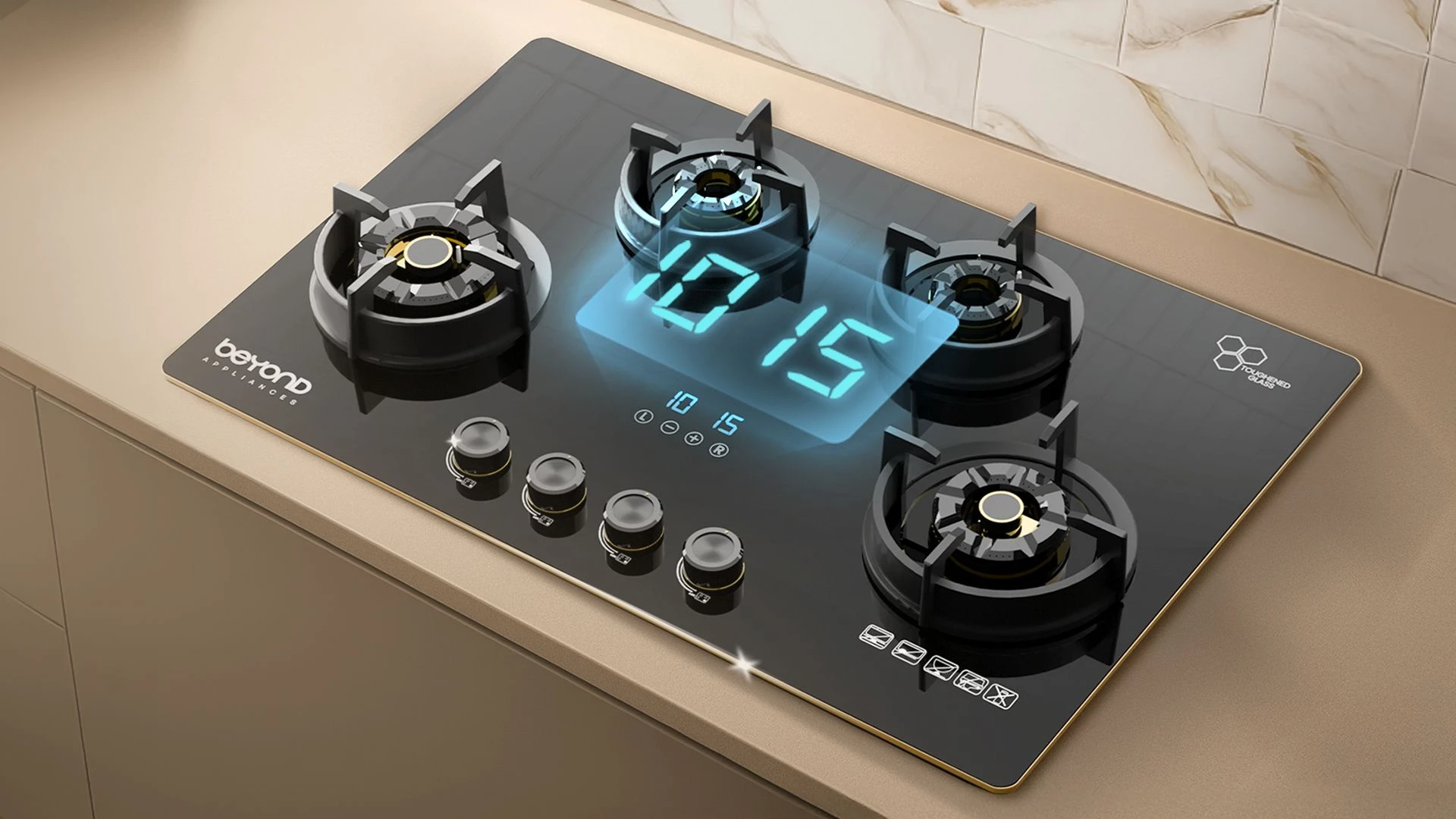
Modern kitchens are evolving rapidly with smart technology that makes cooking easier and more precise. Programmable cooktops represent a significant leap forward in kitchen appliance innovation. These advanced cooking surfaces combine traditional heating methods with digital controls and automated features. Understanding how these systems work helps you make better cooking decisions and get the most from your kitchen investment. Whether you're considering an induction cooktop or an advanced electric cooktop, knowing the technology behind programmable features transforms your cooking experience.
A programmable cooktop is an advanced cooking appliance that combines traditional heating elements with digital controls and automation features. Unlike conventional gas stoves, these systems offer precise temperature control, preset cooking programs, and smart connectivity options. The technology allows you to set specific cooking parameters and let the cooktop manage the entire cooking process automatically.
The core difference between a smart cooktop and traditional models lies in the control system. Programmable units feature microprocessors that monitor and adjust heat output based on your settings. These systems use temperature sensors, timers, and feedback loops to maintain consistent cooking conditions. The cooktop technology integrates digital displays, touch controls, and memory functions that store your preferred cooking settings.
For induction cooktop models, the process begins with electromagnetic coils beneath the cooking surface. When activated, these coils generate a magnetic field that creates eddy currents in compatible cookware. This process heats the pan directly rather than heating the cooktop surface first. The result is faster heating, better energy efficiency, and more responsive temperature control. Electric models use resistive heating elements controlled by sophisticated temperature regulation systems.
Different cooktop technology approaches offer various benefits depending on your cooking needs and kitchen setup. Each system type provides unique advantages in terms of performance, efficiency, and programming capabilities.
Induction systems excel at precision cooking through electromagnetic field control. The coils can adjust power output instantly, providing immediate response to temperature changes. Digital sensors monitor cookware temperature continuously, allowing the system to maintain exact heat levels. Advanced models include multiple power zones, each programmable independently for complex meal preparation.
Programmable electric cooktop models use resistive heating elements with digital temperature control. These systems heat more gradually than induction but offer excellent temperature stability once heated. The programming features include preset cooking modes, timer functions, and gradual temperature adjustment algorithms that prevent overcooking.
Some advanced models combine both induction and electric heating zones on the same surface. This hybrid approach gives you flexibility to choose the best heating method for different cooking tasks. The programming system coordinates between zones, allowing complex cooking sequences across multiple areas simultaneously.
Understanding the essential components helps you appreciate how programmable cooktops deliver superior cooking performance. These systems integrate multiple technologies to create a seamless cooking experience.
Modern cooktop controls feature intuitive digital displays with touch-sensitive surfaces. The interface typically includes temperature settings, timer controls, and preset cooking modes. Many models store multiple user profiles, remembering your preferred settings for different dishes. The control system also provides real-time feedback about cooking progress and remaining time.
Automated cooking capabilities include multi-step programming where the cooktop adjusts temperature and timing automatically. Some models integrate with temperature probes that monitor food internal temperature. Safety features include automatic shutoff, overheat protection, and child safety locks. These systems can execute complex cooking sequences without constant monitoring.
Wi-Fi enabled models connect to smartphone apps for remote monitoring and control. You can start cooking programs, adjust settings, and receive notifications about cooking progress. Recipe integration guides you through cooking steps with automatic temperature and timing adjustments. This connectivity transforms your cooktop into part of a complete smart kitchen ecosystem.
The complete cooking process involves several automated steps that ensure consistent results every time. Understanding this process helps you maximize the benefits of programmable features.
When you place cookware on the surface, sensors detect the pan size and material compatibility. For induction models, the system verifies magnetic cookware before activating heating elements. The cooktop calibrates power output based on pan characteristics and selected cooking program. This initial setup ensures optimal heat transfer and cooking performance.
Once programming begins, the cooktop follows a precise sequence. First, it rapidly heats to the target temperature using maximum power output. Temperature sensors then provide continuous feedback to maintain exact heat levels. The system automatically adjusts power output to compensate for heat loss or temperature fluctuations. Finally, it completes the cooking cycle with automatic shutoff and cooling sequences.
The control system uses sophisticated algorithms to maintain temperature accuracy within narrow ranges. Power modulation occurs hundreds of times per minute, ensuring consistent heat output. Heat distribution optimization prevents hot spots and ensures even cooking across the entire pan surface. This level of control enables restaurant-quality results in home kitchens.
Comparing programmable cooktops to conventional cooking methods reveals significant advantages in efficiency, safety, and cooking precision. These benefits justify the investment for serious home cooks.
Efficient cooking with programmable cooktops reduces energy consumption by 40-50% compared to gas stoves. Induction models transfer heat directly to cookware, eliminating energy loss through ambient heating. The precise temperature control prevents overcooking and reduces cooking times. Automated features also minimize energy waste by shutting off heating elements exactly when cooking completes.
Programmable cooktops maintain cooler surface temperatures, reducing burn risks significantly. Automatic shutoff features prevent overheating and fire hazards. Child safety locks disable controls when not in use. The absence of open flames eliminates gas leak concerns and improves indoor air quality.
Temperature stability within 1-2 degrees enables techniques impossible with traditional methods. Repeatable cooking results mean your favorite dishes turn out perfectly every time. Professional-grade control features like gentle simmering and rapid boiling expand your cooking capabilities significantly.
Electromagnetic coils beneath the cooking surface generate alternating magnetic fields. When compatible cookware is placed on the surface, these fields create eddy currents in the pan bottom. The electrical resistance of the cookware converts these currents into heat, warming the pan directly rather than heating the cooktop surface first.
Induction cooktops require cookware made from magnetic materials like cast iron, carbon steel, or magnetic stainless steel. The pan bottom must be flat and smooth for optimal heat transfer. Non-magnetic materials like aluminum, copper, or glass won't work unless they have a magnetic base layer.
Most programmable cooktops allow independent programming of each cooking zone. You can set different temperatures, timers, and cooking modes for each burner. Advanced models coordinate between zones for complex meal preparation, adjusting timing to ensure all dishes finish simultaneously.
High-quality programmable cooktops maintain temperature accuracy within 1-3 degrees Fahrenheit. This precision enables techniques like chocolate tempering, gentle simmering, and precise oil heating for frying. The rapid response time allows immediate temperature adjustments when needed.
Electric and induction programmable cooktops require electricity to operate and won't function during power outages. However, some models include battery backup for control systems, allowing you to save programming settings and maintain safety features even when main power is interrupted.
Operating costs depend on local electricity rates and usage patterns. Induction models typically cost INR 2-4 per hour of cooking time. The high efficiency and precise control often result in lower overall energy costs compared to gas cooking, especially when factoring in reduced cooking times.
Programmable cooktops represent the future of home cooking technology. These systems combine precision temperature control, automated cooking features, and smart connectivity to transform your kitchen experience. Whether you choose an induction model for maximum efficiency or an electric version for versatility, programmable features deliver consistent results and enhanced safety. The investment in advanced cooktop technology pays dividends through reduced energy costs, improved cooking outcomes, and the convenience of automated cooking programs. As smart home integration continues expanding, programmable cooktops serve as the foundation for truly intelligent kitchen systems.
