

How Electric Cooktops Work: Complete Beginner's Guide
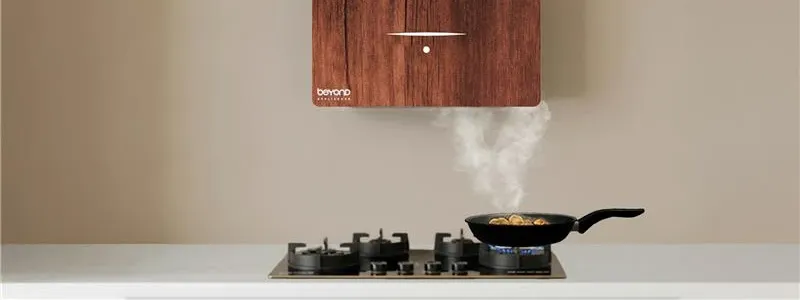
Electric cooktops have become essential appliances in modern kitchens, offering precise temperature control and efficient cooking solutions. Whether you're upgrading from gas or buying your first electric cooking surface, understanding how these appliances work helps you make informed decisions and use them effectively. From traditional coil elements to advanced induction technology, electric cooktops use different methods to transform electrical energy into heat for cooking. This guide breaks down the science behind electric cooktop operation, explores various types available, and explains the features that make modern cooktops smart and efficient.
Electric cooktops operate on a simple yet effective principle: converting electrical energy into heat through resistance. When you turn on a burner, electricity flows through cooktop heating elements made of specially designed metal coils or ceramic surfaces. The electrical current encounters resistance as it passes through these elements, generating heat that transfers to your cookware. Most electric cooktops use 240-volt electrical connections, providing more power than standard household outlets. The control knobs or touch panels regulate this electrical flow through infinite heat switches, allowing precise temperature adjustments. These switches rapidly cycle the power on and off, maintaining consistent heat levels without overheating. Safety mechanisms built into modern electric cooktops include automatic shut-off features, overheat protection, and residual heat indicators. These systems monitor surface temperatures and electrical flow, preventing accidents and protecting both the appliance and your kitchen.
Different types of cooktops use varying technologies to generate and transfer heat. Understanding these differences helps you choose the right cooking surface for your needs and cooking style.
Traditional coil cooktops feature exposed spiral heating elements that glow red when heated. These elements consist of metal-sheathed electrical coils that heat up when current flows through them. Coil cooktops offer reliable performance and work with all types of cookware.
Smooth-top cooktops hide their heating elements beneath a glass-ceramic surface. Radiant elements underneath the glass heat up and transfer warmth through the smooth surface to your cookware. These cooktops provide easier cleaning and a sleek appearance while maintaining efficient heat transfer.
Induction cooktop technology represents the most advanced electric cooking method. Instead of heating elements, induction cooktops use electromagnetic fields to heat compatible cookware directly. This technology offers superior efficiency and precise temperature control.
Induction technology revolutionizes how electric cooktop works by using electromagnetic fields instead of traditional heating elements. Beneath the glass surface, copper coils generate rapidly alternating magnetic fields when electricity flows through them. When you place ferromagnetic cookware on an induction burner, the magnetic field induces electrical currents within the pot or pan itself. These currents create resistance within the cookware material, generating heat directly in the cooking vessel rather than heating the cooktop surface first.
Induction cooktops require cookware made from ferromagnetic materials like cast iron, carbon steel, or magnetic stainless steel. The cookware essentially becomes the heating element, allowing for instant temperature changes and precise control.
This direct heating method provides immediate response to temperature adjustments. When you reduce heat settings, the cooking temperature drops instantly because the electromagnetic field weakens immediately, unlike traditional elements that must cool down physically.
Cooktop efficiency varies significantly between different electric cooking technologies. Understanding energy consumption helps you choose appliances that balance performance with operating costs. Induction cooktops achieve approximately 85-90% energy efficiency, transferring most electrical energy directly to cookware. Traditional coil and radiant cooktops typically reach 65-70% efficiency, losing heat to surrounding air and the cooktop surface itself.
Most electric cooktop burners range from 1200 to 3000 watts. Higher wattage elements heat faster but consume more electricity. Cooktop energy consumption depends on cooking duration, temperature settings, and burner size selection.
While induction cooktops may cost more initially, their superior efficiency often results in lower electricity bills over time. The reduced energy waste also means smaller environmental impact compared to less efficient cooking methods.
Modern cooktop technology incorporates intelligent features that enhance cooking precision and kitchen safety. Smart cooktop features transform traditional cooking into connected, automated experiences. Touch screen controls replace mechanical knobs, offering precise temperature settings and programmable cooking modes. Digital displays show exact temperatures, timer countdowns, and energy consumption data in real-time.
Wi-Fi enabled cooktops connect to smartphone apps, allowing remote monitoring and control. You can adjust temperatures, set timers, and receive notifications about cooking progress from anywhere in your home.
Advanced safety systems include child locks, automatic pan detection, and overheat protection. Some models feature voice control compatibility, integrating seamlessly with smart home ecosystems for hands-free operation.
Electric cooktops work by sending electrical current through heating elements or electromagnetic coils. Traditional models use resistance heating, where electricity flows through metal elements that heat up and transfer warmth to cookware. Induction models create magnetic fields that heat compatible cookware directly.
Induction cooktops use electromagnetic fields to heat cookware directly, while traditional electric cooktops heat elements that transfer warmth to pots and pans. Induction technology offers faster heating, better efficiency, and more precise temperature control.
Higher wattage burners (1800-3000W) heat faster and work better for large cookware or high-heat cooking. Lower wattage elements (1200-1500W) provide gentle heat for simmering and work well for smaller pans while consuming less energy.
Traditional electric cooktops work with any flat-bottomed cookware. Induction cooktops require ferromagnetic materials like cast iron or magnetic stainless steel. You can test cookware compatibility by checking if a magnet sticks to the bottom.
Electric cooktops typically consume 1-3 kilowatts per hour depending on burner size and heat settings. Induction cooktops use approximately 10-15% less energy than traditional electric models due to their superior heat transfer efficiency.
Electric cooktops offer reliable, efficient cooking solutions through various heating technologies. Traditional coil and radiant models provide dependable performance with universal cookware compatibility. Induction technology delivers superior efficiency, precise control, and faster cooking times with compatible cookware. Modern smart features enhance safety and convenience while reducing energy consumption. Understanding how these appliances work helps you choose the right cooktop for your kitchen needs and cooking style.
