

How Burner Hole Size Impacts Gas Stove Performance
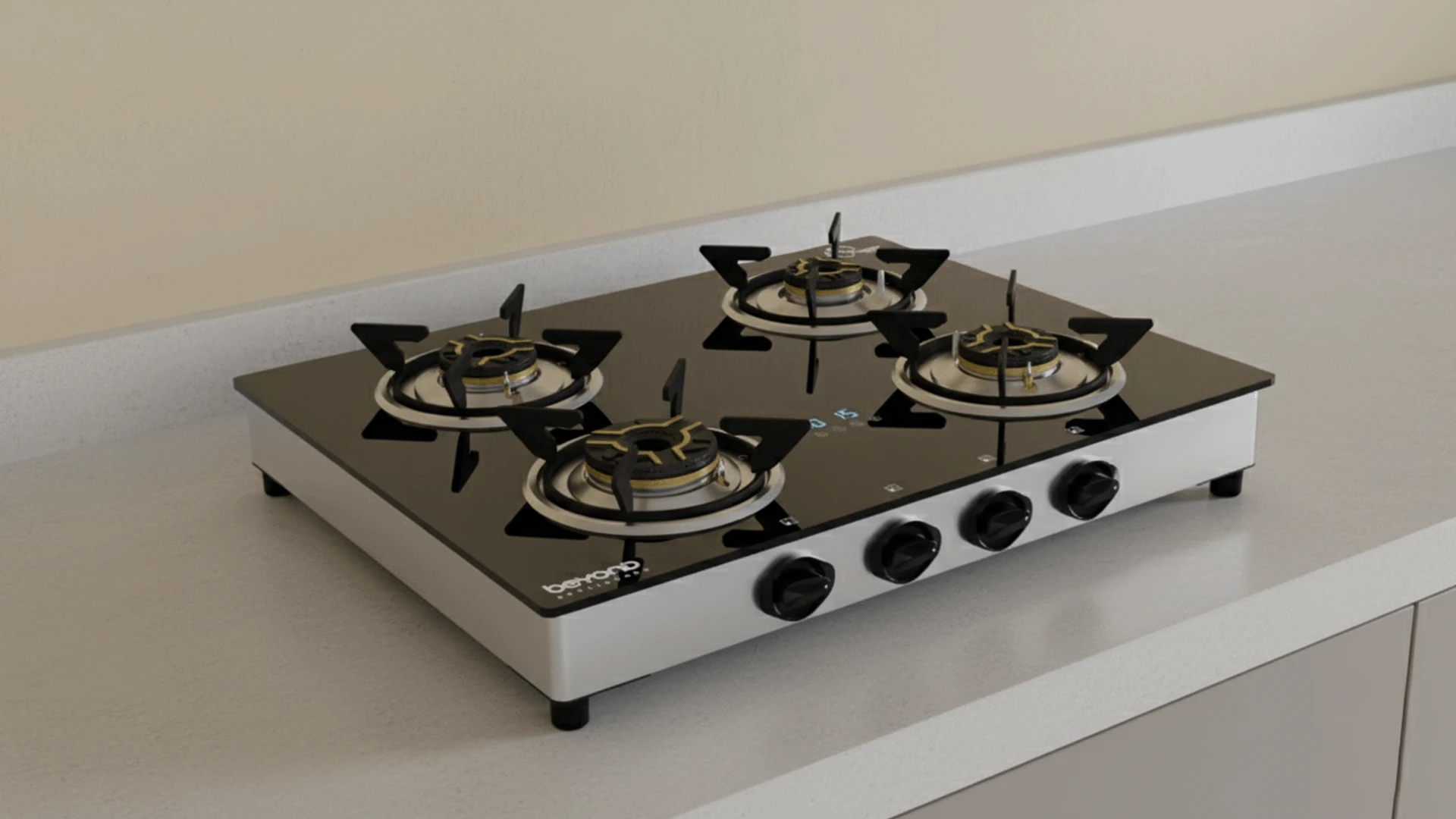
The size of burner holes on your gas stove plays a crucial role in cooking performance, yet many home cooks overlook this important detail. These tiny openings control gas flow, flame characteristics, and ultimately determine how efficiently your stove heats your cookware. Understanding how burner hole size impacts your cooking experience can help you maintain optimal performance and troubleshoot common issues. Whether you're dealing with uneven flames, poor heat output, or excessive gas consumption, the answer often lies in the condition and sizing of these small but vital components.
The answer is absolutely yes - burner hole size significantly affects your gas stove's performance. The diameter of each hole determines the gas flow rate and pressure, which directly impacts combustion efficiency. When holes are properly sized, they create the ideal air-to-gas ratio for complete combustion, resulting in clean blue flames and maximum heat output. Scientific principles govern how these holes work. Gas exits through the orifice at high velocity, creating a venturi effect that draws in primary air for combustion. The burner jet size must be precisely calibrated to match your gas type and desired BTU output. Too small, and you get incomplete combustion with yellow flames. Too large, and the flame becomes unstable or blows off entirely. Manufacturers spend considerable time engineering the perfect hole size for each burner model. This involves complex calculations considering gas pressure, burner design, and intended cooking applications. The result is optimized gas burner efficiency that delivers consistent performance across different heat settings.
Understanding your gas burner's components helps explain why hole size matters so much. Modern gas burners consist of several key parts working together to create controlled combustion. The gas orifice, primary air ports, and burner cap all feature precisely sized openings that affect performance. There are two main types of holes in gas burners. Primary air ports allow air to mix with gas before combustion, while gas orifices control the actual gas flow rate. Each serves a specific purpose in achieving optimal flame characteristics and gas stove performance.
Burner holes typically range from 0.5mm to 2.0mm in diameter, depending on their function and gas type. Natural gas requires larger holes than propane due to different pressure requirements and combustion characteristics. These measurements are not arbitrary - they're calculated based on gas flow dynamics and safety standards.
Quality manufacturers use precision drilling and laser cutting to ensure consistent hole sizes across production runs. Even tiny variations can affect performance, which is why reputable brands invest heavily in quality control processes. This attention to detail translates into reliable cooking performance for years.
The quality of your stove burner flame serves as a direct indicator of proper hole sizing and condition. A well-adjusted burner produces steady blue flames with minimal yellow tips. The flame should be stable, evenly distributed around the burner ring, and respond quickly to heat adjustments. When burner holes are too small, you'll notice several telltale signs. Yellow or orange flames indicate incomplete combustion, which wastes gas and produces less heat. The flames may also appear lazy or flickering, struggling to maintain consistent height and intensity.
Conversely, holes that are too large create their own set of issues. Flames may lift off the burner surface or blow out entirely at higher settings. You might hear unusual noise or notice flames that seem to dance or flutter excessively.
The ideal flame burns with a crisp blue color and maintains steady height across all burner ports. This indicates proper gas-to-air mixing and complete combustion. Such flames provide maximum heat transfer to your cookware while minimizing gas consumption.
Proper burner size and heat distribution directly impact your cooking results and energy costs. When holes are correctly sized, your burner achieves its rated BTU output efficiently. This means faster heating times, more responsive temperature control, and lower gas bills. Heat distribution patterns across your cookware depend heavily on hole placement and sizing. Well-designed burners create even heating zones that prevent hot spots and ensure uniform cooking. This is particularly important for delicate tasks like making sauces or melting chocolate.
Incorrect hole sizing can increase gas consumption by 15-25% while delivering less usable heat. This inefficiency compounds over time, resulting in higher utility bills and longer cooking times. Efficient cooking burners with properly sized holes maximize heat transfer while minimizing waste.
Different cooking techniques benefit from specific flame characteristics. Simmering requires gentle, even heat from smaller flames, while high-heat cooking needs intense, focused flames. Properly sized holes enable your burner to excel across this entire range.
Optimizing gas burner performance requires regular maintenance focused on keeping holes clean and unobstructed. Food particles, grease, and mineral deposits can partially block holes, affecting gas flow and flame quality. Simple cleaning routines prevent most performance issues. Safety should always be your first priority when cleaning burner holes. Turn off gas supply and ensure burners are completely cool before beginning any maintenance. Use appropriate tools like soft brushes or compressed air to clear blockages without damaging hole edges.
Some situations require professional intervention. If cleaning doesn't restore proper flame characteristics, or if you suspect holes have been damaged or enlarged, contact a qualified technician. They have specialized tools to measure hole sizes and make precise adjustments.
Establish a regular maintenance routine to keep your burners performing optimally. Weekly cleaning of burner caps and monthly deep cleaning of holes prevents buildup that affects performance. This proactive approach extends burner life and maintains efficiency.
Stove burner troubleshooting often reveals hole-related problems as the root cause of performance issues. Uneven flame patterns typically indicate partially blocked holes or damage to hole edges. Systematic inspection and cleaning usually resolve these problems. Weak flames and poor heat output frequently result from accumulated debris in gas orifices. Even tiny obstructions can significantly reduce gas flow, leading to disappointing cooking performance. Regular cleaning prevents these issues from developing.
Improper hole sizing poses serious safety risks beyond poor performance. Incomplete combustion from blocked holes can produce carbon monoxide, while oversized holes may cause dangerous flame behavior. Address any unusual flame characteristics immediately.
Certain problems require professional attention. If flames consistently blow out, produce excessive yellow coloring, or create unusual sounds, contact a qualified technician. These symptoms may indicate serious issues that DIY cleaning cannot resolve.
No, modifying burner hole sizes is dangerous and should only be done by qualified professionals. Incorrect sizing can cause safety hazards, poor performance, and void your warranty.
Proper holes produce steady blue flames that respond quickly to adjustments. Yellow flames, uneven patterns, or flames that blow out indicate sizing or blockage issues.
Natural gas requires larger holes than propane due to different pressure characteristics. Converting between gas types requires professional orifice replacement.
Contact a technician if cleaning doesn't resolve flame issues, if you smell gas, or if flames behave unusually. Safety should always take priority over DIY repairs.
Clean burner holes monthly for optimal performance. Heavy cooking may require more frequent attention, while light use may extend intervals slightly.
Burner hole size significantly impacts your gas stove's performance, efficiency, and safety. These precisely engineered openings control gas flow, flame characteristics, and heat output. Regular maintenance keeps holes clean and functioning properly, while professional service addresses more complex issues. Understanding this relationship helps you maintain optimal cooking with gas performance and troubleshoot common problems effectively. Remember that safety always comes first - when in doubt, consult qualified professionals for burner adjustments or repairs.
