
How Auto Clean Chimney Systems Actually Work
Cart
Your cart is empty
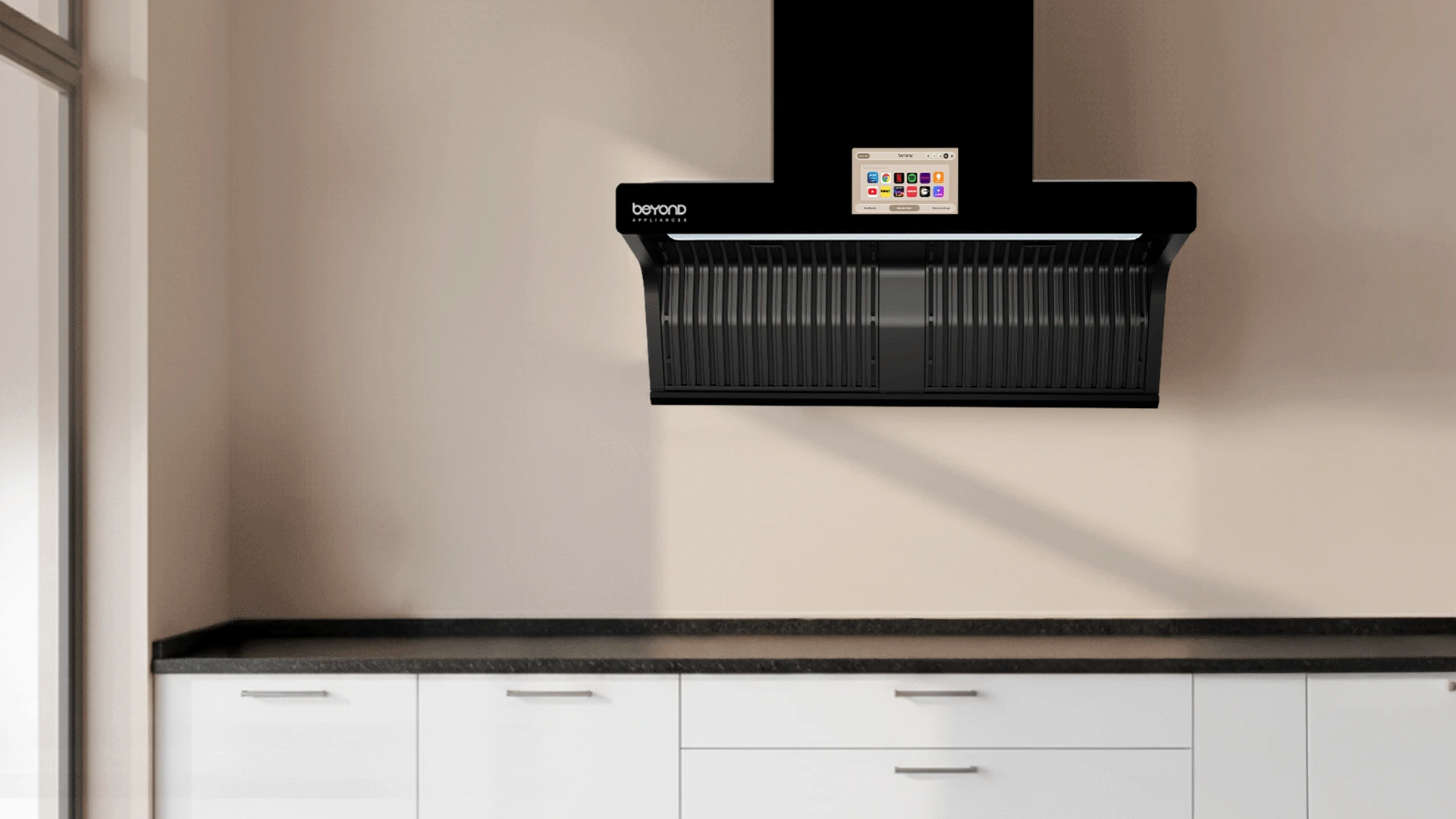
Modern kitchens demand smart solutions that make cooking more enjoyable and maintenance effortless. Auto clean chimney systems represent a breakthrough in kitchen ventilation technology, transforming how we maintain our cooking spaces. These innovative appliances use advanced heating mechanisms to automatically remove grease and oil buildup, eliminating the tedious manual scrubbing that traditional chimneys require. Understanding how auto clean chimney work helps homeowners make informed decisions about upgrading their kitchen ventilation systems. This comprehensive guide explores the science, benefits, and practical aspects of automatic chimney cleaning technology that's revolutionizing modern kitchens across India.
Auto clean chimney technology represents a significant advancement in kitchen ventilation systems. Unlike traditional chimneys that require manual cleaning with harsh chemicals and scrubbing, self cleaning chimney models use built-in heating elements to automatically dissolve accumulated grease and oil. The core principle behind how chimneys clean themselves involves heating the internal surfaces to temperatures between 200-250°C. This process melts stubborn grease deposits, allowing them to flow down into a removable collection tray. The entire system operates with minimal user intervention, requiring only the press of a button to activate the cleaning cycle.
Every chimney auto clean system contains several essential components that work together seamlessly. The heating element forms the heart of the system, generating controlled heat to melt grease deposits. Temperature sensors monitor the cleaning process, ensuring optimal performance while maintaining safety standards.
Traditional chimney cleaning methods involved dismantling filters, soaking them in detergent solutions, and scrubbing away grease buildup manually. This process was time-consuming, messy, and often incomplete. Chimney cleaning technology has evolved to address these challenges through automation and precision engineering.
Understanding the technical process reveals why efficient chimney cleaning through automation delivers superior results compared to manual methods. The system operates through a carefully orchestrated sequence of heating, melting, and collection phases. The cleaning cycle begins when users activate the auto clean function through a control panel or remote. Internal heating elements gradually increase temperature while safety sensors monitor the process continuously. This controlled heating ensures thorough cleaning without damaging internal components or compromising safety.
Modern smart chimney features make activation incredibly simple. Users press a dedicated auto clean button, and the system performs automatic safety checks before beginning the cleaning cycle. The chimney verifies proper oil collector placement and ensures adequate ventilation before proceeding.
The heating process reaches temperatures of 200-250°C, sufficient to melt even the most stubborn grease deposits. This temperature range is carefully calibrated to ensure effective cleaning while preventing damage to internal components. The heating elements distribute temperature evenly across all internal surfaces, ensuring comprehensive cleaning coverage.
As grease melts, gravity guides the liquefied oil downward into a removable collection tray. This tray captures all dissolved grease, preventing it from recirculating or creating additional buildup. The collection system is designed for easy removal and cleaning, making maintenance straightforward for users.
Different types of chimney cleaners employ varying approaches to automatic cleaning, each designed for specific kitchen requirements and cooking patterns. Understanding these variations helps consumers choose the most suitable system for their needs. Basic auto clean systems focus primarily on heat-based grease removal, while advanced models incorporate additional features like smart controls and maintenance reminders. Premium systems may include IoT connectivity, allowing users to monitor and control cleaning cycles remotely through smartphone applications.
Standard heat-based systems represent the most common type of automatic chimney cleaning technology. These systems rely on controlled heating to melt grease deposits, offering reliable performance at affordable price points. They typically complete cleaning cycles within 15-30 minutes, depending on grease accumulation levels.
Premium models incorporate smart chimney features that enhance user convenience and system performance. These may include programmable cleaning schedules, maintenance reminders, and diagnostic capabilities that alert users to potential issues before they become problematic.
The advantages of self cleaning chimney systems extend beyond mere convenience, offering tangible improvements in kitchen hygiene, appliance longevity, and overall cooking experience. These benefits justify the initial investment for most households. Auto clean technology eliminates the need for harsh chemical cleaners, creating a more environmentally friendly approach to chimney maintenance. The automated process also ensures more consistent cleaning results compared to manual methods, which may miss hard-to-reach areas or fail to remove all grease deposits.
Traditional chimney cleaning requires significant time investment, often taking several hours to complete properly. Efficient chimney cleaning through automation reduces this to a simple button press, freeing users to focus on other activities while the system works automatically.
Regular automatic cleaning maintains optimal suction power by preventing grease buildup that can obstruct airflow. This consistent performance extends motor life and reduces the likelihood of costly repairs or premature replacement.
While auto clean systems significantly reduce maintenance requirements, following proper chimney maintenance tips ensures long-term reliability and optimal performance. Regular attention to key components maximizes the benefits of automatic cleaning technology. Users should empty oil collection trays regularly, typically after every few cleaning cycles or when they reach capacity. Keeping these trays clean prevents overflow and maintains the system's effectiveness. Additionally, periodic inspection of heating elements and temperature sensors helps identify potential issues early.
Establishing a consistent auto clean schedule based on cooking frequency optimizes system performance. Heavy cooking households may benefit from weekly cleaning cycles, while lighter users might find bi-weekly cleaning sufficient.
Annual professional inspections ensure all components function correctly and identify any wear that might affect performance. Qualified technicians can perform deep cleaning of areas not reached by the auto clean function and verify proper operation of safety systems.
Use the auto clean feature weekly for heavy cooking or bi-weekly for moderate use. Frequency depends on cooking habits and grease accumulation levels.
While auto clean handles most grease removal, occasional manual cleaning of filters and external surfaces may still be necessary for optimal performance.
Auto clean cycles typically consume 200-300 watts during operation, similar to running a microwave oven for the same duration.
Most cleaning cycles complete within 15-30 minutes, depending on grease buildup and specific system design.
Modern systems include multiple safety features like temperature monitoring and automatic shutdown mechanisms to ensure safe operation.
Most systems include overflow protection and indicator lights that alert users when the collector needs emptying.
Auto clean chimney systems represent a significant advancement in kitchen technology, offering convenience and efficiency that traditional cleaning methods cannot match. The heat-based cleaning process effectively removes grease buildup while requiring minimal user intervention. Understanding how auto clean chimney work helps homeowners appreciate the technology's benefits and make informed purchasing decisions. While these systems require higher initial investment, the long-term benefits in time savings, improved performance, and reduced maintenance costs make them valuable additions to modern kitchens. Regular use of the auto clean function, combined with proper maintenance practices, ensures optimal performance and extends appliance lifespan.
