

How a Kitchen Stove Timer Works: A Simple Guide
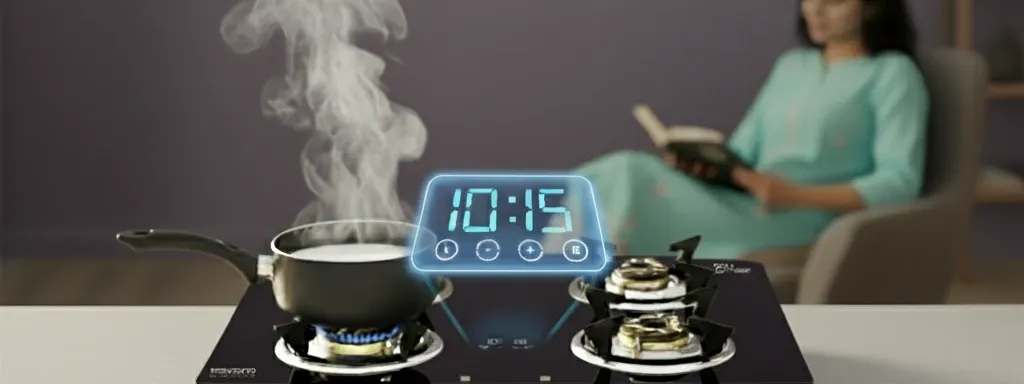
Kitchen timers are simple yet essential tools that help millions of home cooks prepare perfect meals every day. Whether you're boiling eggs, baking cookies, or managing multiple dishes on your cooktop, understanding how these clever devices work can make you a more efficient and confident cook. From the classic wind-up mechanical timers that have graced kitchens for decades to modern digital systems integrated into today's smart appliances, these timing mechanisms rely on fascinating principles of physics and engineering to keep your cooking on track.
A kitchen timer is a timing device designed to alert you when a specific cooking duration has elapsed. These kitchen gadgets serve as your reliable cooking companion, preventing overcooking, burning, and food safety issues that can occur when you lose track of time.
The primary benefits of using a cooking timer extend beyond simple convenience. Studies show that proper timing reduces cooking accidents by up to 40%, particularly preventing burns from overheated oils and forgotten pans. Timers also ensure consistent results, helping you achieve the perfect texture for pasta, the ideal doneness for meats, and precise baking times for delicate desserts.
Modern cooking appliances often feature integrated timing systems. Gas stoves, induction cooktops, and ovens frequently include built-in timers that can control multiple burners simultaneously. Standalone timers, however, offer portability and backup timing when your appliance timer isn't available.
Understanding different timer types helps you choose the right timing solution for your cooking style. Each type operates on distinct principles and offers unique advantages for various kitchen tasks.
The market offers several categories of timers, each designed for specific cooking needs and user preferences. From traditional mechanical designs to cutting-edge smart technology, these devices have evolved significantly over the decades.
Traditional spring-powered timers use stored mechanical energy to count down time. These reliable devices require no batteries or electricity, making them perfect for power outages or outdoor cooking. Most mechanical timers can be set for up to 60 minutes with reasonable accuracy.
Electronic timers offer precise timing with digital displays showing exact minutes and seconds. These devices often feature multiple timer functions, allowing you to track several cooking processes simultaneously. Many include memory functions to store frequently used cooking times.
Modern smart timers connect to smartphone apps and voice assistants, enabling remote monitoring and control. These advanced systems can send notifications to your phone and integrate with other smart kitchen appliances for coordinated cooking.
The inner workings of a mechanical timer reveal elegant engineering principles that have remained largely unchanged for over a century. These devices demonstrate how stored energy can be precisely controlled and released to measure time accurately.
Understanding the timer mechanism helps you appreciate the craftsmanship behind these simple yet sophisticated tools. Each component plays a crucial role in converting wound spring energy into measured time intervals.
When you wind a mechanical timer, you're storing potential energy in a coiled spring. This mainspring slowly releases its energy through a carefully designed gear system, providing the power needed to drive the timing mechanism for the entire countdown period.
A series of precisely machined gears reduces the spring's rapid energy release to a controlled, steady pace. Each gear in the train has a specific ratio that contributes to the overall timing accuracy, typically achieving precision within a few seconds over an hour.
The escapement acts as the timer's heartbeat, creating the characteristic ticking sound. This mechanism consists of an escape wheel, anchor, and balance wheel that work together to regulate energy release at exact intervals, ensuring consistent timekeeping throughout the countdown.
When the timer reaches zero, a release mechanism triggers the alarm bell. This system uses the timer's remaining spring energy to strike a metal bell or buzzer, creating the audible alert that signals your cooking time has elapsed.
Digital timers represent a significant advancement in timing technology, offering superior accuracy and additional features compared to their mechanical counterparts. These devices rely on electronic components and precise oscillation frequencies to track time with remarkable precision.
Modern stove timer systems integrate seamlessly with cooking appliances, providing enhanced safety features and cooking control options. Understanding how these systems work helps you maximize their potential for efficient cooking.
Digital timers use quartz crystals that vibrate at exactly 32,768 times per second when electricity passes through them. This consistent frequency serves as the timing reference, providing accuracy that far exceeds mechanical systems.
A small computer chip processes the crystal's oscillations and converts them into displayable time units. The microprocessor also handles user inputs, memory functions, and alarm triggers, enabling sophisticated timing features like multiple simultaneous countdowns.
LED or LCD displays show the remaining time in clear, easy-to-read formats. Alert systems range from simple beeps to complex notification patterns, with some models offering adjustable volume levels and different alarm tones for various cooking tasks.
Proper timer operation ensures accurate cooking results and maximizes the safety benefits these devices provide. Different timer types require specific setting procedures, but most follow similar basic principles.
Whether you're using a standalone cooking timer or an integrated oven timer, following the correct setup procedure ensures reliable operation and prevents timing errors that could affect your cooking results.
Turn the timer dial clockwise past your desired time, then rotate it counterclockwise to the exact duration needed. This winding process stores energy in the spring mechanism and sets the countdown starting point accurately.
Most digital timers use a combination of hour, minute, and start buttons. Press the time setting buttons to enter your desired duration, then press start to begin the countdown. Some models allow you to set multiple timers for different burners simultaneously.
Advanced cooktop systems let you assign different timers to individual burners or cooking zones. This feature proves invaluable when preparing complex meals that require precise timing coordination across multiple cooking processes.
Understanding optimal timing for various cooking techniques helps you achieve consistent, professional-quality results. Different foods and cooking methods require specific timing approaches to ensure food safety and optimal texture.
Professional chefs rely on precise timing to coordinate complex meals and maintain quality standards. Home cooks can apply these same principles to improve their cooking efficiency and results.
Soft-boiled eggs require exactly 3-4 minutes in boiling water, while hard-boiled eggs need 8-10 minutes. The traditional 3-minute egg timer became standard because this duration produces the perfect runny yolk with set whites that most people prefer.
Achieving al dente pasta requires precise timing based on the pasta type and thickness. Most dried pasta needs 8-12 minutes, while fresh pasta cooks in 2-4 minutes. Timer accuracy becomes crucial for preventing mushy or undercooked results.
Baking demands the most precise timing, as even a few extra minutes can mean the difference between perfectly golden and burnt results. Oven timer systems help coordinate multiple baking stages and prevent overcooking delicate items like cookies and pastries.
Mechanical timers use a wound spring that releases energy through a gear train and escapement mechanism, while digital timers rely on quartz crystal oscillations processed by a microchip to count down time accurately.
The 3-minute standard developed because this timing produces soft-boiled eggs with runny yolks and set whites, which became the preferred consistency for most egg dishes and breakfast preparations.
Most modern cooktops use similar button combinations for timer setting. Look for timer, clock, or duration buttons, then use plus/minus controls to set your desired time. Consult your appliance manual for brand-specific instructions.
Digital timers typically maintain accuracy within seconds over long periods, while mechanical timers may drift by 1-2 minutes per hour due to spring tension variations and gear wear.
Simple mechanical timer repairs like spring replacement or gear cleaning are possible, but complex escapement mechanism issues usually require professional repair or replacement due to the precision required.
Smart timers connect via WiFi or Bluetooth to send notifications to smartphones and can integrate with compatible appliances to automatically adjust cooking temperatures or shut off burners when timing completes.
Understanding how kitchen timer stove works empowers you to choose the right timing solution for your cooking needs and use it effectively. Whether you prefer the reliability of mechanical systems or the precision of digital technology, proper timer usage significantly improves cooking results and kitchen safety.
From the elegant spring mechanisms in traditional wind-up timers to the sophisticated microprocessors in smart devices, these tools represent centuries of engineering innovation focused on making cooking more precise and enjoyable. Investing in quality timing devices and understanding their operation will enhance your culinary skills and help you create consistently excellent meals for years to come.
